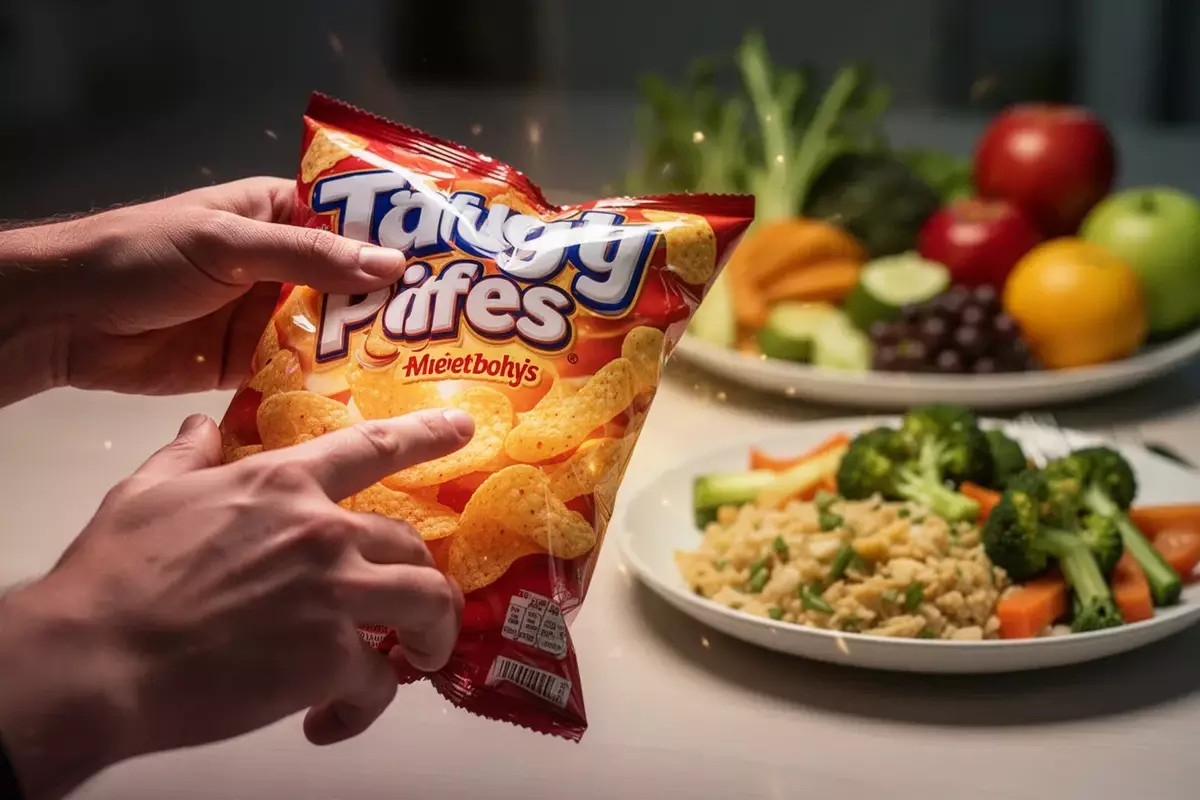
A new study has found that regularly consuming ultra-processed foods—such as ready-to-eat meals, packaged snacks, and sugary cereals—is associated with a 58% higher risk of developing dementia later in life, according to researchers analyzing dietary patterns and brain health.
The findings, published in a peer-reviewed journal, underscore the growing body of evidence linking diet to long-term cognitive decline, though experts emphasize that the study does not prove causation. The research tracked nearly 11,000 adults over a decade, comparing those who frequently ate ultra-processed foods with those who did not.
What the Study Found—and What It Doesn’t Prove
The study authors, who analyzed data from the U.S. National Institutes of Health, reported that participants whose diets were highest in ultra-processed foods—defined as items with five or more ingredients, including additives, preservatives, and refined sugars—had a significantly elevated risk of dementia compared to those whose diets were least processed. The association remained even after accounting for factors like age, education, smoking, and pre-existing health conditions.
However, the researchers stressed that correlation does not equal causation. “This is an observational study, so we can’t say for certain that ultra-processed foods cause dementia,” said one of the lead investigators. “But the strength of the association is striking and warrants further investigation.”
Why Ultra-Processed Foods May Pose a Risk
While the study does not pinpoint a single mechanism, experts point to several potential pathways. Ultra-processed foods often contain high levels of refined carbohydrates, trans fats, and artificial additives, all of which have been linked in prior research to inflammation, insulin resistance, and vascular damage—factors that may contribute to cognitive decline over time.
Dr. Emily Carter, a neuroscientist at the University of Toronto who was not involved in the study, noted that these foods also tend to displace whole, nutrient-rich foods like vegetables, nuts, and lean proteins, which are associated with better brain health. “The problem isn’t just the additives,” she said. “It’s the displacement of healthier foods and the lack of fiber, antioxidants, and healthy fats that support brain function.”
Who Is Most Affected—and What the Data Shows
The study’s participants included adults aged 45 and older, with an average follow-up period of 10 years. Those in the highest quintile of ultra-processed food consumption—roughly 20% of the study population—had a 58% increased risk of dementia compared to the lowest quintile. The risk was consistent across different types of dementia, including Alzheimer’s disease.
Key Findings:
- 58% higher dementia risk among those with the highest intake of ultra-processed foods.
- Risk persisted after adjusting for lifestyle factors like physical activity and smoking.
- No single food type was singled out, but common ultra-processed items included sugary cereals, frozen meals, and packaged snacks.
- The association was stronger in individuals with metabolic syndrome or type 2 diabetes.
Limitations: What the Study Doesn’t Answer
The researchers acknowledged several key limitations. First, the study relied on self-reported dietary data, which can be inaccurate. Second, it did not account for changes in diet over time—participants may have altered their eating habits after early signs of cognitive decline. Finally, the data did not distinguish between different types of ultra-processed foods, making it difficult to identify which specific ingredients or formulations might be most harmful.
“We need randomized controlled trials to better understand cause and effect,” said another study co-author. “For now, this is a strong signal that warrants public health attention.”
What Experts Recommend—Without Overstating the Evidence
Public health officials and nutritionists have long advised reducing ultra-processed foods in favor of whole, minimally processed foods. The new findings reinforce that guidance but do not justify drastic dietary changes without further confirmation. The World Health Organization and major health authorities continue to recommend:
- Limiting added sugars to less than 10% of daily calories.
- Choosing whole grains over refined grains.
- Increasing intake of fruits, vegetables, and lean proteins.
- Avoiding foods with long ingredient lists, especially those containing emulsifiers, artificial flavors, or hydrogenated oils.
Dr. Carter cautioned against panic: “This study adds to the evidence, but it’s not a reason to demonize certain foods. Small, incremental changes—like swapping a processed snack for an apple or nuts—can make a meaningful difference over time.”
What Happens Next: Research and Policy Directions
The study authors are now planning a follow-up investigation to explore whether reducing ultra-processed food intake can reverse or slow cognitive decline in at-risk populations. Meanwhile, public health agencies are reviewing the findings in light of ongoing nutrition guidelines, with some calling for clearer labeling of processed foods to help consumers make informed choices.
For now, the message remains consistent with existing dietary advice: balance is key. While ultra-processed foods may pose risks, occasional consumption is unlikely to cause harm. The focus should be on long-term patterns rather than occasional indulgences.
