
Teenager Dies of Rabies Despite Vaccination: A Critical Public Health Case
A tragic incident in a major urban center has sparked widespread concern after a young individual succumbed to rabies despite having received the standard vaccine following a dog bite. The case, which has drawn attention to the gaps in post-exposure care and vaccine protocols, underscores the complexities of preventing this deadly disease. This article delves into the circumstances surrounding the incident, examines the science behind rabies and vaccination, and highlights the broader implications for global public health strategies.
The Incident: What Happened?
The teenager, whose identity has not been disclosed, was reportedly bitten by an unidentified canine in a densely populated area. Initial reports indicate that the individual sought medical attention promptly and received the rabies vaccine as part of the standard post-bite protocol. However, despite this intervention, the disease progressed, leading to the adolescent’s untimely death. The timeline of events, though not fully detailed, raises critical questions about the effectiveness of the treatment and the steps taken after the initial injury.
Health officials have not yet released comprehensive details about the case, including the type of vaccine administered, the timing of the doses, or whether the individual completed the full course of treatment. These factors are crucial in understanding why a vaccinated person might still contract rabies, as the disease is almost always fatal once symptoms appear.
Understanding Rabies: A Lethal Threat
Rabies is a viral infection that affects the central nervous system, typically transmitted through the saliva of an infected animal, most commonly via bites. According to the World Health Organization (WHO), the disease is preventable through timely vaccination, yet it remains a significant public health challenge, particularly in regions with limited access to medical care.
The virus travels from the site of the bite to the brain, where it causes inflammation, leading to symptoms such as fever, confusion, hallucinations, and paralysis. Once these symptoms manifest, the disease is nearly always fatal. This is why post-exposure prophylaxis (PEP)—a series of vaccinations administered after a potential exposure—is considered the gold standard for prevention.
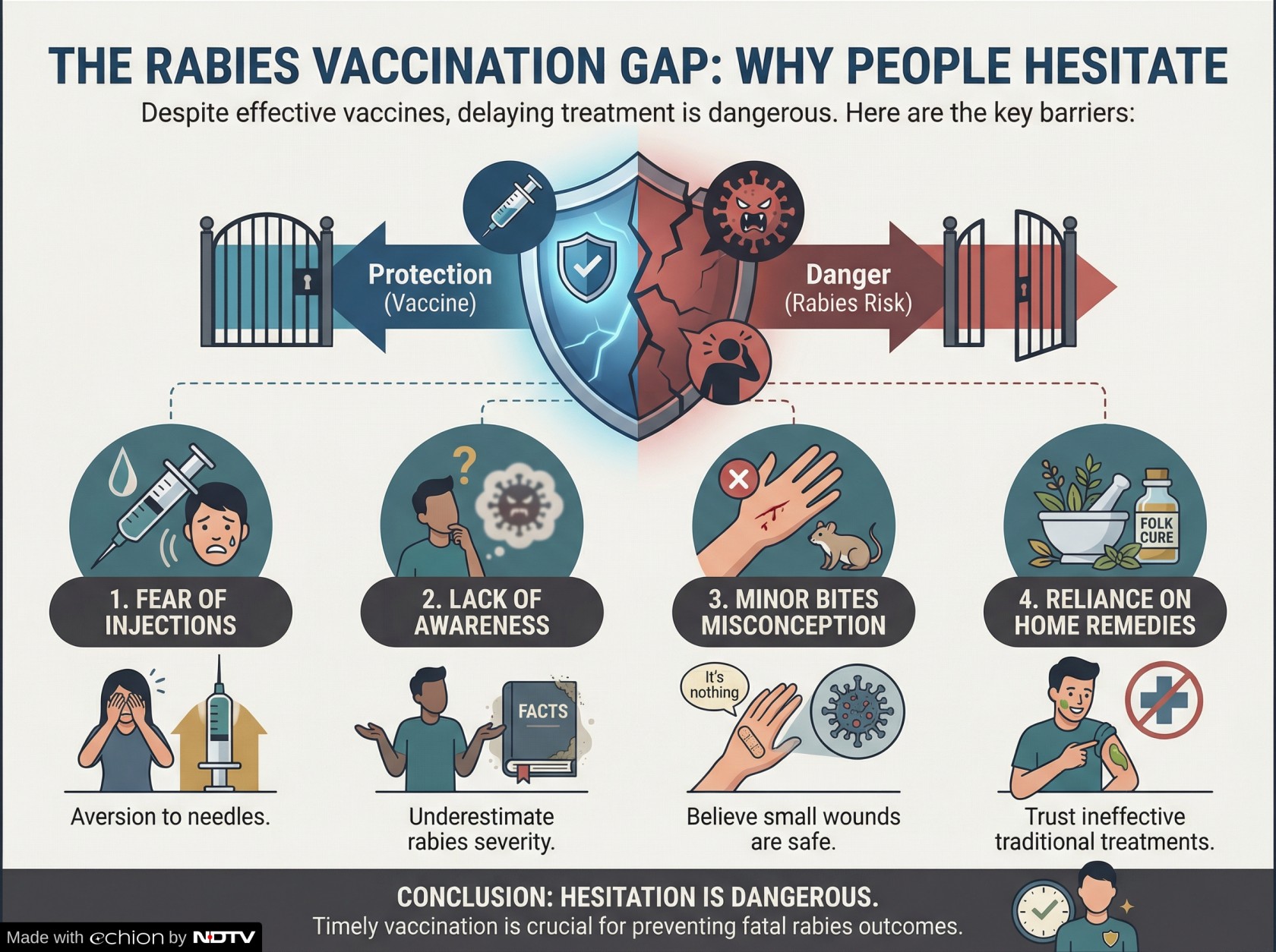
Despite the availability of effective vaccines, rabies claims approximately 59,000 lives annually, with the majority of cases occurring in Asia, and Africa. The situation is exacerbated by delays in seeking care, lack of awareness about the disease, and insufficient resources for PEP in low-income communities.
Why Did the Vaccine Fail?
The case has prompted urgent discussions about the circumstances under which a vaccinated individual could still contract rabies. While rare, such scenarios are not entirely unheard of and can stem from several factors:
- Incomplete Vaccination Course: The rabies vaccine requires multiple doses over a specific timeframe. If the individual did not complete all doses or received them at incorrect intervals, immunity may not have been fully established.
- Delayed Treatment: The effectiveness of PEP diminishes significantly if administered too late after exposure. The virus can take weeks or even months to reach the brain, but delays in starting treatment increase the risk of failure.
- Immune System Compromise: Individuals with weakened immune systems, such as those undergoing chemotherapy or living with HIV, may not respond adequately to the vaccine.
- Strain Variability: While rare, some rabies virus strains may exhibit resistance to standard vaccines, though this is more commonly associated with wildlife rather than domestic animals.
Experts emphasize that the most common cause of vaccine failure is the failure to follow the full vaccination protocol. “Rabies is a race against time,” said Dr. Amina Khoury, a virologist at the Global Health Institute. “If the doses are not administered correctly, the protection is compromised. This case serves as a stark reminder of the importance of adherence to medical guidelines.”
Public Health Implications and Systemic Challenges
This incident highlights broader systemic challenges in rabies prevention, particularly in regions where the disease remains prevalent. In many low-resource areas, access to PEP is limited, and misinformation about the disease can deter people from seeking care. The lack of dog vaccination programs and poor animal control measures contribute to the spread of rabies.

Experts warn that the case could have a ripple effect on public trust in vaccination programs. “When a vaccinated individual still dies, it can create confusion and fear,” noted Dr. Rajiv Mehta, a public health specialist. “It’s crucial to communicate the rarity of such events and the overall effectiveness of vaccines while addressing the specific factors that led to this case.”
In response to the incident, local health authorities have reportedly launched an investigation to determine the root causes and prevent similar occurrences. This includes reviewing the protocols followed in the case and assessing the availability of PEP in the region.
Global Lessons and Preventive Measures
The tragedy underscores the need for a multi-pronged approach to rabies prevention. Key strategies include:
- Expanding Access to PEP: Governments and NGOs must prioritize making post-exposure vaccines affordable and accessible, especially in rural and underserved areas.
- Public Awareness Campaigns: Educating communities about the importance of seeking immediate medical attention after animal bites can save lives.
- Strengthening Animal Vaccination Programs: Targeted initiatives to vaccinate stray and domestic dogs reduce the risk of human exposure.
- Improving Healthcare Infrastructure: Training medical professionals to recognize
