Pulmonary Cryptococcosis With Suspected Central Nervous System Involvement in a Patient With Sarcoidosis and CD4 Lymphopenia: A Case Report – Cureus
A patient with sarcoidosis developed pulmonary cryptococcosis and suspected central nervous system (CNS) involvement linked to CD4 lymphopenia, according to a clinical case report published in Cureus. The case highlights how sarcoidosis, and the immunosuppressive treatments used to manage it, can mirror HIV-like immune deficiencies, leaving patients vulnerable to opportunistic fungal infections.
What happened in this clinical case?
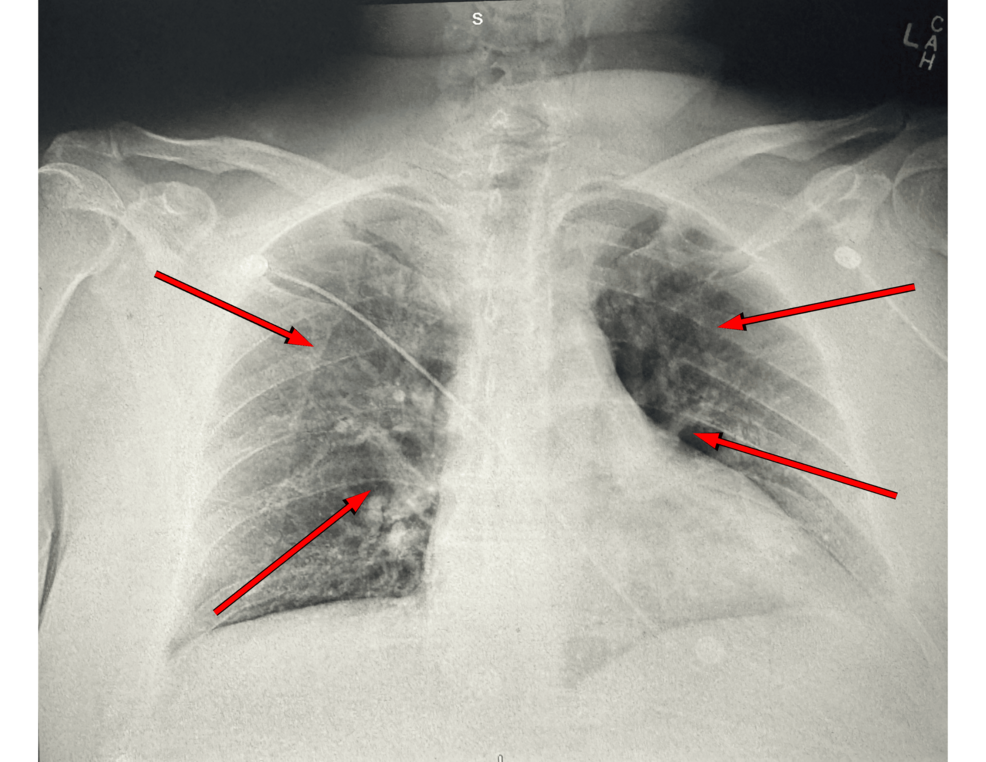
A patient diagnosed with sarcoidosis presented with respiratory distress and systemic symptoms that led to the discovery of pulmonary cryptococcosis. The medical team identified that the patient suffered from CD4 lymphopenia—a significant drop in the T-cells responsible for fighting off pathogens—which allowed the Cryptococcus fungus to invade the lungs. According to the report, the clinical picture became more complex when the medical team suspected the infection had disseminated to the central nervous system.
The diagnostic process involved a combination of high-resolution computed tomography (HRCT) scans, blood tests, and the detection of cryptococcal antigens. The report indicates that the patient’s underlying sarcoidosis played a dual role: the disease itself can cause immune dysfunction, and the corticosteroids typically used to treat the inflammation further suppress the body’s ability to clear fungal spores.
Key clinical milestones in the case included:
- Initial Presentation: Respiratory symptoms and abnormal imaging of the lungs.
- Immune Profiling: Discovery of low CD4 counts (lymphopenia) despite the absence of HIV.
- Pathogen Identification: Positive cryptococcal antigen (CrAg) tests confirming the presence of the fungus.
- Neurological Screening: Investigation into CNS involvement to determine if the fungus had crossed the blood-brain barrier.
Why does sarcoidosis lead to CD4 lymphopenia?
Sarcoidosis is a multisystem inflammatory disease characterized by the growth of granulomas—small clumps of inflammatory cells—in various organs, most commonly the lungs. While the disease is known for an overactive immune response in the lungs, it can paradoxically cause a systemic depletion of CD4+ T-lymphocytes. This condition is known as CD4 lymphopenia.
According to the data in the Cureus report, this immune deficiency creates a biological environment similar to that seen in advanced HIV/AIDS. When CD4 counts drop below critical thresholds, the body loses its primary defense against opportunistic infections. Cryptococcus neoformans and Cryptococcus gattii, the fungi responsible for cryptococcosis, are typically harmless to healthy individuals but become lethal in the presence of lymphopenia.
The risk is compounded by medical intervention. The standard of care for sarcoidosis involves corticosteroids like prednisone. These drugs reduce inflammation but also inhibit T-cell proliferation and function. The report suggests that the intersection of the disease’s natural progression and the pharmacological side effects of treatment creates a “perfect storm” for fungal opportunistic infections.
| Risk Factor | Mechanism of Action | Impact on Immunity |
|---|---|---|
| Sarcoidosis (Disease) | T-cell sequestration in granulomas | Lowered circulating CD4 cells |
| Corticosteroids | Inhibition of cytokine production | Suppressed T-cell activation |
| CD4 Lymphopenia | Lack of helper T-cells | Inability to clear fungal spores |
How is pulmonary cryptococcosis diagnosed in immunosuppressed patients?
Diagnosing cryptococcosis in a patient with sarcoidosis is challenging because both conditions can produce similar findings on imaging. Both can cause pulmonary nodules, hilar lymphadenopathy (swollen lymph nodes in the chest), and interstitial lung disease. According to the case report, clinicians must rely on specific biomarkers to distinguish between the two.
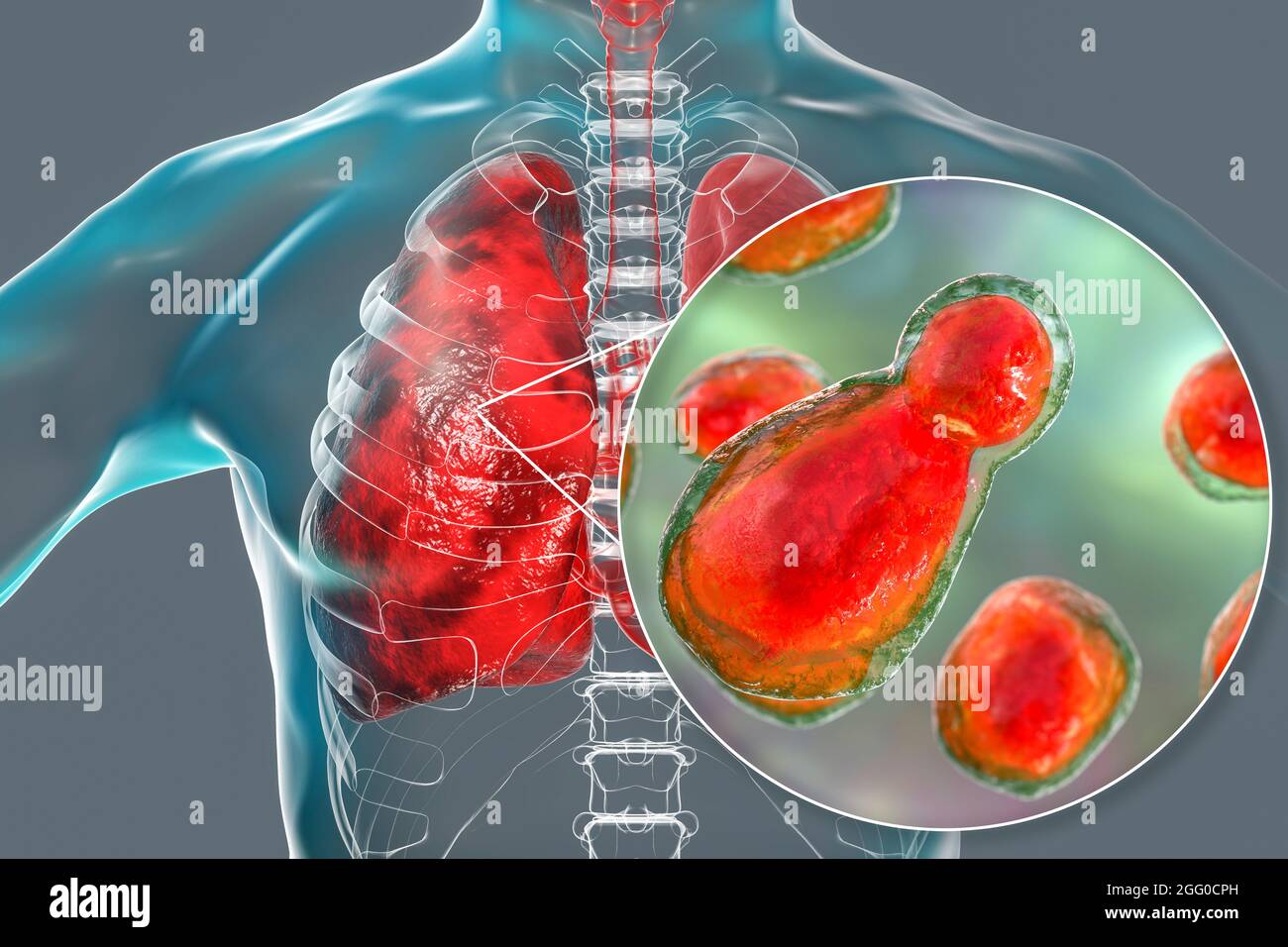
The most effective tool mentioned is the Cryptococcal Antigen (CrAg) test. This test detects the polysaccharide capsule of the fungus in the blood or cerebrospinal fluid (CSF). A positive CrAg test is highly specific for cryptococcosis and allows for rapid diagnosis before fungal cultures—which can take days or weeks—return a result.
The diagnostic sequence typically follows this path:
- Imaging: Chest CT scans reveal infiltrates or nodules.
- Serology: Blood tests for CrAg to identify the fungus systemically.
- Microbiology: Sputum cultures or bronchoalveolar lavage (BAL) to isolate the Cryptococcus species.
- Neurological Evaluation: Lumbar punctures to check for the fungus in the CSF if CNS involvement is suspected.
For those interested in more on how medications affect the immune system, a related explainer on immunosuppressant side effects provides broader context on drug-induced lymphopenia.
What are the dangers of suspected CNS involvement?
When Cryptococcus moves from the lungs to the brain, the condition evolves into cryptococcal meningitis, which carries a high mortality rate if untreated. The Cureus report emphasizes the importance of screening for CNS involvement even in patients who do not yet show classic neurological symptoms, such as severe headaches or neck stiffness.
The fungus enters the CNS via the bloodstream (hematogenous spread). Once it crosses the blood-brain barrier, it causes inflammation and increases intracranial pressure. In patients with CD4 lymphopenia, this spread is more likely because the “gatekeeper” cells that normally prevent pathogens from entering the brain are diminished.
“The suspected involvement of the central nervous system in patients with pulmonary cryptococcosis necessitates aggressive diagnostic screening, as the clinical manifestation of meningitis can be subtle in severely immunosuppressed individuals.”
The report notes that the presence of the fungus in the CSF is a critical marker for prognosis. Treatment for CNS involvement is significantly more intensive than for isolated pulmonary infection, requiring higher doses of antifungals and often the management of intracranial pressure through lumbar drains.
How is the infection treated in complex cases?
Treatment for pulmonary cryptococcosis with suspected CNS involvement follows a strict three-phase protocol designed to clear the fungus from the blood and the brain. According to clinical standards cited in the report, the goal is to achieve rapid sterilization of the CSF.
Induction Phase
The first phase involves high-potency antifungals. The gold standard is typically a combination of Amphotericin B and Flucytosine. Amphotericin B is a powerful agent that kills a wide range of fungi, while Flucytosine penetrates the CNS effectively. This phase lasts several weeks to reduce the fungal load rapidly.

Consolidation Phase
Once the initial infection is controlled, patients transition to Fluconazole. This medication is less toxic than Amphotericin B and is used to eliminate any remaining fungal elements. This phase typically lasts for several months.
Maintenance Phase
For patients with permanent or long-term immune deficiencies—such as those with chronic sarcoidosis or persistent CD4 lymphopenia—a long-term “suppressive” dose of Fluconazole is administered. This prevents the fungus from recurring, as the patient’s immune system may never fully recover to a level where it can keep the fungus in check on its own.
How does this case change the understanding of sarcoidosis?
The significance of “Pulmonary Cryptococcosis With Suspected Central Nervous System Involvement in a Patient With Sarcoidosis and CD4 Lymphopenia: A Case Report – Cureus” lies in its warning to clinicians about the “HIV-like” state that can occur in non-HIV patients. Historically, cryptococcosis was viewed almost exclusively as an AIDS-defining illness.
This case proves that sarcoidosis patients are a high-risk group. It suggests that monitoring CD4 counts should perhaps become a standard part of care for patients on long-term corticosteroid therapy for sarcoidosis. If a clinician knows a patient is lymphopenic, they can be more vigilant for opportunistic infections, leading to earlier diagnosis and better survival rates.

Furthermore, the case highlights a diagnostic trap: the “masking” effect. Because sarcoidosis and cryptococcosis both affect the lungs and lymph nodes, a doctor might mistakenly attribute a worsening lung scan to a “sarcoidosis flare” and increase the steroid dose. This action would inadvertently feed the fungal infection by further suppressing the immune system, potentially turning a treatable pulmonary infection into a fatal CNS infection.
For a deeper look at the primary disease mentioned, a deep dive into sarcoidosis symptoms can help distinguish between inflammatory and infectious presentations.
Common misconceptions about cryptococcosis and sarcoidosis
There are several widespread misunderstandings regarding these conditions that the clinical data helps clarify.
Misconception 1: Cryptococcosis only affects people with HIV.
While highly prevalent in HIV patients, this case demonstrates that any state of CD4 lymphopenia—whether caused by sarcoidosis, organ transplants, or certain cancers—can lead to the infection. The fungus targets the immune state, not a specific disease.
Misconception 2: Sarcoidosis is always an “overactive” immune system.
While sarcoidosis involves excessive inflammation in specific organs, it can lead to systemic immune failure. The redistribution of T-cells into granulomas effectively “robs” the rest of the body of its defenses, creating a state of systemic immunodeficiency.
Misconception 3: Lung nodules always mean cancer or inflammation.
In the context of an immunosuppressed patient, lung nodules must be treated as potential infections until proven otherwise. This case shows that fungal pathogens can mimic the radiographic appearance of both malignancies and inflammatory diseases like sarcoidosis.
Frequently Asked Questions
What is the difference between pulmonary cryptococcosis and cryptococcal meningitis?
Pulmonary cryptococcosis is a fungal infection limited to the lungs, usually causing cough and shortness of breath. Cryptococcal meningitis occurs when the fungus spreads from the lungs into the bloodstream and enters the brain, causing inflammation of the membranes surrounding the brain and spinal cord. The latter is significantly more dangerous and requires more aggressive treatment.

Can a person recover from CD4 lymphopenia caused by sarcoidosis?
Recovery depends on the cause of the lymphopenia. If the drop in CD4 cells was primarily caused by high-dose corticosteroids, tapering the medication under medical supervision may allow the counts to rise. However, if the lymphopenia is a result of the sarcoidosis disease process itself, the immune system may remain compromised for longer periods.
How is the Cryptococcal Antigen (CrAg) test performed?
The CrAg test can be performed using a blood sample (serum) or a sample of cerebrospinal fluid (CSF) obtained via a lumbar puncture. It is a rapid immunologic assay that looks for specific sugars found in the capsule of the Cryptococcus fungus. It is much faster than a culture, which requires growing the fungus in a lab.
Why is Amphotericin B used instead of standard antibiotics?
Antibiotics only kill bacteria; they have no effect on fungi. Cryptococcus is a yeast-like fungus. Amphotericin B is a potent antifungal medication that binds to ergosterol in the fungal cell membrane, creating pores that cause the cell to leak and die. It is used in severe cases because of its high efficacy in clearing the fungus from the CNS.
What are the early warning signs that a lung infection has spread to the brain?
Early signs of CNS dissemination include persistent headaches, confusion, irritability, nausea, or a stiff neck. However, in patients with severe CD4 lymphopenia, these “classic” symptoms may be absent or very mild, which is why doctors often perform a lumbar puncture based on blood test results alone.
