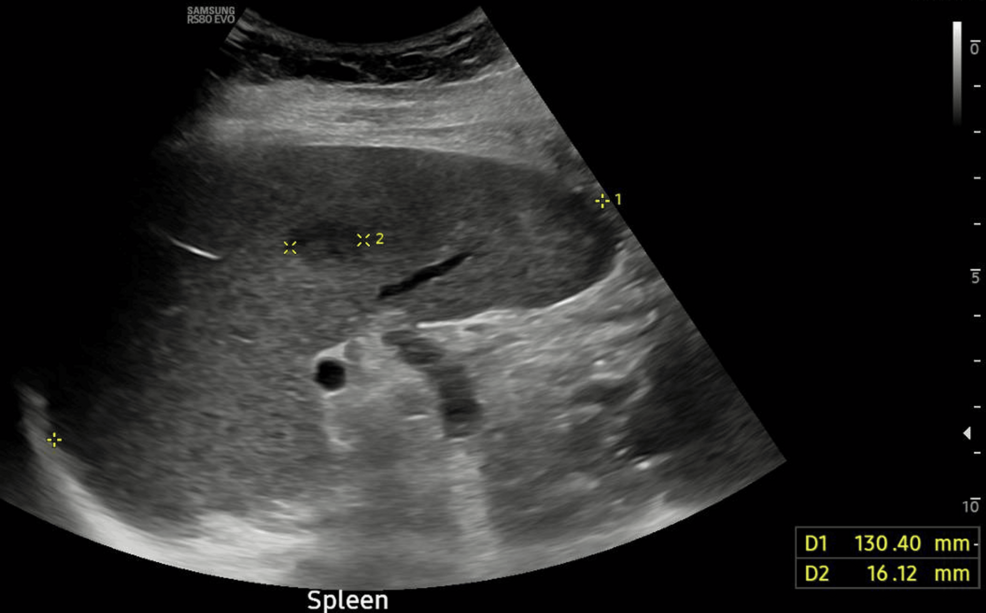
Rare Five-Pathogen Coinfection of Malaria, Parvovirus, Epstein-Barr Virus, Respiratory Syncytial Virus, and Lyme Disease in a Returning Traveller: A Case Report – Cureus
A returning traveler was diagnosed with a rare five-pathogen coinfection involving malaria, parvovirus, Epstein-Barr virus, respiratory syncytial virus, and Lyme disease, according to a case report published in Cureus. The case highlights the extreme diagnostic complexity of travel-related illnesses, where overlapping clinical symptoms can mask the presence of multiple concurrent infections.
How One Patient Contracted Five Simultaneous Infections
The case described in the Cureus report involves a patient who returned from international travel presenting with a constellation of systemic symptoms. While physicians often look for a single “smoking gun” when a patient presents with fever and malaise, this individual was battling five distinct biological threats: a protozoan parasite, two DNA viruses, one RNA virus, and a spirochete bacterium.
According to the report, the patient’s clinical picture was complicated by the fact that many of these diseases share a “flu-like” prodrome. Fever, muscle aches, and fatigue are hallmark signs of malaria, Lyme disease, and EBV. When these symptoms occur together, they create a diagnostic fog that can lead clinicians to stop searching once the first pathogen is identified—a phenomenon known as premature closure in medical diagnostics.
The identification of all five pathogens required a broad diagnostic net, including blood smears, serology, and molecular testing. The presence of malaria and Lyme disease indicates exposure to two different vectors—mosquitoes and ticks—while the viral load (RSV, EBV, and Parvovirus) suggests a combination of respiratory exposure and potential opportunistic reactivation of latent viruses due to the stress of the other infections.
Key vectors involved in this case:
- Anopheles Mosquitoes: Transmitted the malaria parasite.
- Ixodes Ticks: Transmitted the Borrelia burgdorferi bacterium (Lyme disease).
- Respiratory Droplets: The primary route for RSV and Parvovirus B19.
- Saliva/Blood: The primary route for the Epstein-Barr Virus.
Breaking Down the Five Pathogens: A Clinical Overview
To understand the severity of this coinfection, it is necessary to examine the individual nature of each pathogen identified in the Cureus case report. Each of these agents attacks the body through different mechanisms, creating a cumulative strain on the patient’s immune system.
Malaria (Plasmodium species)
Malaria is a life-threatening disease caused by Plasmodium parasites. It is transmitted through the bite of infected female Anopheles mosquitoes. Once in the bloodstream, the parasites travel to the liver and eventually infect red blood cells, causing them to rupture. This leads to the classic cycling fevers and chills associated with the disease. According to the report, managing malaria is often the highest priority due to its potential for rapid progression to organ failure.
Lyme Disease (Borrelia burgdorferi)
Lyme disease is a bacterial infection transmitted by black-legged ticks. It typically begins with a characteristic “bulls-eye” rash (erythema migrans), though not all patients develop this. If left untreated, the bacteria can migrate to the joints, heart, and nervous system. In a coinfection scenario, the inflammatory response triggered by Lyme disease can exacerbate the systemic fatigue caused by the other four pathogens.
Respiratory Syncytial Virus (RSV)
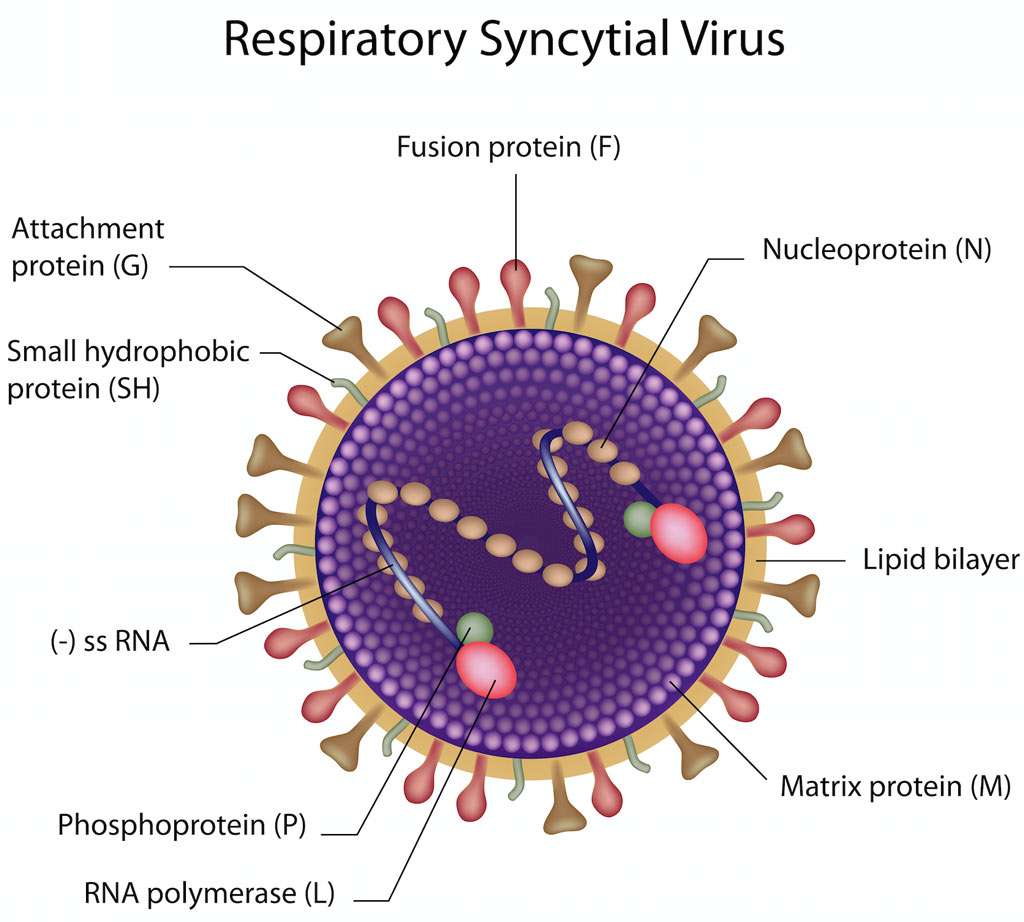
While often associated with infants, RSV can cause severe lower respiratory tract infections in adults, especially those with compromised immune systems. It targets the lining of the small airways in the lungs, causing inflammation and mucus buildup. In this patient, RSV added a respiratory layer to a predominantly systemic illness.
Parvovirus B19
Parvovirus B19 is the agent responsible for “Fifth Disease.” In adults, it often manifests as joint pain (arthropathy) and a characteristic rash. More critically, Parvovirus B19 targets erythroid progenitor cells in the bone marrow, which can temporarily stop the production of new red blood cells. This is particularly dangerous for a patient already suffering from malaria, which also destroys red blood cells.
Epstein-Barr Virus (EBV)
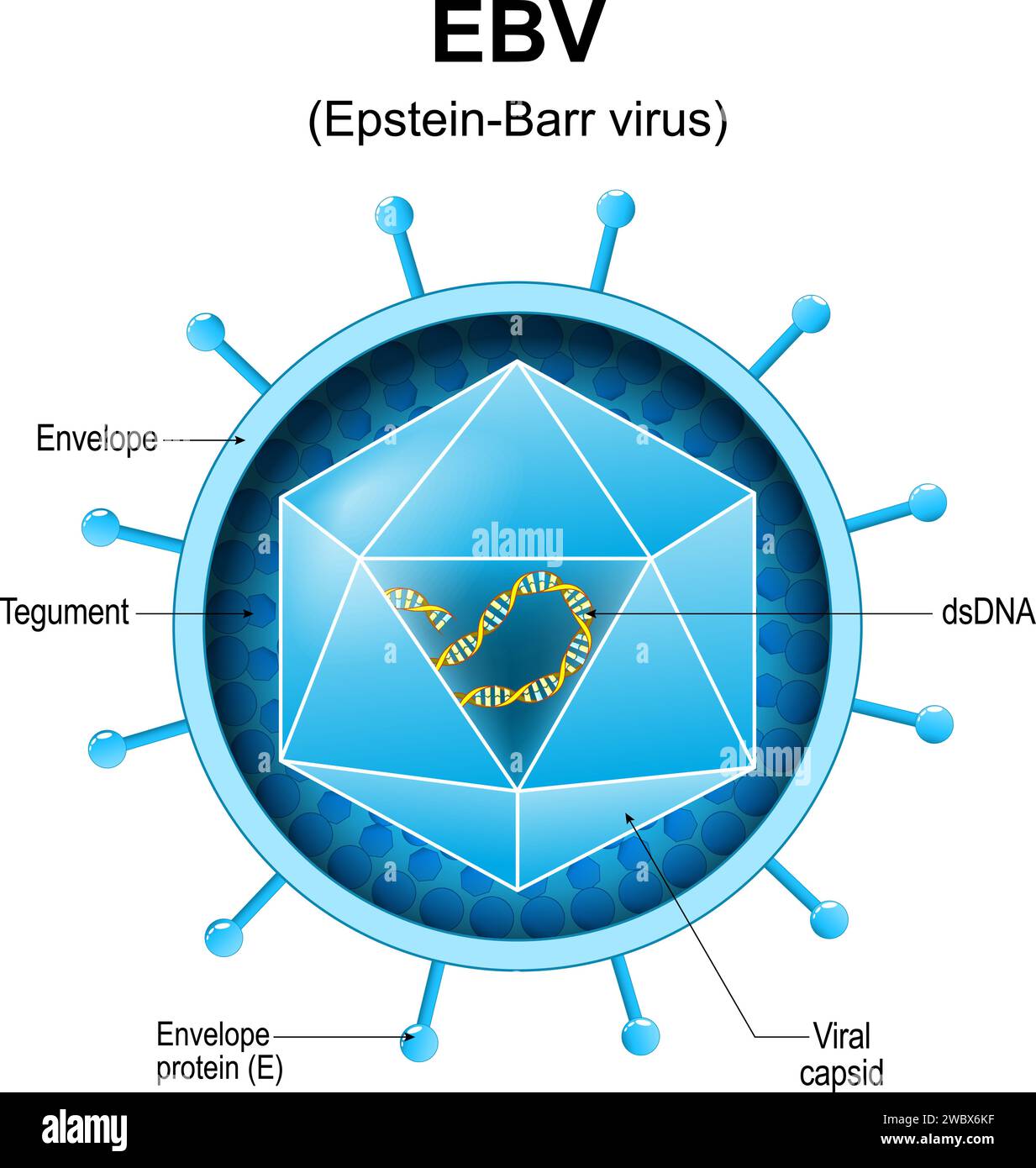
EBV is one of the most common human herpesviruses and is the primary cause of infectious mononucleosis. It remains latent in B lymphocytes for life. The Cureus report suggests that the immense physiological stress of battling malaria, Lyme, and RSV may have triggered a reactivation of EBV or a primary infection, leading to lymphadenopathy and profound exhaustion.
| Pathogen | Type | Primary Transmission | Key Target System |
|---|---|---|---|
| Malaria | Protozoa | Mosquito Bite | Blood/Liver |
| Lyme Disease | Bacteria | Tick Bite | Joints/Nervous System |
| RSV | RNA Virus | Respiratory Droplets | Lungs |
| Parvovirus B19 | DNA Virus | Respiratory/Blood | Bone Marrow/Joints |
| EBV | DNA Virus | Saliva/Blood | Lymphatic System |
The Diagnostic Challenge: Why Coinfections Go Unnoticed
The “Coinfection of Malaria, Parvovirus, Epstein-Barr Virus, Respiratory Syncytial Virus, and Lyme Disease in a Returning Traveller: A Case Report – Cureus” serves as a cautionary tale for the medical community regarding “diagnostic overshadowing.” This occurs when a prominent diagnosis (like malaria in a returning traveler) leads a clinician to overlook other concurrent conditions.
In this case, the symptoms of the five pathogens overlap significantly. Fever, myalgia (muscle pain), and arthralgia (joint pain) are common to all five. If a doctor finds malaria on a blood smear, they might assume the joint pain is a secondary effect of the malaria, missing the Lyme disease or Parvovirus B19. Similarly, a cough might be attributed to a general weakened state rather than a specific RSV infection.
The report emphasizes that a high index of suspicion is required for travelers. This means clinicians must consider the geography of the trip, the specific vectors present in those regions, and the possibility that a patient may have been exposed to multiple threats. The use of multiplex PCR panels and broad serological screening was essential in uncovering the full scope of this patient’s illness.
Related explainer on travel medicine diagnostics may provide further context on how physicians differentiate between tropical and temperate zone diseases.
Implications for Travel Medicine and Public Health
This case is an outlier in terms of the number of concurrent infections, but it highlights a growing trend in global health: the intersection of regional endemic diseases and global viral circulation. The patient was not just exposed to “tropical” diseases but also to viruses and bacteria common in temperate zones, suggesting a complex travel itinerary or exposure in diverse environments.
The “Immune Storm” Effect
When a body fights one infection, the immune system is heavily taxed. When fighting five, the risk of an inappropriate immune response—such as a cytokine storm—increases. The Cureus report notes the precarious balance required to treat these infections. For example, some antiviral or antibacterial treatments can put additional strain on the liver or kidneys, which may already be compromised by malaria.
The Danger of Bone Marrow Suppression
A critical intersection in this specific case is the effect on red blood cells. Malaria destroys mature red blood cells. Parvovirus B19 inhibits the production of new red blood cells in the bone marrow. Together, these two pathogens create a “double hit” to the patient’s hematological system, potentially leading to severe anemia far more quickly than either infection would cause on its own.

Common Misconceptions About Travel Illnesses
Many travelers and even some healthcare providers hold misconceptions that can delay diagnosis in complex cases. This case report corrects several of these notions:
- Misconception: “One set of symptoms equals one disease.” This case proves that a single clinical presentation (fever, fatigue, aches) can actually be the result of multiple, unrelated pathogens.
- Misconception: “You can’t have a ‘local’ disease and a ‘tropical’ disease at once.” Lyme disease is common in North America and Europe, while malaria is prevalent in tropical regions. A traveler moving between these zones can easily contract both.
- Misconception: “Viral infections are just background noise.” RSV and EBV are often dismissed as “common colds” or “mono,” but in the context of a severe parasitic infection like malaria, they can significantly complicate recovery and increase the risk of secondary complications.
Clinical Management of Multi-Pathogen Coinfections
Treating five infections simultaneously requires a tiered approach to prioritization. According to standard medical protocols for such cases, the most immediately life-threatening condition is treated first. In this instance, malaria takes precedence due to its ability to cause rapid cerebral or visceral failure.
Once the parasite is under control, the bacterial infection (Lyme disease) is typically addressed with targeted antibiotics. The viral components (RSV, EBV, Parvovirus) are often managed supportively, as there are few curative treatments for EBV or Parvo, and RSV management focuses on respiratory support. The challenge for the medical team is ensuring that the medications used to treat the malaria and Lyme disease do not interact poorly or further stress the patient’s organs.
The report suggests that the recovery process for such a patient is not linear. The “post-viral” fatigue from EBV and RSV, combined with the systemic exhaustion from malaria and Lyme, can lead to a prolonged convalescence period, often requiring multidisciplinary care involving infectious disease specialists and primary care physicians.
Frequently Asked Questions
How common is it to have five coinfections like this?
It is extremely rare. Most returning travelers may present with one or perhaps two coinfections (such as malaria and dengue). A five-pathogen coinfection is an exceptional case and is typically only documented in medical literature to alert other physicians to the possibility of complex presentations.
Can you get malaria and Lyme disease at the same time?
Yes, provided the traveler has visited regions where both the Anopheles mosquito and the Ixodes tick are present. This often happens when a traveler visits multiple countries or spends time in diverse ecological zones (e.g., a tropical forest and a temperate woodland) during a single trip.
Why would EBV and Parvovirus appear during a travel illness?
These can occur in two ways: the patient may have been newly exposed to them during their travels, or the severe stress of the other infections (like malaria) may have suppressed the immune system enough to allow a latent virus like EBV to reactivate.
What should travelers do to prevent these types of infections?
Prevention requires a multi-pronged approach: using insect repellent and bed nets for malaria, performing tick checks after hiking for Lyme disease, and maintaining up-to-date vaccinations for respiratory viruses. Consulting a travel clinic before departure is the most effective way to get region-specific prophylaxis.
Does having multiple infections make the treatment harder?
Yes. Coinfections complicate treatment because the symptoms overlap, making it hard to tell which drug is working for which disease. Additionally, the combined toxicity of multiple medications can put a higher strain on the liver and kidneys.
The case of the returning traveler detailed in the Cureus report serves as a critical reminder that in travel medicine, the simplest explanation is not always the correct one. When a patient presents with systemic illness after international travel, the possibility of multiple concurrent infections must remain a viable diagnostic consideration to ensure all pathogens are identified and treated.
