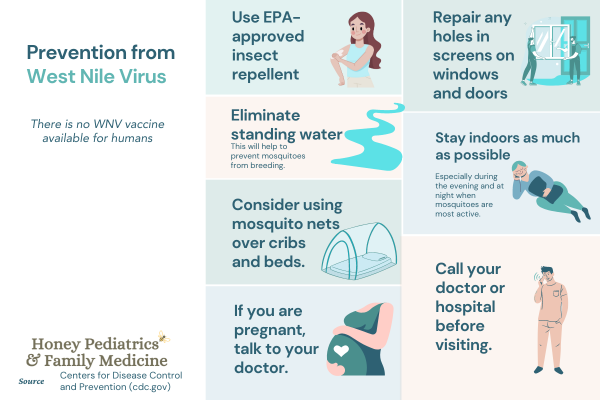
To prevent the transmission of the West Nile virus, the National Institute of Public Health (INSP) recommends a combination of insect repellents, protective clothing, and the removal of standing water to eliminate mosquito breeding sites. The agency states that avoiding mosquito bites is the primary method of protection against the virus, which is spread to humans via infected mosquitoes.
- Use repellents containing DEET, Picaridin, or IR3535.
- Wear light-colored, long-sleeved clothing and long pants.
- Eliminate standing water around residential areas.
- Install screens on windows and doors or use bed nets.
- Limit outdoor exposure during dawn and dusk.
Which repellents and clothing are effective?
Public health authorities specify that effective protection requires the use of insect repellents containing active ingredients such as DEET, Picaridin, or IR3535. According to the INSP, these chemical barriers reduce the likelihood of mosquito landings and bites.
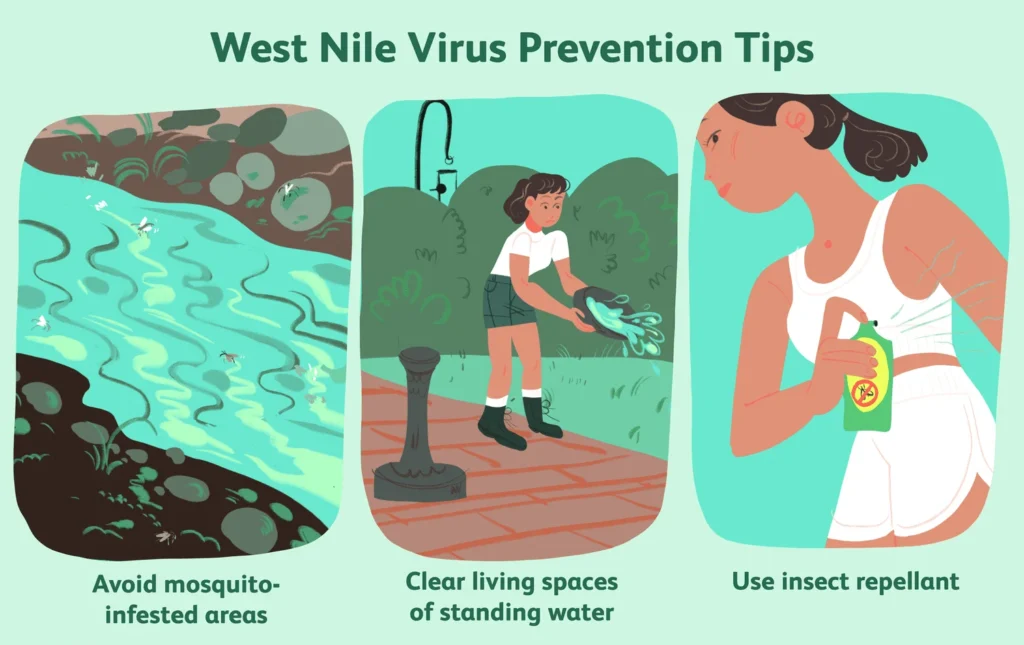
Physical barriers also serve as a primary defense. The agency recommends wearing long-sleeved shirts and long pants to minimize exposed skin. Health officials note that light-colored clothing is preferable, as mosquitoes are often more attracted to darker hues.
How can homeowners secure their environment?
The INSP emphasizes that modifying the home environment is critical to reducing the local mosquito population. Health officials recommend installing screens on all windows and doors to prevent insects from entering living spaces. For additional protection, the agency suggests the use of mosquito nets over beds.
Environmental management focuses heavily on the removal of water sources. According to the guidelines, removing or draining standing water—such as in buckets, old tires, or clogged gutters—is essential because these areas serve as primary breeding grounds for the mosquitoes that carry the West Nile virus.
When is the risk of infection highest?
The timing of outdoor activity significantly impacts the risk of exposure. The National Institute of Public Health advises limiting outdoor activities during dawn and dusk, which are the peak periods of mosquito activity. By avoiding these windows, individuals can lower their probability of encountering infected insects.
