
Public dissatisfaction has intensified in Togo following the adoption of a new constitution that transitions the country from a presidential to a parliamentary system, according to local media reports. Critics and opposition leaders argue the move allows President Faure Gnassingbé to maintain power indefinitely without facing direct popular elections.
- System Change: Transition from a presidential to a parliamentary republic.
- Key Figure: President Faure Gnassingbé, in power since 2005.
- Primary Grievance: Lack of inclusive national dialogue prior to the constitutional shift.
- Power Shift: The head of government is now appointed by the parliamentary majority.
How the New Parliamentary System Shifts Power
The constitutional amendment replaces the direct election of the president with a system where the President of the Council of Ministers serves as the head of government. According to local reports, this individual is appointed based on the majority in the National Assembly. This structure effectively removes the requirement for a national popular vote to determine the country’s leader.
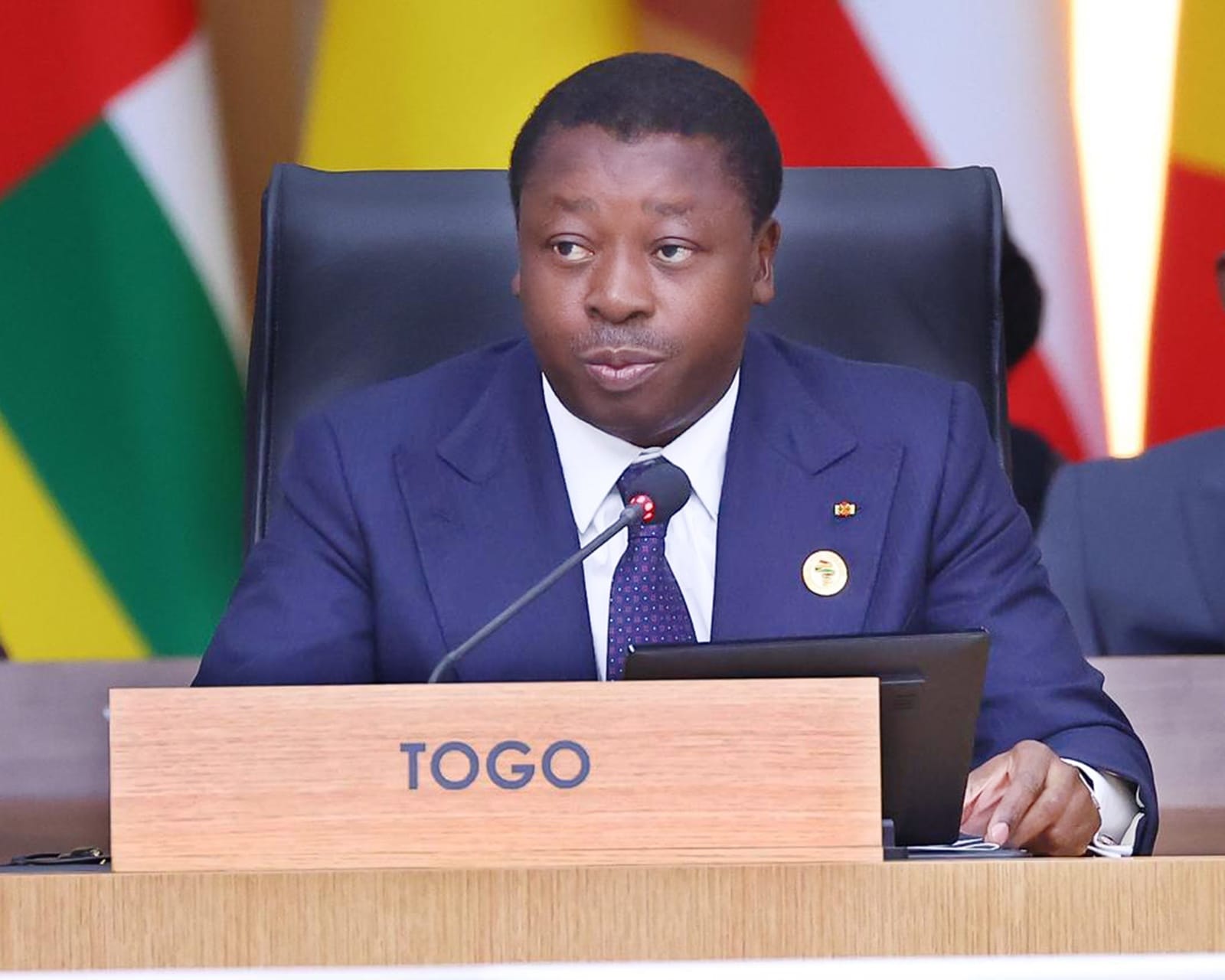
Government officials have defended the change as a necessary step toward political modernization and stability. However, observers note that the current ruling party’s control over the legislature ensures that the appointment process remains under the influence of the existing administration.
Why Opposition Groups Label the Change a “Constitutional Coup”
Opposition figures have characterized the legislative shift as a
“constitutional coup”
according to local media reports. They argue the move was designed specifically to bypass term limits and ensure Faure Gnassingbé can lead the country without the volatility of a general election.
The discontent is rooted in the perceived lack of transparency. Opposition leaders stated that the changes were pushed through without a genuine inclusive dialogue with all political factions, leaving a significant portion of the public feeling disenfranchised.
The Role of the Gnassingbé Dynasty
The current unrest is framed by the long-term political dominance of the Gnassingbé family in Togo. Faure Gnassingbé assumed the presidency in 2005 following the death of his father, Gnassingbé Eyadéma, who ruled the nation from 1967 until 2005.
The transition to a parliamentary system is viewed by critics as a continuation of this dynastic rule. By shifting the mechanism of power from the ballot box to the parliamentary majority, the administration secures a path to leadership that is insulated from direct public opposition.
