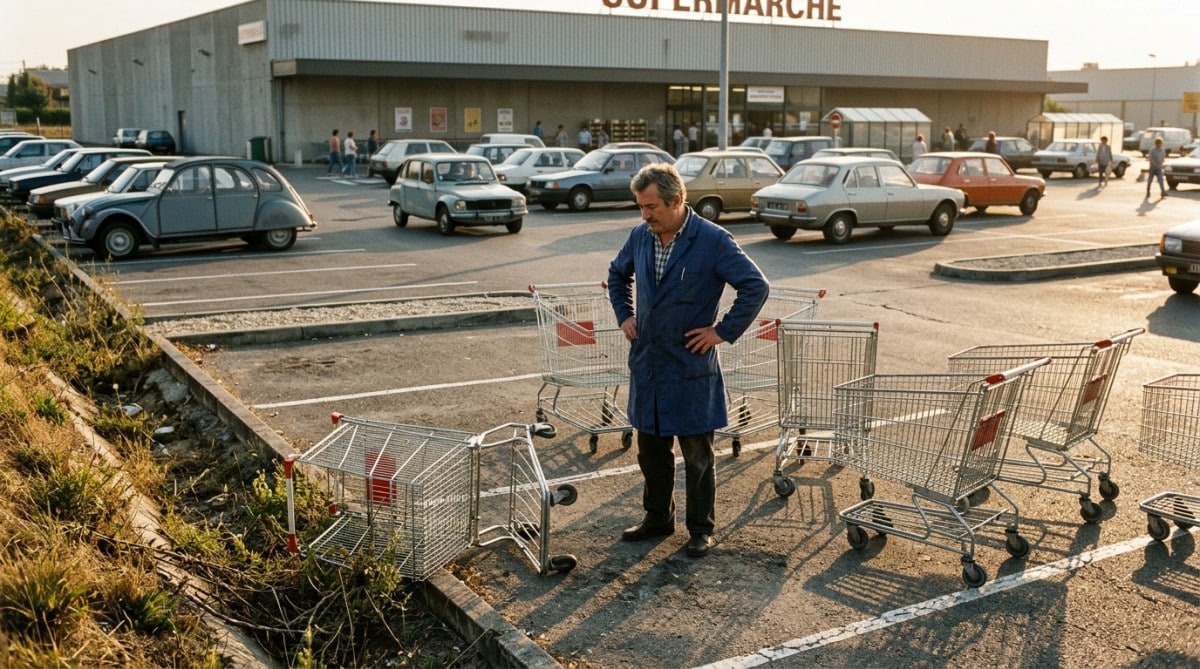
For decades, the shopping cart coin has been a small but persistent friction point for consumers, particularly across Europe. Now, the traditional mechanical lock system is facing obsolescence as retailers transition toward smarter, coin-free alternatives to streamline the shopping experience.
- Retailers are phasing out the traditional coin-operated lock system for shopping carts.
- The original purpose of the coin was a mechanical deterrent against theft and abandonment, not a rental fee.
- New technologies are replacing traditional trolleys to eliminate the need for physical tokens or currency.
The Logic of the Mechanical Deterrent
While many shoppers view the requirement of a coin or token as an unnecessary hurdle for a free service, the system was designed as a low-tech solution to a logistics problem. The coin serves as a deposit, creating a financial incentive for the user to return the cart to its designated bay rather than abandoning it in a parking lot.
This mechanical locking mechanism ensured that carts remained organized and reduced the labor costs associated with employees manually retrieving scattered trolleys from across a store’s perimeter. Because the coin is returned upon the cart’s release, the system functions as a behavioral nudge rather than a transaction.
Transitioning to Coin-Free Systems
The reliance on physical currency is becoming increasingly impractical as cashless payments become the norm. According to local media reports, the industry is shifting toward systems that remove the need for coins or tokens entirely. This transition is driven by a desire to reduce friction at the start of the customer journey and to modernize store operations.
The removal of these locks suggests a move toward more sophisticated tracking or retrieval methods. By eliminating the coin requirement, retailers can remove a primary barrier to entry for shoppers who may not carry spare change, potentially increasing the average basket size by making the start of the shopping trip more seamless.
The Evolution of the Shopping Trolley
Beyond simply removing the locks, the traditional supermarket trolley itself is undergoing a fundamental redesign. Reports indicate that standard carts are being phased out in favor of new replacements that integrate more technology into the hardware.
While the specific nature of these replacements varies, the trend points toward a broader integration of retail tech. The move away from the simple mechanical cart marks a shift toward a more digitized environment where the physical tools of shopping are redesigned to align with modern consumer behavior and operational efficiency.
