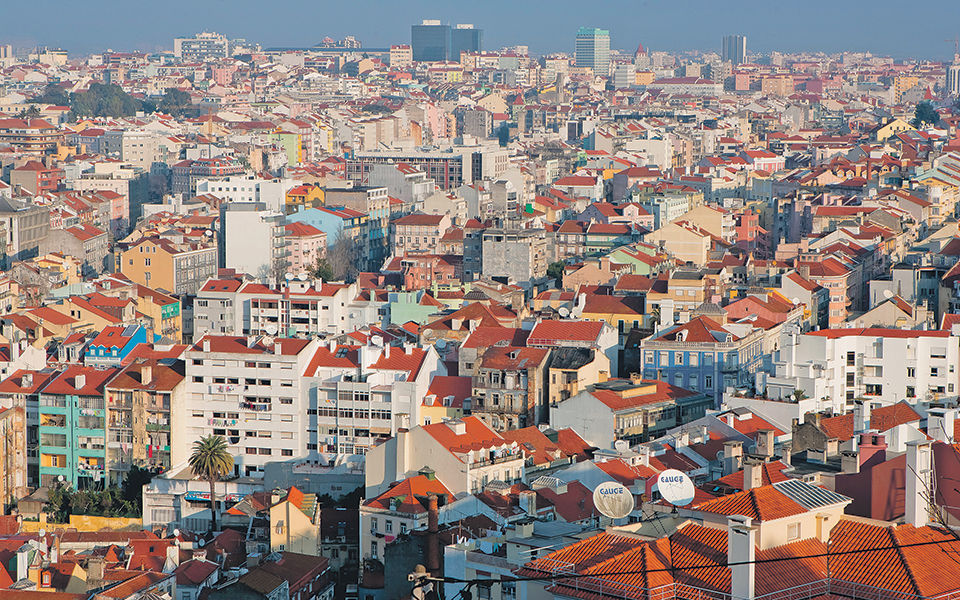
Portugal faces a housing deficit of 300,000 homes and a price surge that has seen costs double in over half of its municipalities within eight years, according to local media reports. While some analysis indicates a lack of clear signs of a speculative bubble, industry executives warn that stabilizing these price pressures remains a distant goal.
- Supply Gap: A deficit of 300,000 homes is currently impacting the market.
- Price Surge: More than 50% of municipalities experienced a 100% increase in home prices over the last eight years.
- Market Outlook: Real estate developers state price stabilization is not imminent.
- Mitigation: Social housing initiatives are credited with moderating rent demand.
Why are housing prices continuing to rise?
The primary driver of the current market volatility is a severe lack of inventory. According to local media reports, the housing deficit has reached 300,000 homes, creating a structural imbalance between supply and demand. This shortage has led to aggressive price appreciation across the country.
The scale of the increase is widespread. Reports indicate that in more than half of all Portuguese municipalities, home prices have doubled over an eight-year period. This trend suggests that price growth is not limited to major urban hubs but is a systemic issue affecting a majority of the country’s administrative regions.
Is the market currently in a speculative bubble?
Market analysts and industry leaders hold diverging views on the nature of the current price hikes. Some reports suggest there are no clear signs of a speculative bubble, implying that the price increases are driven by fundamental shortages rather than artificial investment inflation.

However, the leadership of real estate development firms remains cautious. Regarding the possibility of price stabilization, the CEO of a prominent developers’ association stated:
“There is still a long way to go before we reach that [stabilization].”
This suggests a disconnect between the absence of a “bubble” and the actual relief of price pressures for the average consumer.
How is social housing impacting the market?
Governmental and social housing interventions are acting as a counterbalance to private market volatility. According to local reports, the expansion of social housing has helped reduce the overall pressure on demand. This increase in affordable options has played a role in moderating rental prices, preventing further acceleration in some segments of the market.
