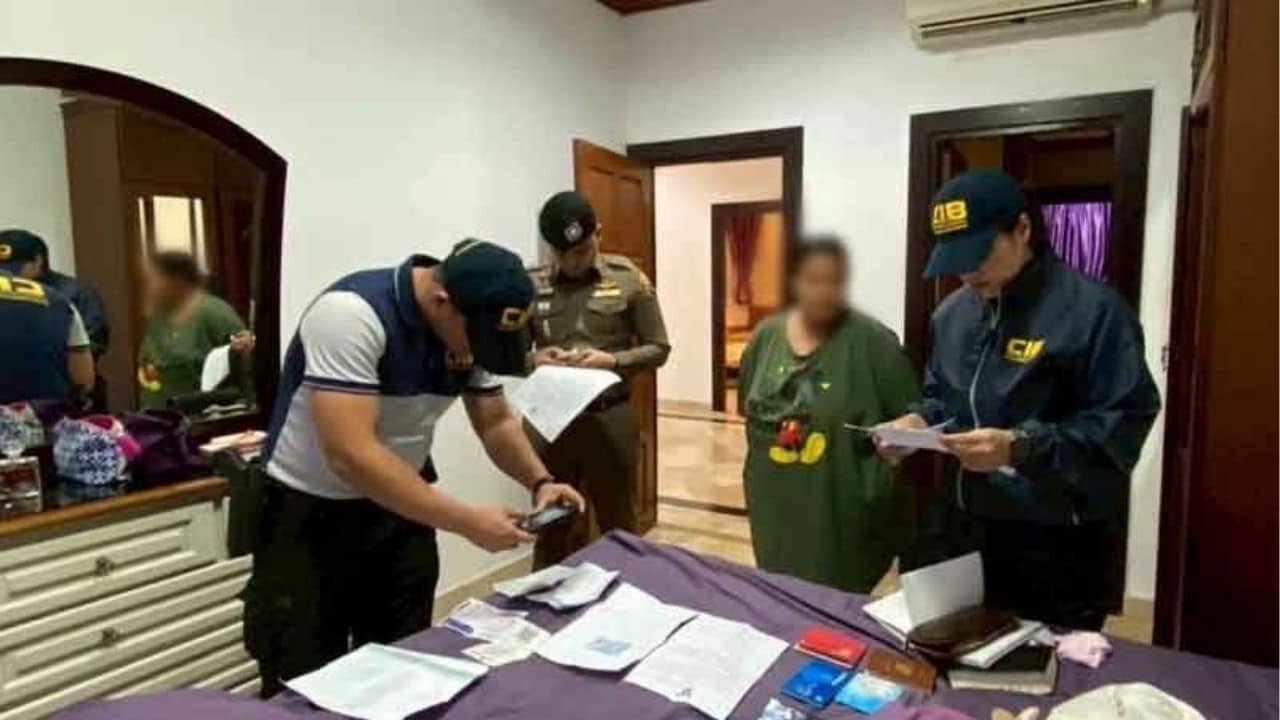
A criminal network in Brazil has been dismantled after allegedly exploiting public goodwill through a fabricated charity campaign for a child with a rare illness, diverting over R$250,000 in donations, according to law enforcement officials. The operation, spanning the states of Minas Gerais and Paraná, highlights the growing threat of digital fraud targeting vulnerable communities.
How the Scam Unfolded
The scheme centered on a 9-year-old boy diagnosed with a rare medical condition, whose plight was used to solicit donations online. Authorities allege that the perpetrators, including an undocumented immigrant, manipulated social media platforms to create a false narrative of urgency, luring donors into contributing funds under the pretense of aiding the child’s treatment. The campaign, which reportedly deceived thousands, was later exposed as a ruse by investigators.

The Police Civil of Minas Gerais and Paraná collaborated on the operation, leading to the arrest of multiple suspects. While the exact identities of the individuals remain undisclosed, officials confirmed that the group had accessed donation platforms and redirected funds to personal accounts. The stolen amount, equivalent to approximately $47,000, was reportedly used for unrelated expenses, according to preliminary findings.
Regional Implications and Public Response
The case has sparked outrage among local communities, many of whom had contributed to the campaign. Charitable organizations in Brazil have since issued warnings about verifying the legitimacy of online fundraising efforts, emphasizing the need for transparency in digital donations. The incident also raises broader concerns about the exploitation of humanitarian crises for financial gain, particularly in an era where social media amplifies such schemes rapidly.
Regional authorities have reiterated their commitment to combating fraud, with officials stating that the arrest marks a significant step in curbing cyber-enabled crime. However, experts note that the ease with which such campaigns can be orchestrated underscores the challenges of regulating online fundraising in real time.
What Comes Next
The arrested individuals are expected to face formal charges related to fraud and misuse of public trust. Investigations are ongoing to determine the full extent of the network’s activities and whether additional victims were affected. Meanwhile, lawmakers in Brazil have been urged to strengthen legislation governing digital charity platforms to prevent similar incidents in the future.
