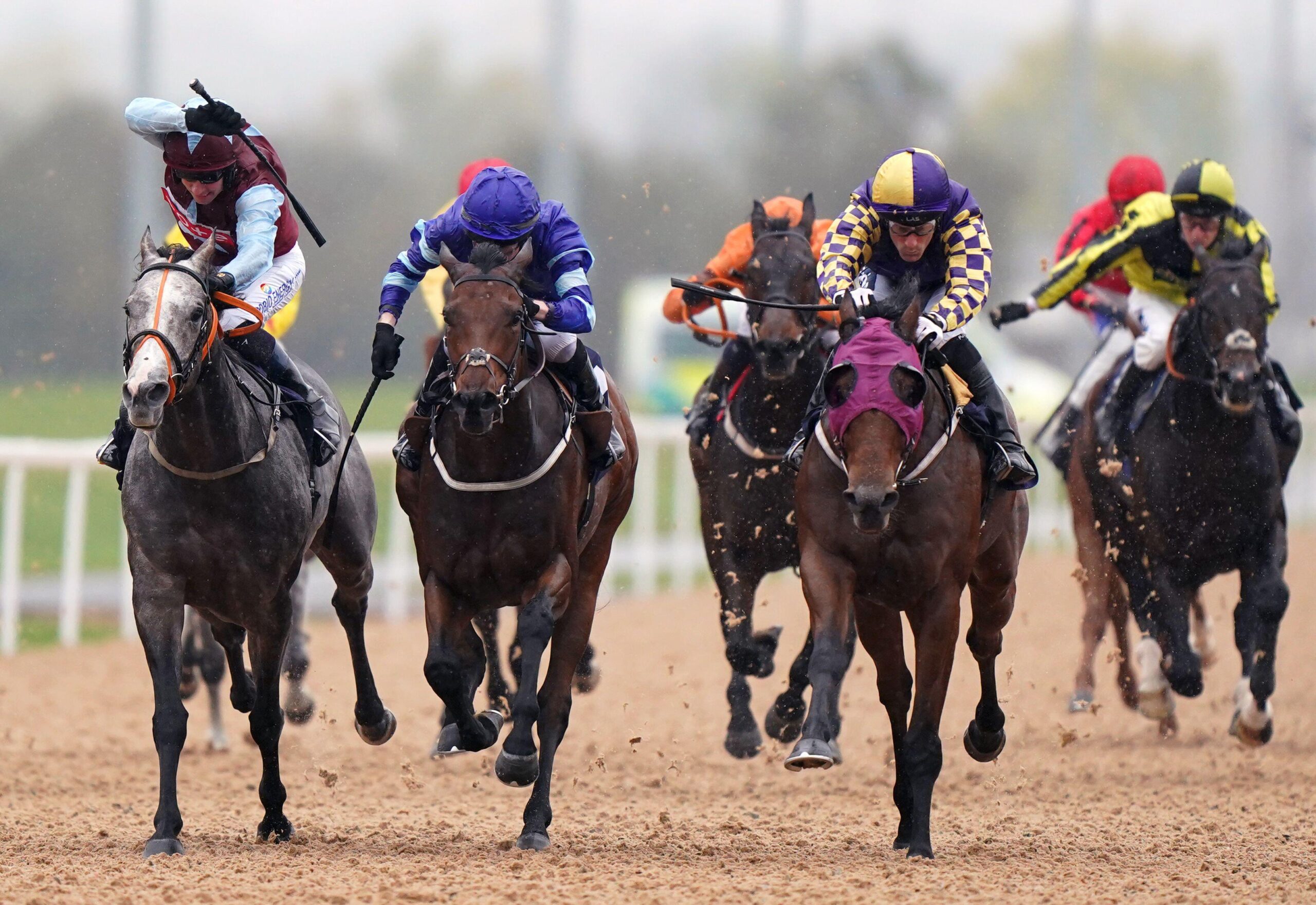
‘One-way traffic’ for handicapper in York betting – plus confirmations and entries for Royal Ascot on Friday are revealed – Racing Post
Betting markets for the York meeting are experiencing “one-way traffic” for a specific handicapper, while the official confirmations and entries for Friday’s Royal Ascot schedule have been released. These updates coincide with a surge of professional tipping activity for ITV Racing at York and Sandown, including high-odds selections and value-based strategies.
What is the “one-way traffic” trend in York betting?
In horse racing markets, “one-way traffic” occurs when a vast majority of bets are placed on a single runner, causing the odds to plummet rapidly. According to reports on the York betting markets, this phenomenon is currently affecting a specific handicapper, signaling strong market confidence or “smart money” moving toward one horse.
This market behavior often suggests that professional bettors or those with inside knowledge of a horse’s current form believe the starting price will be significantly lower than the current offering. When a market moves this decisively, it frequently forces bookmakers to slash prices to limit their liability.
The significance of this trend at York is heightened because the track is known for its fair, flat nature, where true form usually prevails. A strong betting plunge in a handicap—where horses carry different weights to equalize their chances—often indicates a horse is “well-handicapped,” meaning its official rating is lower than its actual ability.
- Market Signal: Rapid price drops indicate high volume on one selection.
- Handicap Dynamics: Betting surges often target horses perceived to be ahead of the handicapper’s rating.
- Bookmaker Reaction: Heavy one-way traffic leads to “crashing” odds and reduced value for late bettors.
Royal Ascot Friday: Confirmations and entries revealed
The official list of entries and confirmations for Friday’s races at Royal Ascot is now available. This stage of the process is critical for bettors and owners, as it separates the horses that are merely entered from those whose trainers have officially confirmed they will run.
Confirmations are the final hurdle before the final declarations. At a meeting as prestigious as Royal Ascot, the confirmation stage often reveals which high-profile stables are committing their top talent and which are opting for alternative routes due to ground conditions or fitness concerns.
Friday’s card typically features a mix of Group races and high-value handicaps. The revelation of entries allows analysts to assess the strength of the fields and identify potential “dark horses” who may have been kept under wraps by trainers until the final stages of the entry process.
| Stage | Meaning | Impact on Betting |
|---|---|---|
| Entries | Horses nominated for the race. | Initial market shaping; early pricing. |
| Confirmations | Trainers confirm intent to run. | Price volatility as non-runners are identified. |
| Declarations | Final list of starters. | Final odds set; definitive field size. |
Expert analysis for Saturday ITV Racing at York and Sandown
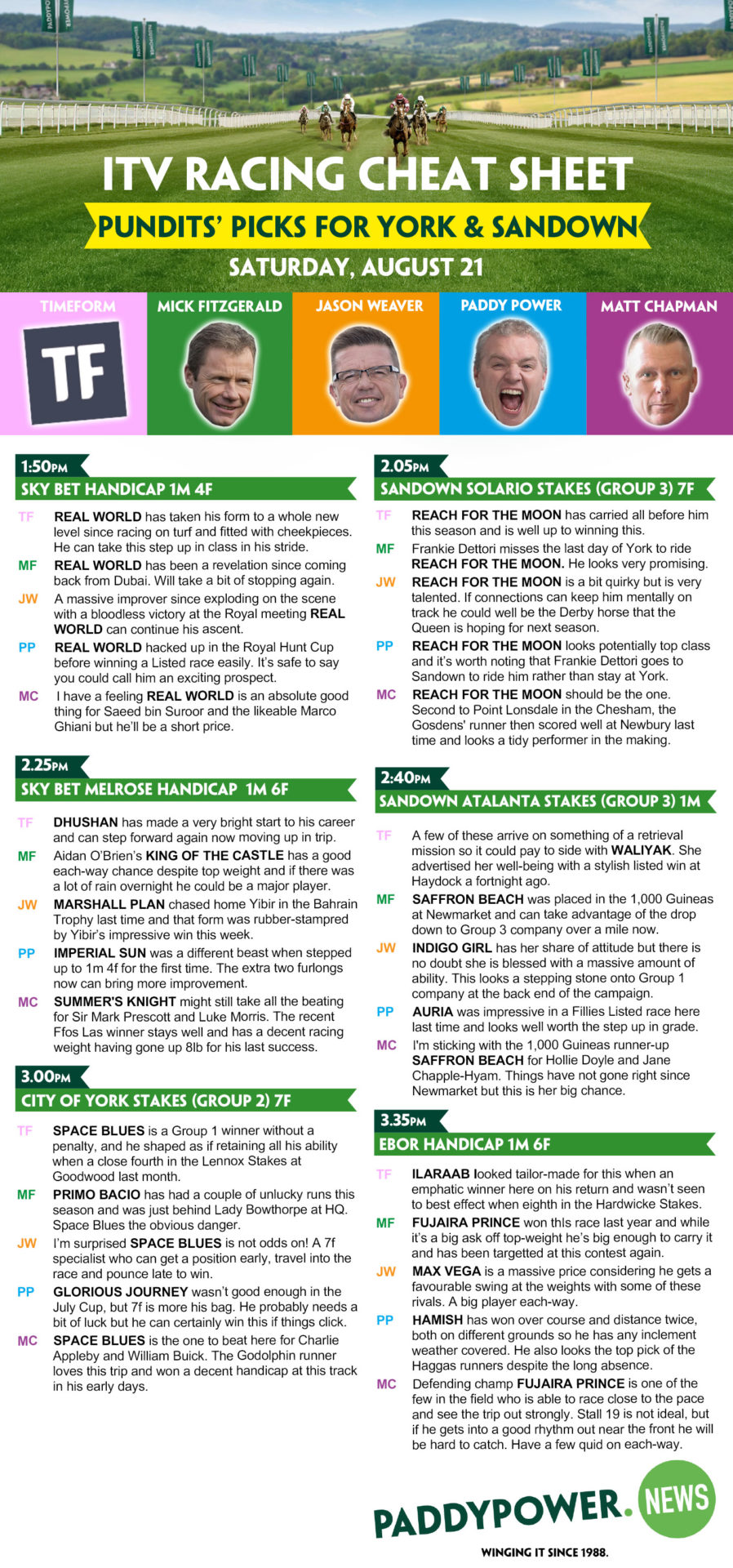
Professional tipsters have released their strategies for the upcoming ITV Racing fixtures at York and Sandown on June 13. These insights vary from conservative “best bets” to high-risk, high-reward long shots.
Best bet strategies for York
According to Dave Nevison, the focus at York remains on identifying horses with a proven track record on the flat, fast surface. Nevison has identified four “best bets” for the York card, emphasizing reliability and form over speculative value.
Value hunting at York and Sandown
Analysis from Sporting Life suggests a different approach, focusing on “best value bets” for both York and Sandown. Value betting involves identifying horses whose probability of winning is higher than the odds suggested by the bookmakers. This strategy is particularly prevalent in the Sandown fixtures, where the undulating track can often lead to overlooked runners.
The 40/1 long-shot angle
Katie Midwinter has highlighted a more aggressive play, identifying a 40/1 fancy at York. Such high-odds selections are typically based on “hidden” form—perhaps a horse that performed poorly in a previous race due to circumstances (like bad luck in running) but possesses the raw ability to win under the right conditions.
ITV Picks and market trends
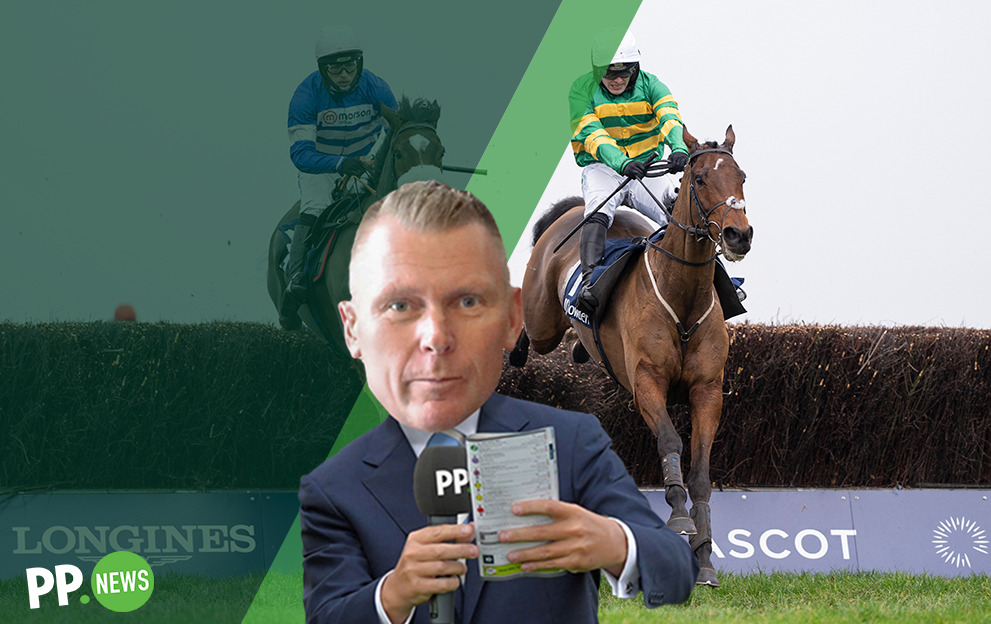
Matt Chapman has also provided selections for the Saturday ITV picks, focusing on the intersection of horse form and market movement. Chapman’s approach often aligns with the “one-way traffic” mentioned in the York markets, looking for horses that have the backing of the betting public.
“Identifying a 40/1 winner requires looking past the recent form guide and analyzing the specific conditions of the race, such as ground softness and distance suitability.”
Why the York and Royal Ascot overlap matters for bettors
The simultaneous occurrence of high-profile betting at York and the lead-up to Royal Ascot creates a unique environment for the racing industry. This period represents the peak of the flat racing season in the UK, concentrating a massive amount of liquidity and attention on a few specific events.
Liquidity and market volatility
When major events like Royal Ascot and the York meeting overlap, betting volumes spike. This increased liquidity can make markets more efficient, but it also leads to the “one-way traffic” seen at York. Large sums of money moving on a single horse can shift the price more dramatically than in a standard weekly race.
The “Ascot Effect” on York
Often, horses that are not quite strong enough for the elite Group races at Royal Ascot are diverted to high-value handicaps at York. This means the York card can benefit from “Ascot-class” horses running in lower-grade races, creating significant betting opportunities for those who can spot the class drop.
For more information on how to analyze horse ratings, see a related explainer on handicapping basics.
Common misconceptions about betting “plunges”
The “one-way traffic” described in the York betting markets is often referred to as a “plunge.” There are several common misconceptions about these events:
- Misconception: A plunge always means the horse will win. While a plunge indicates confidence, it does not guarantee a result. Sometimes, a plunge is driven by “herd mentality” on social media rather than inside information.
- Misconception: You should always bet on a horse whose price is crashing. By the time a bettor notices “one-way traffic,” the value is often gone. The profit is made by those who bet before the market reacted.
- Misconception: Only “insiders” cause market moves. Large-scale movements can be caused by a few high-net-worth gamblers or a consensus among professional syndicates using algorithmic modeling.
Evaluating the risk of high-odds fancies
The 40/1 selection mentioned by Katie Midwinter represents a specific type of betting strategy: the “speculative play.” While the probability of winning is low, the risk-to-reward ratio is high.
Professional analysts look for specific triggers to justify a 40/1 bet, such as:
- Change of Headgear: Adding blinkers or a tongue-tie can fundamentally change a horse’s performance.
- Distance Shift: A horse that struggled at 5 furlongs may be a powerhouse at 7 furlongs.
- Surface Change: Moving from a soft track to the fast ground typical of York.
- Trainer Pattern: Some trainers are known for bringing horses to the track “unfit” for their first run, only to win the second.
The role of ITV Racing in shaping public opinion
The designation of “ITV Racing” for the York and Sandown meetings increases the visibility of these races. Television coverage brings in a broader demographic of bettors, which can further influence market movements.
When analysts like Matt Chapman or Dave Nevison provide tips on a televised platform, it can trigger a secondary wave of betting. This “public money” often follows the “smart money,” further accelerating the one-way traffic trend. This creates a feedback loop where the price continues to drop simply because the horse is being widely discussed.
For those tracking the Royal Ascot entries, the television coverage provides a platform for trainers to give hints about their horses’ readiness, which directly impacts the confirmation lists and subsequent betting prices.
Summary of key betting angles for the weekend
To synthesize the current landscape, bettors are facing three distinct opportunities based on the reported data:
- The Momentum Play: Following the “one-way traffic” at York, betting on horses with strong market support.
- The Value Play: Utilizing the Sporting Life approach to find horses at Sandown and York whose odds are higher than their actual chance of winning.
- The Long-Shot Play: Targeting 40/1 outsiders who fit a specific profile of improvement or condition change.
Simultaneously, the Royal Ascot confirmations provide a roadmap for the coming Friday, allowing bettors to lock in prices before the final declarations cause further volatility.
For further reading on the impact of track conditions on performance, check out a related explainer on going and ground.
Frequently Asked Questions
What does “one-way traffic” mean in horse racing betting?
One-way traffic refers to a market where an overwhelming majority of bets are placed on a single horse. This causes the horse’s odds to drop significantly and quickly, indicating strong confidence from bettors.
Why are Royal Ascot confirmations important?
Confirmations are the official signal from a trainer that a horse will actually run in the race. This is crucial for bettors because it removes “phantom” entries and provides a clear picture of the actual competition.
How do “value bets” differ from “best bets”?
A “best bet” is a selection the tipster believes is most likely to win. A “value bet” is a selection where the potential payout (the odds) is higher than the statistical probability of the horse winning, offering a better long-term return on investment.
Is it a good idea to bet on a 40/1 horse?
Betting on long shots is high-risk. It is generally recommended only as a small part of a betting portfolio, based on specific evidence of improvement or a change in race conditions that the general market has overlooked.
How does the York track influence betting patterns?
York is a flat, fair, left-handed track. Because it lacks the extreme undulations of tracks like Epsom, form is generally more reliable, which is why “one-way traffic” based on strong form is often taken very seriously by the betting public.
