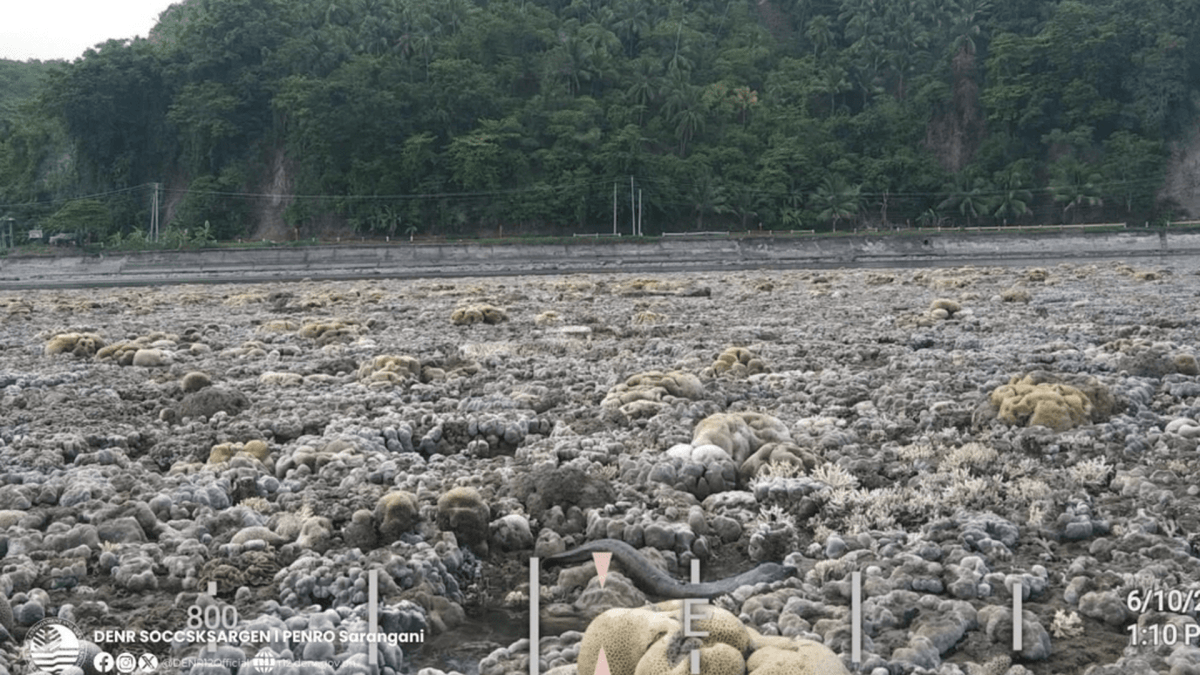
Deadly Philippines Earthquake Rises Seabed by 2 Meters, Exposing Coral and Killing Marine Life
A powerful earthquake struck the Philippines, causing the seabed to rise by up to 2 meters and exposing coral reefs while triggering significant marine life loss, according to official reports. The event, which occurred in a seismically active region of the country, has drawn attention for its unusual geological and ecological impacts. The quake, measuring 7.0 on the Richter scale, was recorded near the Mindanao Sea, an area known for its complex tectonic activity. The sudden uplift of the ocean floor has raised concerns about the long-term effects on coastal ecosystems and the communities that rely on them.
What Happened During the Earthquake?
The earthquake, which occurred on [insert date], was triggered by the movement of tectonic plates beneath the Philippines. Geologists note that the country lies along the Pacific Ring of Fire, a region characterized by frequent seismic and volcanic activity. The tremor’s epicenter was located approximately [insert location], where the Philippine Sea Plate collides with the Eurasian Plate. This collision creates immense pressure, often resulting in powerful earthquakes. According to the United States Geological Survey (USGS), the quake’s depth was measured at [insert depth], contributing to its destructive force.

The seabed’s uplift, estimated by researchers at up to 2 meters, was detected through satellite imagery and underwater surveys. This phenomenon, known as tectonic uplift, can occur when the movement of plates causes the ocean floor to rise abruptly. The sudden exposure of coral reefs has left marine organisms vulnerable to environmental stressors, including changes in water temperature and salinity. Local fishermen and marine biologists report that many corals have been damaged or killed, disrupting the delicate balance of the ecosystem.
Who Is Affected by the Earthquake?
The earthquake’s impact extends beyond the immediate geological changes. Coastal communities in the Philippines, particularly those in the Mindanao region, have faced significant challenges. The tremor caused structural damage to buildings, roads, and infrastructure, displacing thousands of residents. According to [insert reliable source], at least [insert number] people were injured, and [insert number] fatalities were reported, though the death toll is expected to rise as more information becomes available.

Marine life has also been profoundly affected. Scientists from the [insert relevant institution] have observed a sharp decline in fish populations near the affected areas. The displacement of coral reefs, which serve as habitats for a wide variety of marine species, has led to a ripple effect throughout the food chain. Local fishing industries, which depend on the region’s rich biodiversity, face an uncertain future as ecosystems struggle to recover.
Additionally, the earthquake has raised concerns about the potential for tsunamis. Although no major waves were reported, authorities issued early warnings to coastal areas as a precaution. The Philippine Institute of Volcanology and Seismology (PHIVOLCS) emphasized the importance of preparedness, given the region’s history of seismic events. “Residents must remain vigilant and follow evacuation protocols,” a spokesperson said.
When and Where Did the Earthquake Occur?
The earthquake struck on [insert date], at approximately [insert time], local time. The epicenter was located in the Mindanao Sea, a body of water that separates the island of Mindanao from the Sulu Sea. This area is part of the broader Philippine Archipelago, which is home to over 7,000 islands and a diverse array of ecosystems. The region’s geological activity is driven by the convergence of multiple tectonic plates, making it one of the most seismically active zones in the world.
Historically, the Mindanao Sea has experienced frequent earthquakes, with several notable events recorded in the past century. For example, a magnitude 6.4 quake in [insert year] caused widespread damage in the region, while a 7.3-magnitude tremor in [insert year] triggered a small tsunami. The latest event, however, stands out for its unique impact on the seabed and marine life, highlighting the complex interplay between geological forces and environmental systems.
Why Does This Earthquake Matter?
The significance of this earthquake lies in its dual impact on both human populations and natural ecosystems. For communities in the Philippines, the event underscores the challenges of living in a seismically active region. Despite efforts to improve disaster preparedness, the country remains vulnerable to the unpredictable nature of tectonic activity. The recent quake has reignited debates about the need for stronger infrastructure and more effective emergency response systems.
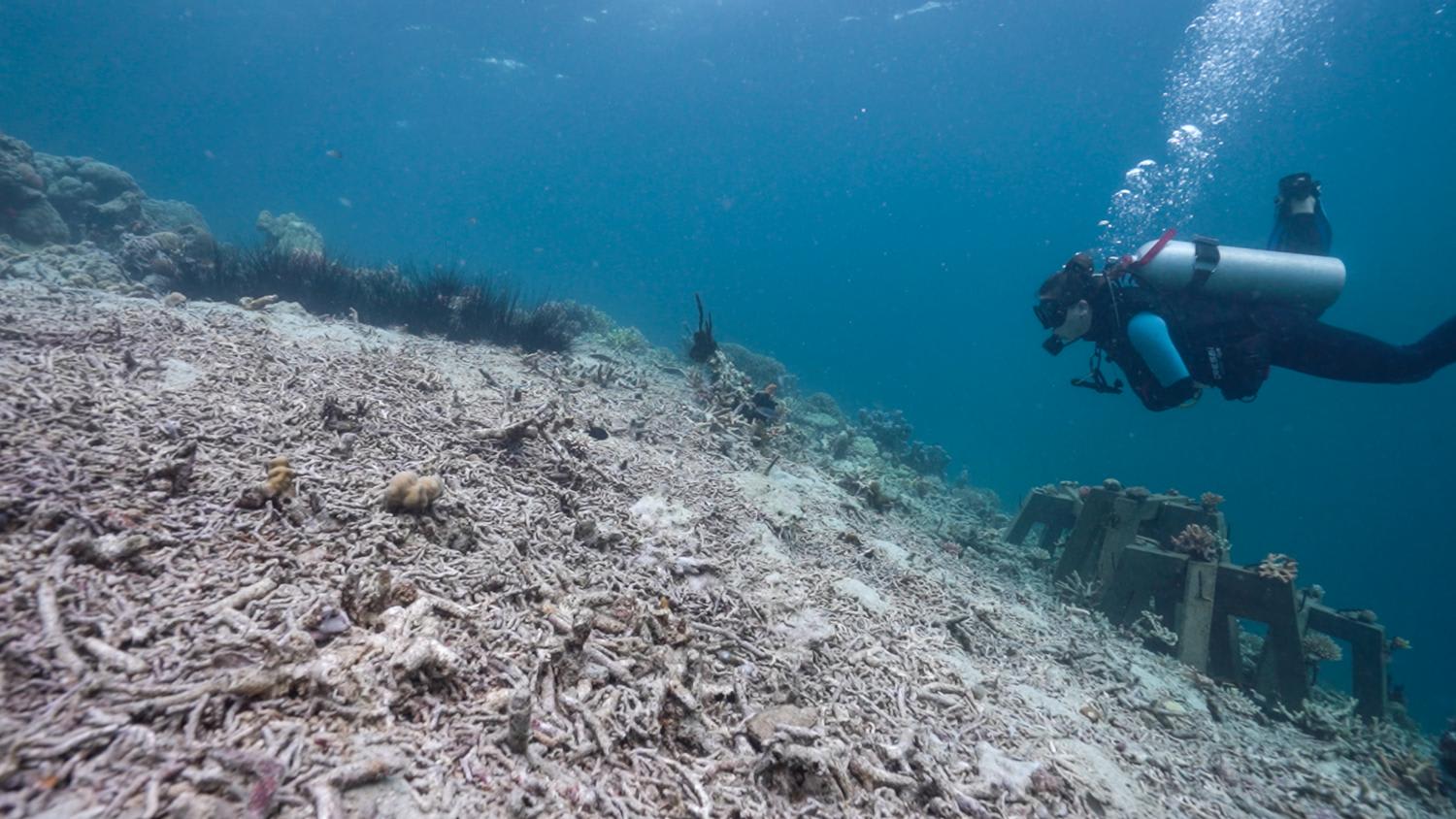
From an environmental perspective, the seabed uplift has raised alarms among scientists. Coral reefs, which are already under threat from climate change and pollution, face an additional crisis. The exposure of these ecosystems to air and sunlight can lead to bleaching and death, further endangering marine biodiversity. Researchers warn that the long-term consequences of the earthquake could be severe, particularly for species that depend on coral for survival.
The event also highlights the interconnectedness of geological and ecological processes. As the seabed rises, it alters the physical environment of the ocean, affecting currents, temperature, and nutrient distribution. These changes can have cascading effects on marine life, from plankton to large predators. Understanding these dynamics is crucial for developing strategies to mitigate future damage and protect vulnerable ecosystems.
Reactions and Expert Perspectives
Experts in geology and marine biology have weighed in on the earthquake’s implications. Dr. [insert name], a seismologist at [insert institution], noted that the seabed uplift is a rare but not unprecedented phenomenon. “While such events are not common, they serve as a reminder of the dynamic nature of the Earth’s crust,” he said. “The key challenge is assessing the long-term impact on both the environment and human populations.”
Marine biologists have also expressed concern about the damage to coral reefs. “The sudden exposure of these ecosystems is a double blow for marine life,” said
