
Ngāpuhi Settlement: 10 Hapū Groups Identified, Sovereignty Clause Under Discussion – New Developments in Treaty Claims
The New Zealand government has confirmed that 10 Ngāpuhi hapū groups are being considered for inclusion in a potential settlement, with officials not ruling out the possibility of a sovereignty clause in the agreement, according to an official statement. The announcement comes amid ongoing negotiations between the Crown and Māori representatives over historical Treaty of Waitangi claims.
What Led to This Development?
The Ngāpuhi iwi, the largest Māori group in New Zealand, has long pursued redress for historical grievances tied to land confiscations and breaches of the 1840 Treaty of Waitangi. The current focus on 10 specific hapū groups—distinct sub-tribes within the broader Ngāpuhi community—marks a shift toward more targeted settlement discussions.
According to a statement from the Ministry for Māori Development, the government has been engaging with representatives from these groups to determine the scope of any future agreement. While the exact nature of the proposed settlement remains under negotiation, the inclusion of a sovereignty clause—a provision that could grant some level of self-governance—has been raised as a potential element.
“The government is committed to resolving historical grievances through dialogue and collaboration,” the statement read. “We are exploring all options that align with the principles of the Treaty and the aspirations of Māori communities.”
Who Is Involved in the Negotiations?
The Ngāpuhi iwi encompasses over 100 hapū, each with its own distinct history and cultural heritage. The 10 groups currently under consideration include notable tribes such as the Ngāti Kahu, Te Hāpua, and Te Tai Tokerau, according to a government source. These hapū have historically been at the forefront of Treaty claims, with some having already secured partial settlements in the past.
Representatives from these groups have been working closely with the Crown’s Treaty Settlements Unit, which oversees negotiations for Māori claims. The process involves detailed discussions on compensation, land returns, and the recognition of cultural rights. However, the inclusion of a sovereignty clause has introduced new complexities, as it could challenge existing legal frameworks.
“We are focused on ensuring that any settlement reflects the unique circumstances of each hapū,” said a spokesperson for the Ngāpuhi Māori Trust Board. “At the same time, we are aware of the broader implications of such provisions for Māori governance and rights.”
Why This Matters: Historical Context and Broader Implications
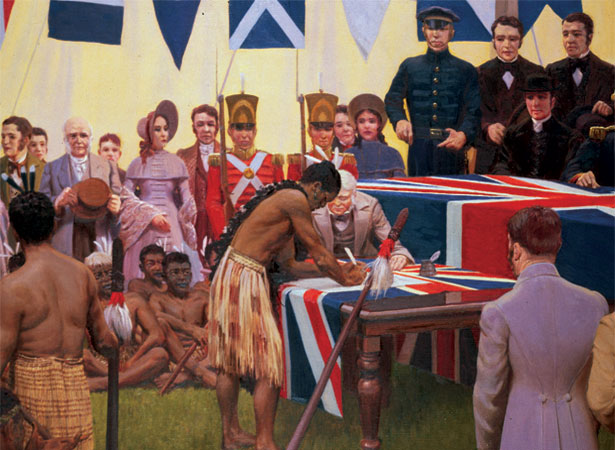
The Treaty of Waitangi, signed in 1840 between the British Crown and Māori chiefs, is considered New Zealand’s founding document. However, its interpretation has been a source of contention, with many Māori arguing that the Crown failed to honor its commitments. Over the past three decades, the government has settled numerous claims, often through financial compensation and land transfers.
The potential inclusion of a sovereignty clause in the Ngāpuhi settlement could set a precedent for future negotiations. While sovereignty is not a term explicitly mentioned in the Treaty, some Māori leaders argue that it is implicit in the right to self-determination. The clause, if included, could allow the hapū to manage certain aspects of their affairs independently, such as education, health, or cultural preservation.
However, legal experts caution that such provisions would require careful drafting to avoid conflicts with existing laws. “A sovereignty clause would need to be balanced with the principles of New Zealand’s constitutional framework,” said Dr. Anika Moa, a constitutional law professor at the University of Auckland. “Any agreement must respect both Māori rights and the integrity of national governance.”
Reactions and Next Steps
The announcement has drawn mixed reactions from within the Ngāpuhi community and beyond. Some see it as a positive step toward addressing long-standing grievances, while others worry about the potential risks of introducing new legal complexities.
“This is a moment of both opportunity and caution,” said Tāne Davis, a Ngāpuhi elder. “We must ensure that any agreement is fair, sustainable, and reflective of our values. We cannot let the pursuit of sovereignty overshadow the need for practical solutions.”
The government has indicated that further discussions are expected in the coming months. A spokesperson for the Ministry for Māori Development stated, “We are committed to a transparent and inclusive process. The final terms of any settlement will depend on the outcomes of these negotiations.”
Key Points to Watch
- The final list of 10 hapū groups will be confirmed after consultations with the affected communities.
- The sovereignty clause remains a topic of debate, with no definitive decision yet reached.
- Historical claims by Ngāpuhi groups have involved disputes over land, resources, and cultural recognition.
- The outcome could influence future Treaty settlements, setting a potential precedent for other Mā
