
The LPGA Announces its Partnership with the Adaptive Golf Hall of Fame – LPGA
The LPGA has partnered with the Adaptive Golf Hall of Fame to increase visibility and accessibility for golfers with physical disabilities. According to the LPGA, this collaboration aims to recognize the contributions of adaptive athletes and promote an inclusive environment within the sport of golf at both the professional and amateur levels.
The announcement marks a formal alignment between the world’s leading professional women’s golf tour and an organization dedicated to honoring the pioneers of adaptive golf. By integrating the mission of the Adaptive Golf Hall of Fame into its broader outreach, the LPGA seeks to highlight the capabilities of players who utilize modified equipment or alternative techniques to compete.
What is the LPGA and Adaptive Golf Hall of Fame Partnership?
The partnership between the LPGA and the Adaptive Golf Hall of Fame is a strategic effort to institutionalize the recognition of adaptive golfers. The LPGA, which governs the premier professional tour for women, is leveraging its global platform to amplify the work of the Adaptive Golf Hall of Fame. This organization serves as a repository for the history of adaptive golf and a tribute to individuals who have broken barriers for players with disabilities.
According to official statements, the collaboration focuses on three primary objectives:
- Increased Visibility: Using LPGA media channels to showcase the stories and achievements of adaptive golfers.
- Educational Outreach: Providing resources that explain how adaptive golf works and how new players can enter the sport.
- Validation of Achievement: Formally recognizing that athletic excellence in golf is not limited by physical impairment.
This move aligns with a broader trend in professional sports to move beyond basic accessibility and toward active celebration of adaptive athletics. Rather than treating adaptive golf as a separate recreational activity, the partnership frames it as a legitimate competitive pursuit worthy of Hall of Fame status.
How Adaptive Golf Changes the Professional Landscape
Adaptive golf refers to the practice of playing golf by individuals with physical disabilities, utilizing specialized equipment or modified rules to ensure fair competition. The LPGA’s partnership with the Adaptive Golf Hall of Fame brings these modifications into the spotlight of the professional women’s game.
Understanding Adaptive Equipment and Rules
For many adaptive golfers, the game requires specific technological interventions. According to adaptive golf standards, these may include:
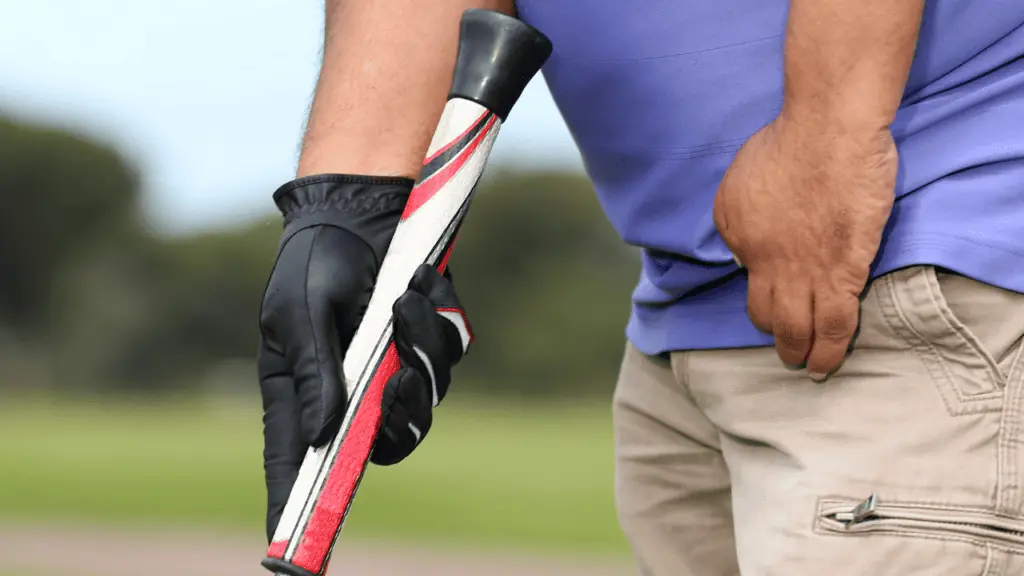
- Single-Handed Grips: Specialized grips that allow a player to maintain control of the club with one hand.
- Adaptive Tees: Higher or modified tees that assist players with limited mobility in initiating the shot.
- ParaGolf Carts: Highly modified motorized carts that allow players to move across the course and, in some cases, provide a stable platform for hitting the ball.
- Club Modifications: Adjusted shafts or weighted heads to accommodate specific range-of-motion limitations.
The rules of golf, governed globally by the R&A and the USGA, have evolved to accommodate these needs. These governing bodies allow for specific “adaptive” exceptions that ensure the spirit of the game remains intact while removing physical barriers. The LPGA’s partnership helps bridge the gap between these technical rules and public awareness.
“The goal is to ensure that every person, regardless of physical ability, has a pathway to experience the game of golf and see themselves represented at the highest levels of the sport.”
Why the LPGA Partnership Matters for Inclusivity
The decision by the LPGA to partner with the Adaptive Golf Hall of Fame is more than a symbolic gesture; it addresses a historical gap in sports representation. While the Paralympics and other adaptive sports leagues have gained mainstream traction, golf has traditionally been viewed through a lens of rigid physical requirements.
By associating with the Adaptive Golf Hall of Fame, the LPGA signals that the definition of a “golfer” is expanding. This is particularly significant for women in sports, who have historically faced double barriers—both gender-based and, for some, disability-based.
Comparing Traditional and Adaptive Golf Frameworks
To understand the impact of this partnership, it is helpful to look at how adaptive golf differs from traditional play in terms of equipment and accessibility.
| Feature | Traditional Golf | Adaptive Golf |
|---|---|---|
| Equipment | Standard clubs and balls | Modified grips, specialized tees, and adaptive carts |
| Mobility | Walking or standard carts | Customized motorized mobility devices |
| Rule Application | Standard USGA/R&A rules | Standard rules with approved adaptive modifications |
| Focus | Performance and score | Performance, score, and accessibility innovation |
This structural difference is why a dedicated Hall of Fame is necessary. The achievements of an adaptive golfer are often measured not just by their score, but by their ability to innovate and overcome physical constraints to achieve that score.
The Role of the Adaptive Golf Hall of Fame
The Adaptive Golf Hall of Fame functions as both a historical archive and a motivational tool. It documents the evolution of the sport from a niche activity to a recognized competitive discipline. By honoring individuals who have contributed to the growth of the game, the Hall of Fame provides a roadmap for future generations of athletes.
The organization focuses on several key categories of inductees:
- Competitive Athletes: Those who have won major adaptive championships or set records.
- Innovators: Individuals who designed the equipment or technology that made the game accessible.
- Advocates: People who worked to change the rules of the game or opened courses to adaptive players.
The LPGA’s partnership provides these inductees with a larger audience. When a professional organization of the LPGA’s stature recognizes the Hall of Fame, it validates the legacy of these pioneers in the eyes of the general public and corporate sponsors.
Potential Long-Term Impacts on Women’s Professional Golf
The alignment between the LPGA and the Adaptive Golf Hall of Fame is likely to produce several long-term shifts in how the sport is managed and marketed.
Pipeline Development for Adaptive Athletes
One immediate consequence is the potential for a more robust pipeline of adaptive female golfers. When young athletes see a pathway to recognition—and a professional organization that supports that pathway—they are more likely to pursue the sport. This could lead to the creation of more adaptive-specific tournaments and qualifying events under the LPGA umbrella.
Corporate Sponsorship and Funding
Corporate sponsors are increasingly prioritizing Diversity, Equity, and Inclusion (DEI) initiatives. A partnership that focuses on disability athletics makes the LPGA a more attractive partner for brands looking to support accessibility. This can lead to increased funding for adaptive clinics, equipment grants, and course modifications.
Course Accessibility Standards
As the LPGA promotes adaptive golf, there will be increased pressure on golf courses to meet higher accessibility standards. This includes not only ADA-compliant parking and restrooms but also “playable” accessibility, such as paved paths to tee boxes and greens that are accessible to adaptive carts.
For more information on how professional tours are evolving, see our related explainer on sports accessibility trends.
Common Misconceptions About Adaptive Golf
Despite the efforts of the LPGA and the Adaptive Golf Hall of Fame, several misconceptions persist about adaptive golf. Addressing these is central to the partnership’s mission.

Misconception 1: Adaptive golf is “easier” because of the modifications.
In reality, adaptive golfers often face greater physical and mental challenges than traditional golfers. The modifications are designed to create a level playing field, not to provide an unfair advantage. The skill required to hit a precise shot with one hand or from a seated position is immense.
Misconception 2: It is a purely recreational activity.
While many play for leisure, there is a highly competitive circuit of adaptive golf. Players train rigorously, follow strict diets, and compete in high-stakes tournaments. The existence of a Hall of Fame underscores the competitive nature of the sport.
Misconception 3: The equipment is prohibitively expensive for everyone.
While some high-end adaptive carts are costly, many modifications are simple and affordable. Partnerships like the one between the LPGA and the Hall of Fame often lead to initiatives that make equipment more affordable through grants and sponsorships.
The Intersection of Disability Athletics and Mainstream Media
The LPGA’s move comes at a time when the media is shifting its portrayal of athletes with disabilities. There is a move away from “inspiration porn”—stories that focus solely on the “bravery” of the athlete—toward a focus on athletic prowess and technical skill.
By partnering with a Hall of Fame, the LPGA is treating adaptive golfers as athletes first. This shift in framing is critical for the growth of the sport. It moves the conversation from “it’s great that they can play” to “look at how well they play.”
This approach mirrors the evolution of the Paralympic Games, where the focus has shifted toward world records, rivalry, and elite performance. The LPGA is applying this same logic to the world of golf, ensuring that adaptive golfers are viewed as peers within the sporting community.
Frequently Asked Questions about the LPGA and Adaptive Golf Hall of Fame
What is the primary goal of the LPGA and Adaptive Golf Hall of Fame partnership?
The primary goal is to increase the visibility, recognition, and accessibility of golf for individuals with physical disabilities. The partnership aims to celebrate the achievements of adaptive golfers and promote the sport as an inclusive activity for all.
Who is eligible for the Adaptive Golf Hall of Fame?
Eligibility generally includes competitive adaptive golfers who have achieved significant success, innovators who have developed adaptive equipment, and advocates who have worked to make golf more accessible to people with disabilities.
How does adaptive golf differ from traditional golf?
Adaptive golf utilizes modified equipment (such as single-handed grips or adaptive tees) and allows for the use of specialized mobility devices to ensure that players with physical impairments can compete fairly and safely.
Will the LPGA be hosting specific adaptive tournaments?
While the current announcement focuses on the partnership and recognition through the Hall of Fame, such alignments often lead to the development of more inclusive tournament structures and exhibition events.
How can new adaptive golfers get started in the sport?
New players are encouraged to look for certified adaptive golf instructors and organizations that provide equipment grants. The LPGA’s partnership with the Adaptive Golf Hall of Fame is intended to make these resources more visible to the public.
The partnership between the LPGA and the Adaptive Golf Hall of Fame establishes a formal link between the pinnacle of women’s professional golf and the history of inclusive athletics. By highlighting the technical skill and perseverance of adaptive golfers, the LPGA is expanding the reach of the game and redefining who can excel on the course. As the collaboration grows, the focus will likely shift toward tangible increases in course accessibility and the creation of new competitive pathways for athletes with disabilities.
