Peru’s 2026 presidential election entered a critical phase as authorities imposed strict restrictions ahead of the second-round runoff, marking a rare but significant intersection of political governance and cultural norms. The so-called “Ley Seca” (dry law), enforced by the National Election Board (JNE), prohibits the dissemination of polls, public debates, and campaign promotions in the final days before the vote, aiming to ensure a “neutral environment” for voters. The measures, which took effect on June 1, 2026, also ban alcohol sales and public gatherings, reflecting the high stakes of a contest that has already reshaped the nation’s political landscape.
What the Restrictions Entail
The JNE’s regulations explicitly forbid candidates and their teams from releasing or sharing election polls, a move designed to prevent last-minute influence on voter behavior. Additionally, the distribution of campaign materials, including advertisements and public speeches, is restricted in the 72 hours leading up to the vote. Violations carry fines ranging from 10,000 to 50,000 Peruvian soles (approximately $2,500 to $12,500), with repeat offenders facing potential disqualification. The alcohol ban, a common feature of Peru’s election periods, extends to all public venues, including restaurants and markets, to curb potential unrest.

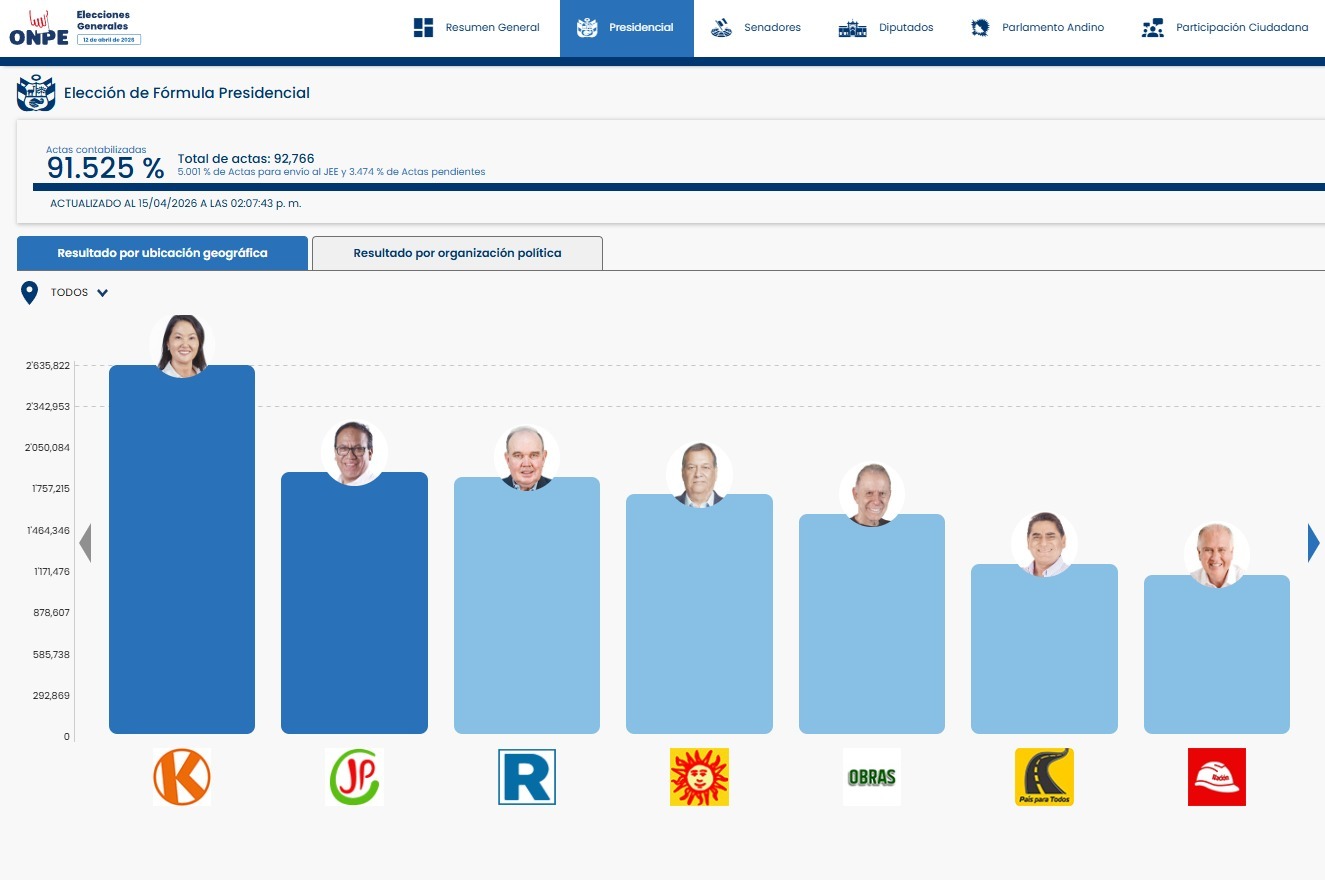
These rules align with broader efforts to mitigate the volatility that has defined Peru’s recent political climate. The first round, held in April 2026, saw a record 35 candidates vying for the presidency, including Keiko Fujimori, the daughter of former strongman Alberto Fujimori, and centrist contender Rafael López Aliaga. With neither candidate securing a majority, the June 4 runoff has become a focal point for a nation grappling with decades of instability.
Why It Matters: A Cultural and Political Crossroads
The “Ley Seca” underscores the unique role of elections in Peru’s cultural fabric, where political engagement often spills into public life. The alcohol ban, in particular, highlights the government’s cautious approach to managing a population accustomed to high-energy campaign seasons. For entertainment professionals, the restrictions may impact event planning, with festivals and public performances requiring special permits to operate during the period. Meanwhile, media outlets face heightened scrutiny to avoid violating the poll-disclosure rules, a challenge in an era of rapid digital dissemination.
The measures also reflect the JNE’s struggle to balance transparency with order. Critics argue that the restrictions could limit voter access to information, while supporters view them as necessary to prevent misinformation. This tension mirrors broader debates about the role of regulation in democratic processes—a theme that resonates beyond Peru, particularly in regions experiencing similar political fragmentation.
What’s Next: The Runoff and Its Implications
As the June 4 vote approaches, the focus will shift to voter turnout and the ability of the two leading candidates to consolidate support. Fujimori, despite her controversial legacy, remains a frontrunner, while López Aliaga’s populist appeal has gained traction among younger voters. The outcome could redefine Peru’s political trajectory, with implications for economic policy, social reforms, and international relations. For now, the “Ley Seca” serves as both a safeguard and a symbol of the nation’s precarious path toward stability.