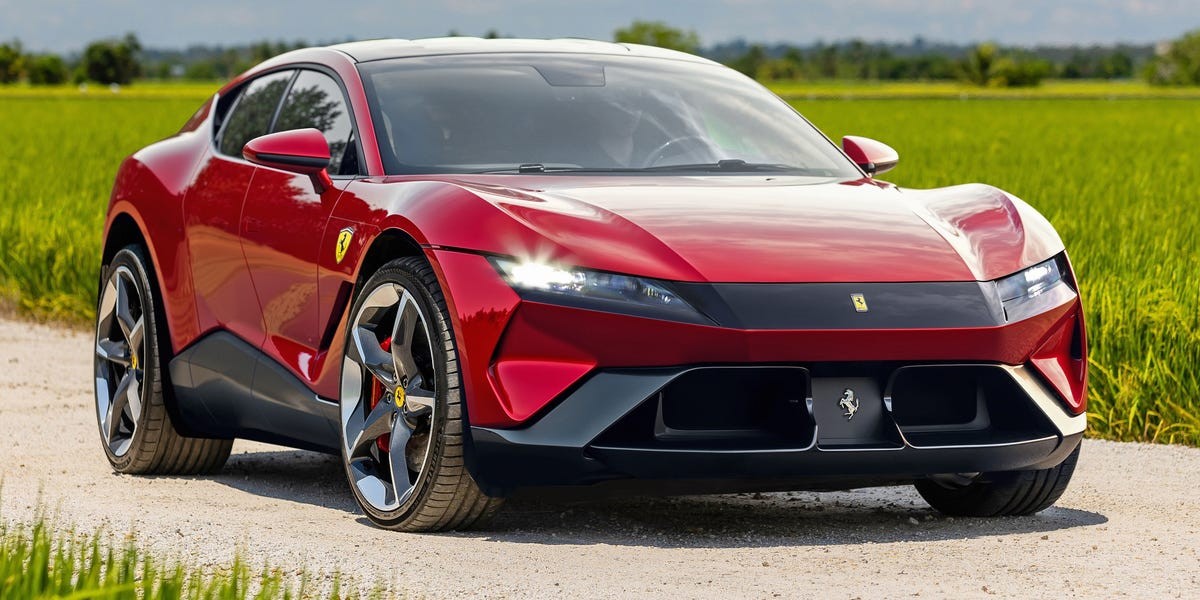
Ferrari Diehards Weigh Whether Buying Its First EV is Test of Loyalty – Financial Times
Ferrari is facing a critical brand crossroads as it introduces the Luce, its first-ever fully electric vehicle. For a fanbase built on the visceral roar of internal combustion engines, the shift to electric power is being viewed by some as a litmus test of brand loyalty, pitting traditional automotive passion against the inevitable transition to sustainable energy.
The Arrival of the Ferrari Luce: A New Era for Maranello
The unveiling of the Luce marks the most significant pivot in Ferrari’s history since it began producing road cars in 1947. According to reports from My Modern Met, the Luce is the company’s first fully electric car, representing a departure from the high-revving V12 and V8 engines that defined the brand for decades. This isn’t just a change in powertrain; it’s a change in the brand’s fundamental identity.
For decades, the “Ferrari experience” was defined by sound, vibration, and the mechanical connection between the driver and the engine. The Luce attempts to translate that prestige into a silent, battery-powered package. While the technical specifications of electric motors often exceed those of combustion engines in terms of raw acceleration, the emotional gap remains a point of contention for the “Tifosi”—the brand’s most devoted followers.
The internal struggle for these collectors is simple: is a Ferrari still a Ferrari if it doesn’t make a sound? This question sits at the heart of why Ferrari diehards weigh whether buying its first EV is test of loyalty – Financial Times, as the transition forces owners to decide if their loyalty is to the badge or to the engine.
Why the Shift to Electric Power is a Loyalty Test for Enthusiasts
For the average luxury car buyer, an EV is a matter of convenience, technology, and environmental consciousness. For a Ferrari diehard, the car is an instrument of passion. The “loyalty test” mentioned in the Financial Times context stems from the perceived loss of the “soul” of the machine. The combustion engine is not merely a power source in a Ferrari; it is the primary sensory output of the vehicle.
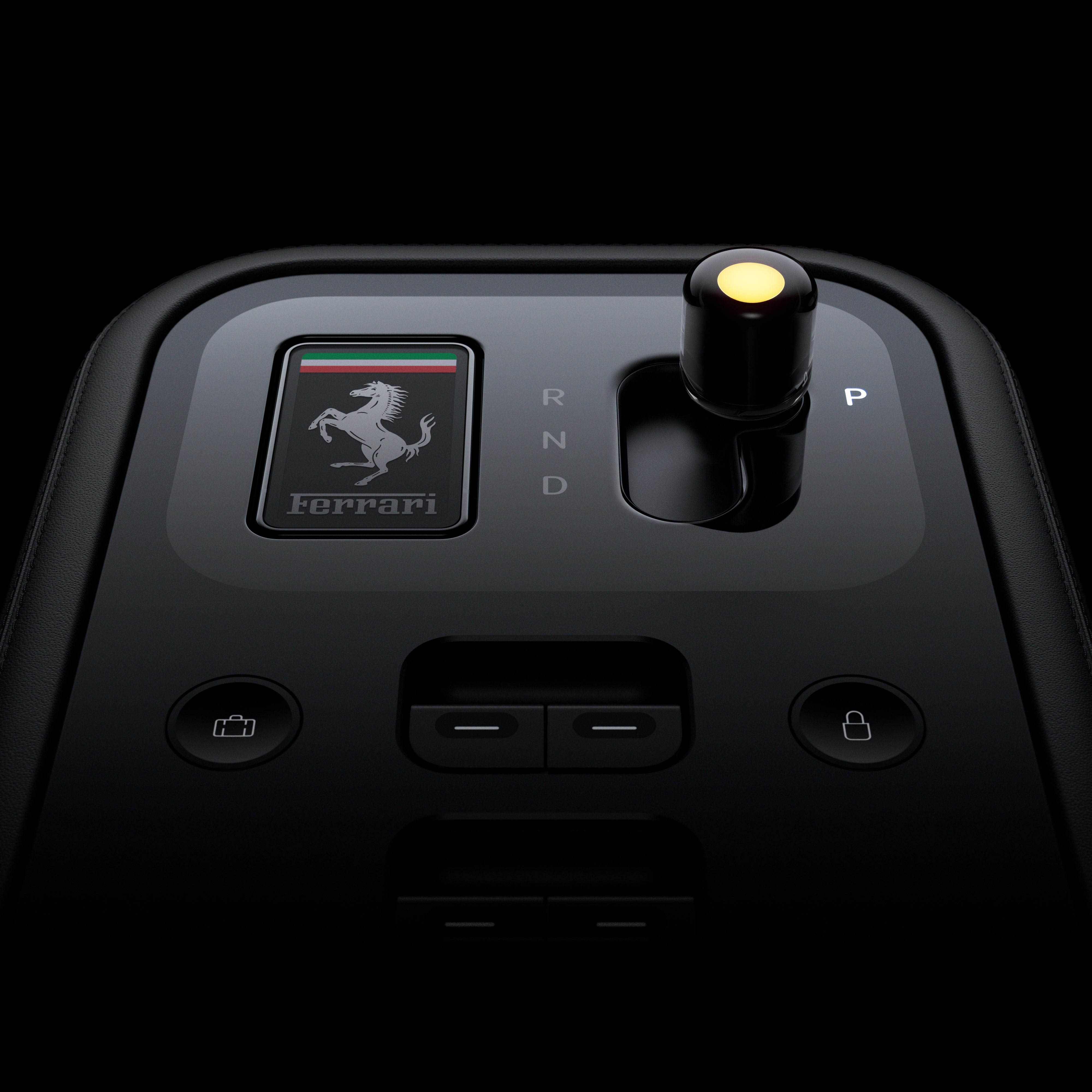
- The Auditory Void: The scream of a Ferrari engine is a global auditory icon. Replacing this with the hum of an electric motor feels, to some, like a betrayal of the brand’s heritage.
- Mechanical Intimacy: Traditionalists value the complexity of gear shifts and the tactile feedback of a combustion drivetrain.
- Investment Value: Collectors often worry that the rapid evolution of battery technology will make early EVs obsolete faster than classic internal combustion models, which tend to appreciate over time.
This tension creates a divide within the community. On one side are the pragmatists who recognize that global regulations and environmental shifts make EVs inevitable. On the other are the purists who believe that an electric Ferrari is an oxymoron. The act of purchasing a Luce, therefore, becomes a statement of faith in the company’s ability to redefine “emotion” in a digital age.
Rejecting the Robot: Ferrari’s Stance on Self-Driving Technology
While Ferrari is embracing electric propulsion, it is drawing a hard line at autonomy. In a move that distinguishes the brand from other luxury and tech-heavy EV manufacturers, Ferrari has explicitly rejected the push toward self-driving cars.
According to Motor1.com, the company’s philosophy is clear: “We want people to have fun, not the computer chips.” This stance is a strategic masterstroke in maintaining brand equity during the EV transition. By rejecting autonomy, Ferrari is signaling to its skeptical fanbase that while the source of the power is changing, the role of the driver remains sacred.
“We want people to have fun, not the computer chips.” — Ferrari’s position on autonomous driving, as reported by Motor1.com.
This distinction is vital. If Ferrari were to move toward a “lounge on wheels” experience—similar to the visions proposed by some autonomous vehicle startups—it would alienate its core demographic entirely. By keeping the driver firmly in control, Ferrari preserves the “sport” in “sports car,” ensuring that the Luce remains a tool for engagement rather than a mode of passive transport.
Design and Perception: The Aesthetics of the Luce
The visual identity of the Luce is as much a part of the conversation as its powertrain. When a brand as visually iconic as Ferrari changes its design language for a new energy source, the reaction is inevitably polarized.
Reports from autoevolution indicate that the Luce has been subject to various virtual redesigns and versions, suggesting that the company is acutely aware of the need to “nail” the styling. The challenge is to create a car that looks futuristic enough to justify its electric nature but retains the timeless, aggressive elegance associated with the Prancing Horse.

However, not all comparisons have been flattering. CarBuzz has highlighted the Luce in comparative contexts, even mentioning the “infamous” nature of some EV transitions and contrasting the luxury positioning of the Luce against much simpler EVs like the Nissan Leaf. While the price points are worlds apart, the comparison underscores a broader industry struggle: how to make an EV feel “special” when the underlying technology (batteries and motors) is becoming commoditized across all price brackets.
| Feature | Traditional Ferrari (ICE) | Ferrari Luce (EV) |
|---|---|---|
| Primary Appeal | Engine Sound & Mechanical Feel | Instant Torque & Sustainability |
| Driver Role | Active Control | Active Control (Rejects Autonomy) |
| Brand Perception | Heritage & Tradition | Innovation & Future-Proofing |
| Core Conflict | Environmental Pressure | Loss of Auditory “Soul” |
The Business of Exclusivity in an Electric World
Ferrari’s transition to EVs is not happening in a vacuum. The company operates on a model of extreme scarcity and high margins. According to company data, Ferrari shipped 13,752 units in 2024, generating revenue of €6.677 billion and a net income of €1.526 billion. This financial strength gives the company a luxury that other manufacturers lack: the ability to move slowly and deliberately.
Ferrari does not need to flood the market with EVs to survive. Instead, it can treat the Luce as a limited, highly curated experiment. This strategy helps mitigate the “loyalty test” by ensuring that the EV doesn’t replace the internal combustion engine overnight, but rather complements the existing lineup.
By maintaining a strict production ceiling, Ferrari ensures that the Luce remains a coveted object. If the electric transition is handled as an exclusive privilege rather than a mandatory upgrade, the “test of loyalty” becomes a badge of honor for the early adopters who are “chosen” to own one of the first electric Ferraris.
Industry Parallels: How Other Luxury Brands Handled the Shift
The struggle Ferrari is experiencing is not unique, though the intensity is higher due to the brand’s emotional connection with its users. Other high-end manufacturers have faced similar hurdles:
- Porsche: The Taycan was a critical and commercial success, but Porsche maintained the 911 as a combustion stronghold for as long as possible to appease purists.
- Lamborghini: The brand moved toward hybridization with the Revuelto, attempting a “middle ground” before committing to full electrification.
The difference with Ferrari is the sheer weight of its legacy. While Porsche is viewed as an engineering company, Ferrari is viewed as a passion project. This makes the transition to the Luce more than a technical challenge—it is a cultural one. The Financial Times framing of this as a “test of loyalty” highlights that for many, the brand is an identity, and changing the engine is like changing the DNA of that identity.
Common Misconceptions About the Ferrari EV Transition
There are several prevailing myths regarding Ferrari’s move into the electric space that require clarification based on available reporting.
Misconception 1: Ferrari is abandoning the V12 engine.
While the Luce introduces a fully electric option, there is no indication that Ferrari is immediately killing its most iconic engines. The company’s strategy appears to be one of diversification rather than total replacement.
Misconception 2: The Luce will be a “tech-first” car like a Tesla.
As reported by Motor1.com, Ferrari is explicitly rejecting the “computer chip” approach to driving. The focus remains on the driver’s experience and “fun,” not on software-driven autonomy or self-driving capabilities.
Misconception 3: The EV transition will dilute the brand’s exclusivity.
Given Ferrari’s history of controlling supply and its 2024 production figures, the company is unlikely to mass-produce the Luce in a way that would saturate the market. Exclusivity remains the core of their business model.
The Future of the Prancing Horse
As the Luce moves from a concept toward a production reality, the automotive world will be watching to see if the “loyalty test” results in a schism or a synthesis. The success of the Luce will not be measured by 0-60 mph times—which are easily achieved by any high-end EV—but by whether it can evoke the same emotional response as a combustion engine.
Ferrari’s bet is that “passion” is not tied to a specific fuel source, but to the feeling of control, the beauty of the design, and the prestige of the badge. If they can successfully decouple the brand’s emotion from the engine’s noise, they will have solved the hardest problem in the luxury automotive industry.
For now, the diehards remain divided. Some see the Luce as a necessary evolution, while others view it as a departure from everything that made Ferrari great. The ultimate answer will come when the first production Luce hits the road and owners decide if the silence is a void or a new kind of symphony.
Frequently Asked Questions
What is the Ferrari Luce?
The Ferrari Luce is the company’s first-ever fully electric vehicle (EV), marking a historic shift for the Italian luxury sports car manufacturer as it moves toward sustainable propulsion.
Why are some Ferrari fans against the first EV?
Many enthusiasts believe that the sound and mechanical feel of an internal combustion engine are central to the Ferrari identity. For these “diehards,” a silent electric motor is seen as a loss of the car’s “soul.”
Will the Ferrari Luce have self-driving features?
No. According to reports from Motor1.com, Ferrari has rejected self-driving technology, stating that they want the driver to have “fun” rather than relying on “computer chips.”
Is Ferrari stopping the production of gas-powered cars?
There has been no official announcement that Ferrari is completely abandoning internal combustion engines. The Luce represents the addition of an electric option to their range, not necessarily the immediate end of their traditional engines.
How does Ferrari maintain exclusivity with the Luce?
Ferrari typically manages exclusivity through strictly limited production numbers and a curated selection process for buyers, a strategy they are expected to maintain with their electric offerings.
For those interested in the broader shift of the luxury car market, you may find a related explainer on the transition to sustainable luxury automotive design useful for understanding how other heritage brands are navigating these changes.
