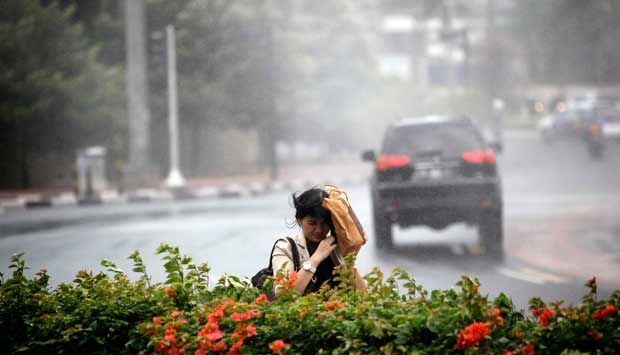
BMKG Predicts Light Rain Across Indonesia on Sunday: What You Need to Know
The Indonesian Meteorological, Climatological, and Geophysical Agency (BMKG) has issued a forecast predicting light rain across most regions of the country on Sunday. This update comes amid a seasonal transition period that often brings fluctuating weather patterns, prompting concerns among residents, businesses, and local authorities. While the rain is not expected to be severe, its widespread nature has sparked discussions about preparedness and the broader implications for daily life and economic activities.
Understanding the Forecast: What the Data Reveals
According to BMKG’s latest analysis, light rain is anticipated to affect a majority of Indonesia’s provinces, including Java, Sumatra, Borneo, Sulawesi, and parts of Nusa Tenggara. The agency attributes this pattern to the intertropical convergence zone (ITCZ), a belt of low-pressure systems near the equator that frequently influences the region’s weather. The rain is expected to be sporadic, with some areas experiencing brief showers while others face prolonged drizzle. Temperatures are projected to remain stable, averaging between 25°C and 32°C across the archipelago.
The forecast highlights a shift in atmospheric conditions, with moisture-laden air masses moving from the Indian Ocean toward the Indonesian territory. This phenomenon is typical during the transition between the dry and wet seasons, a period when weather patterns can be highly variable. BMKG emphasized that the rain is not linked to any major storm systems, but rather to localized convection and elevated humidity levels.
For residents, the implication is a need for caution, particularly in urban areas where drainage systems may be overwhelmed by sudden downpours. Farmers, too, are advised to monitor soil moisture levels, as even light rain can impact crop cycles depending on the timing and duration.
Regional Impact: How Different Areas Are Affected
The forecast’s regional distribution reveals varying degrees of impact. Java, the most populous island, is expected to see the heaviest rainfall, with cities like Jakarta, Surabaya, and Bandung likely to experience localized flooding. The Jakarta Metropolitan Area, which has faced recurring waterlogging issues, remains a focal point for authorities. Meanwhile, Sumatra’s western coasts, including Aceh and North Sumatra, are anticipated to receive moderate rainfall, while eastern regions like East Kalimantan may see lighter showers.
In Bali and the Nusa Tenggara islands, the rain is expected to be more intermittent, which could affect tourism activities. However, the timing of the forecast—during a typically dry period—may not disrupt travel significantly. Sulawesi, on the other hand, faces a unique challenge: its mountainous terrain could lead to isolated heavy downpours, increasing the risk of landslides in certain areas.
BMKG has issued advisories for coastal communities to remain vigilant against potential sea swells, which can occur when rain interacts with ocean currents. This is particularly relevant for regions like the Maluku Islands and parts of Papua, where maritime activities are common.
The Role of BMKG: A Trusted Source of Weather Data
As Indonesia’s primary meteorological authority, BMKG plays a critical role in monitoring and disseminating weather information. Established in 1947, the agency operates a network of weather stations, radar systems, and satellite data platforms to track atmospheric conditions in real time. Its forecasts are widely regarded as reliable, with a track record of accurately predicting major weather events, including cyclones and droughts.
Recent years have seen BMKG enhance its capabilities through technological upgrades and international collaborations. The agency has partnered with organizations like the World Meteorological Organization (WMO) to improve climate modeling and early warning systems. These efforts have been especially vital in a country prone to natural disasters, where timely information can save lives and mitigate economic losses.
Despite its expertise, BMKG faces challenges in ensuring that all communities receive its updates. In remote areas, access to weather alerts remains limited, highlighting the need for improved communication infrastructure. Additionally, the agency must navigate the complexities of public perception, as misinformation and skepticism about weather forecasts can sometimes undermine its efforts.
Why This Forecast Matters: Economic and Social Implications
The light rain forecast carries broader implications beyond immediate weather conditions. For Indonesia’s agricultural sector, which employs over 30% of the workforce, even minor shifts in precipitation can influence planting and harvesting schedules. Rice farmers, for instance, may adjust their irrigation practices based on the forecast, while fruit growers might delay harvesting to avoid damage from excess moisture.
Transportation networks are another key concern. Light rain can reduce visibility and create slippery road conditions, increasing the risk of accidents. Air travel is less likely to be affected, but airports in regions prone to thunderstorms may need to implement additional safety protocols. Maritime operators, particularly in the eastern parts of the country, are advised to monitor wave heights and adjust routes if necessary.
From a social perspective, the forecast underscores the importance of community preparedness. In cities like Jakarta, where infrastructure struggles to keep pace with rapid urbanization, even modest rainfall can lead to disruptions. Local governments have been urged to conduct routine inspections of drainage systems and coordinate with emergency services to address potential issues swiftly.
Public Reactions and Expert Insights
Public reactions to the forecast have been mixed. While some residents appreciate the early warning, others express frustration over the uncertainty of weather conditions. “It’s hard to plan when the rain could come at any time,” said a Jakarta-based small business owner, who noted that outdoor events are often at the mercy of unpredictable weather. Similar sentiments have been echoed in online forums, where users share tips on staying dry and managing daily routines during light rain.
Experts in climatology have weighed in on the forecast’s significance. Dr. Rina Wij
