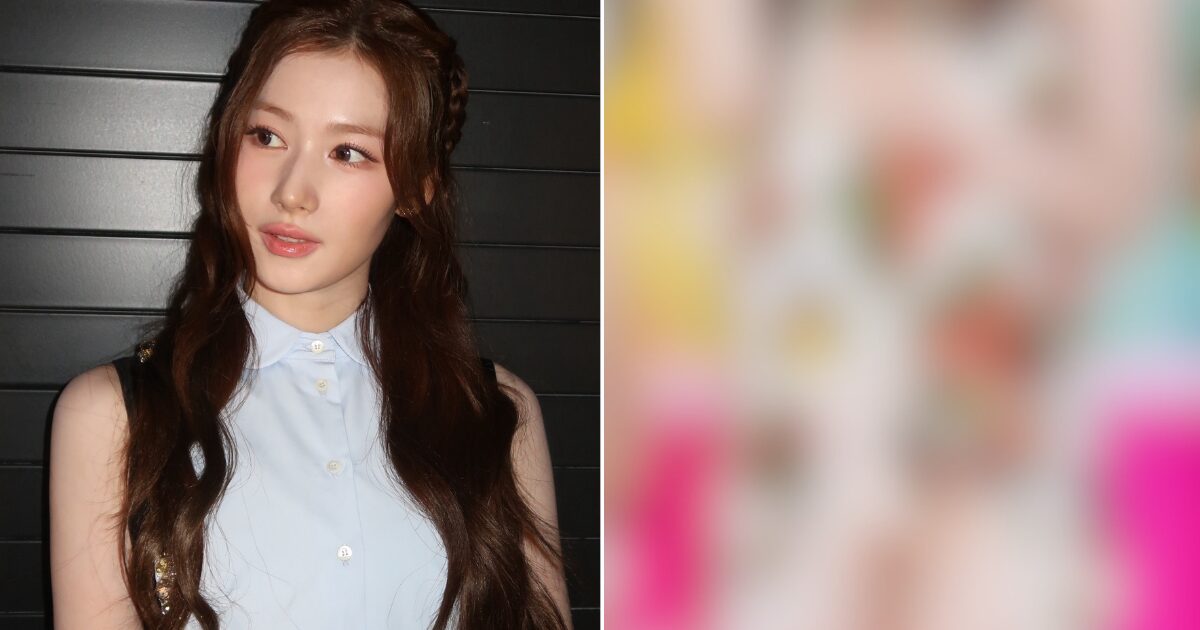
Twice Member Sana’s Controversial Outfit at Event Sparks Public Outcry
A recent appearance by Twice member Sana at a high-profile event has ignited a wave of public criticism, with her choice of attire drawing sharp scrutiny from fans, industry observers, and media outlets. The incident, which unfolded during a widely attended gathering, has sparked debates about the boundaries of fashion expression in the K-pop industry and the expectations placed on idols.
The controversy began when Sana, known for her vibrant personality and fashion-forward style, was photographed wearing a revealing outfit that some described as resembling undergarments. The ensemble, which included a cropped top and high-cut shorts, was reportedly part of a themed event, but the reaction it generated quickly escalated beyond the initial context.
What Happened at the Event?
The incident occurred during a music industry awards ceremony held in Seoul, South Korea, on April 5. According to multiple reports, Sana was seen in a bold outfit that some attendees and onlookers interpreted as inappropriate for the formal setting. While the event’s organizers did not issue an official statement, social media platforms quickly became a battleground for opinions on the matter.
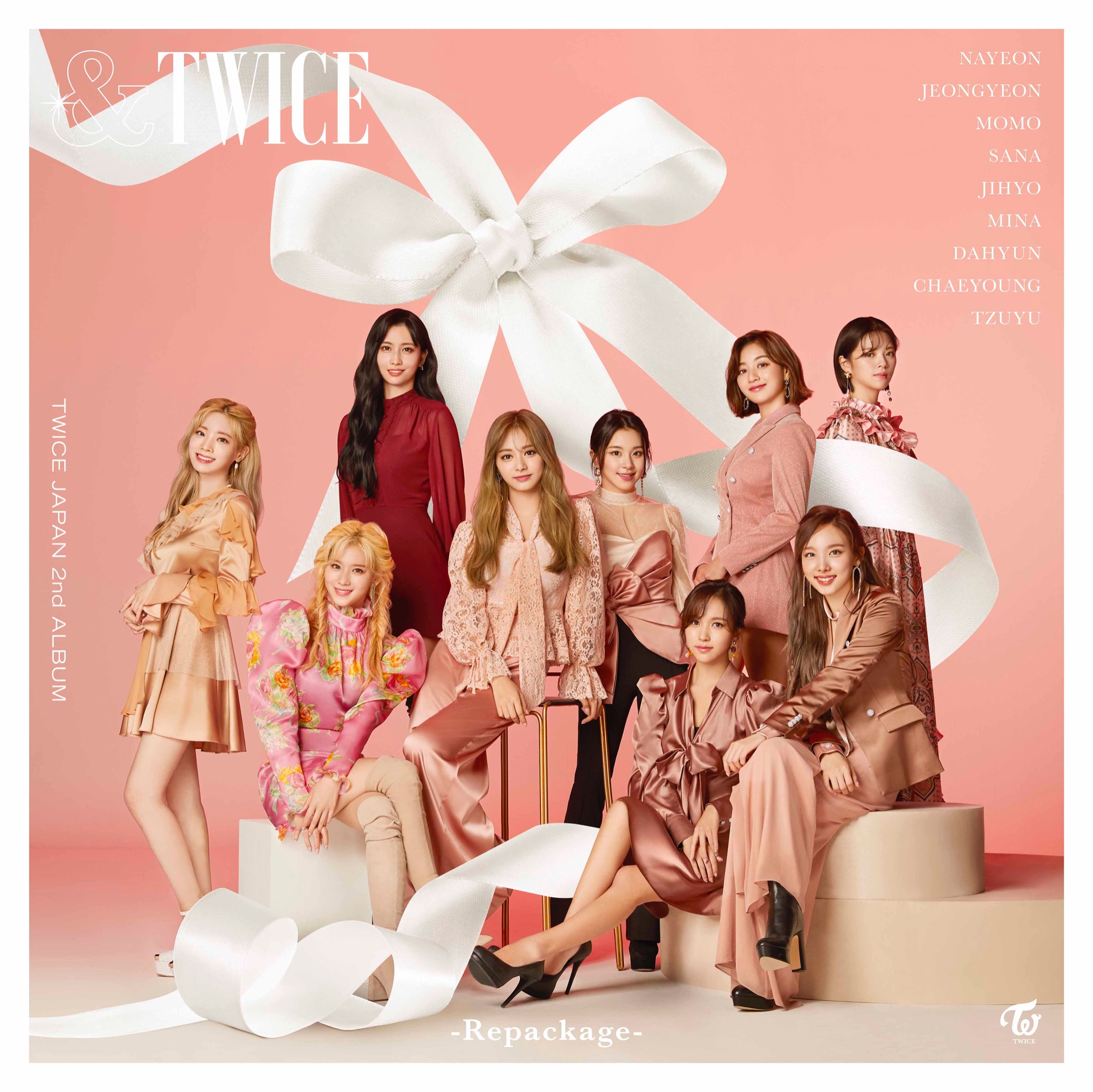
Footage of Sana’s appearance circulated rapidly, with many users expressing shock at the choice of clothing. Comments on fan forums and social media platforms ranged from criticism of the outfit’s modesty to calls for greater accountability from K-pop agencies regarding their idols’ public appearances.
One fan wrote on a popular K-pop message board, “I understand that idols need to express themselves, but this felt like a step too far. It’s not just about fashion—it’s about respecting the audience and the platform we’re all part of.”
Who Is Involved?
Sana, whose real name is Sana Imai, is a Japanese member of the globally renowned girl group Twice. As one of the group’s primary dancers and vocalists, she has built a significant following both in South Korea and internationally. Her appearance at the event was part of a broader effort by her agency, JYP Entertainment, to promote the group’s upcoming activities.
The event itself, organized by a leading music production company, aimed to celebrate achievements in the K-pop industry. However, the focus shifted rapidly to Sana’s outfit, with some attendees and media representatives questioning whether the attire aligned with the event’s tone.
JYP Entertainment, while not directly addressing the controversy, issued a general statement emphasizing the importance of “responsible public representation” for its artists. The company also noted that it would review “all aspects of its artists’ public appearances” to ensure alignment with its values.
Why This Matters: The Broader Context
The backlash against Sana’s outfit reflects a broader tension within the K-pop industry between artistic expression and the strict standards of conduct expected of idols. K-pop agencies often impose tight guidelines on their artists, covering everything from appearance to social media behavior. However, as idols gain more creative control, incidents like this highlight the challenges of balancing personal style with industry norms.
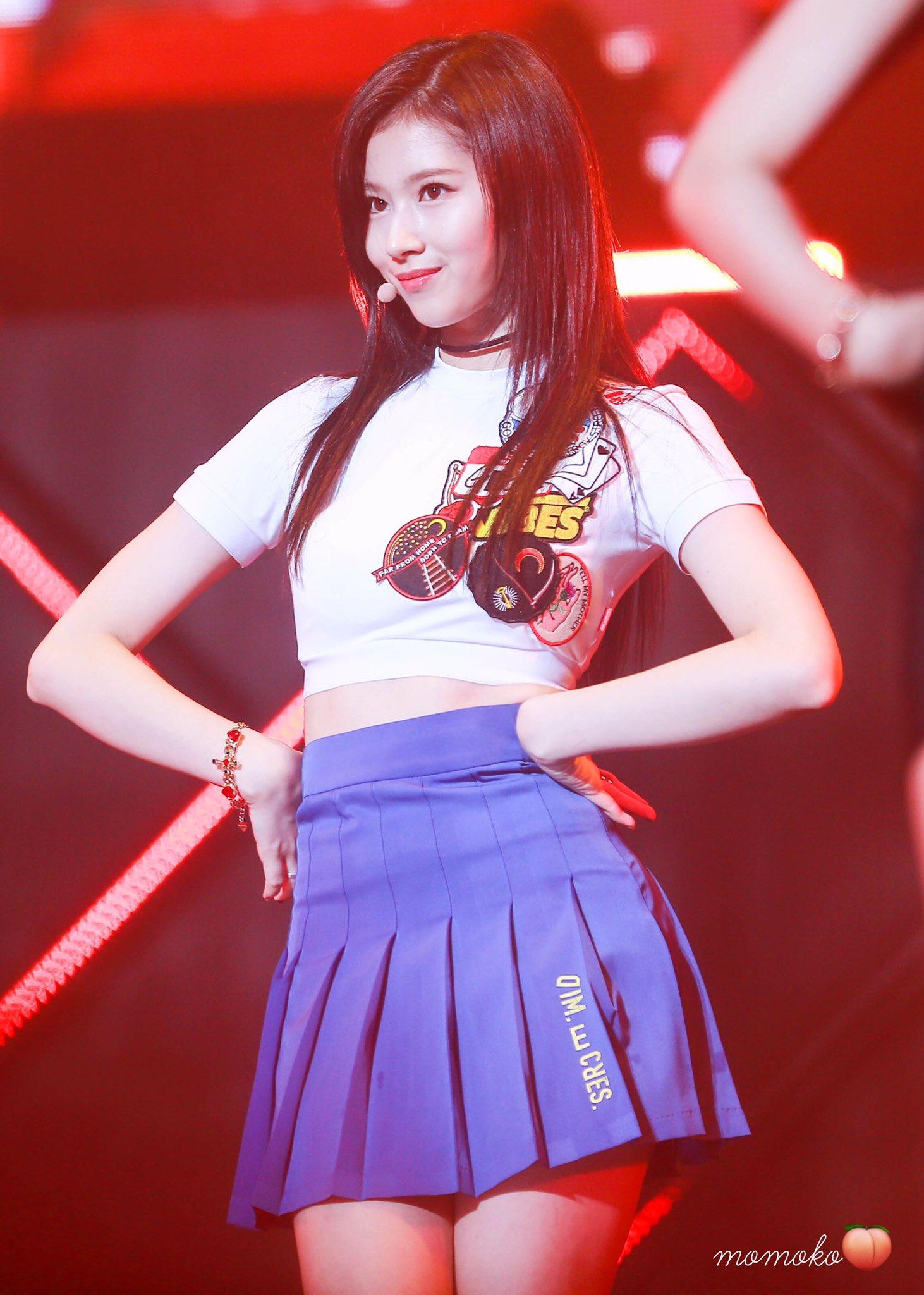
Experts in entertainment law and cultural studies have pointed to similar controversies in the past. For example, in 2019, a different K-pop group faced criticism for an outfit that was perceived as overly provocative during a televised performance. In that case, the agency issued a public apology and revised its guidelines for future events.
“This isn’t just about one outfit,” said Dr. Min-jun Park, a cultural analyst at Seoul National University. “It’s a reflection of the pressure idols face to conform to certain expectations while also navigating their own identities. The line between self-expression and appropriateness is often blurred, and this incident brings that tension into the spotlight.”
Public Reaction and Social Media Response
Social media became the primary arena for public discourse following the event. Hashtags related to the incident trended on platforms like Twitter and Instagram, with users divided over whether Sana’s outfit was a misstep or a valid form of self-expression.
Supporters of Sana argued that the criticism was overly harsh, pointing to the fact that she had previously worn similar outfits without facing backlash. “Why is this different from other times she’s dressed this way?” one user asked. “Is it because of the event’s setting, or is it just that people are looking for something to complain about?”
Opponents, however, emphasized the importance of context. “This isn’t about judging her style—it’s about respecting the event and the audience,” another user replied. “Idols have a responsibility to be mindful of how their choices might be received, especially when they’re representing their agencies and fans.”
The debate also extended to discussions about gender norms and the double standards often applied to female idols. Some critics noted that male idols frequently wear more casual or revealing outfits without facing the same level of scrutiny. “It’s not just about Sana’s outfit—it’s about the broader system that holds women to stricter standards,” said a user on a K-pop forum.
Industry Implications and Potential Consequences
The incident has raised questions about how K-pop agencies will handle similar situations in the future. While JYP Entertainment has not yet commented on the specific backlash, industry analysts suggest that the company may need to reassess its approach to managing its artists’ public appearances.

“This could lead to a shift in how agencies balance creative freedom with public expectations,” said Lee Hae-won, a media analyst at the Korea Institute for Media and Communication. “If the backlash continues, we might see more proactive measures to guide idols on appropriate attire for different events.”
There is also speculation about how this incident might affect Sana’s career. While she has maintained a positive public image, the controversy could impact her relationships with fans and sponsors. However, some observers believe that the backlash may be short-lived, given the fast-paced nature of K-pop fandom.
“Fans often move on quickly, especially if the artist continues to deliver strong performances and maintain a positive presence,” said a representative from a fan engagement platform. “But this incident could serve as a cautionary tale for other idols about the risks of pushing boundaries.”
Comparisons to Past Incidents
This is not the first time a K-pop idol has faced criticism for their attire. In 2021, a popular singer was widely criticized for wearing a low-cut outfit during a televised award show, leading to a public apology and a temporary hiatus from public appearances. Similarly, in 2018, a group’s music video featuring a provocative dance routine sparked widespread debate about the industry’s approach to
