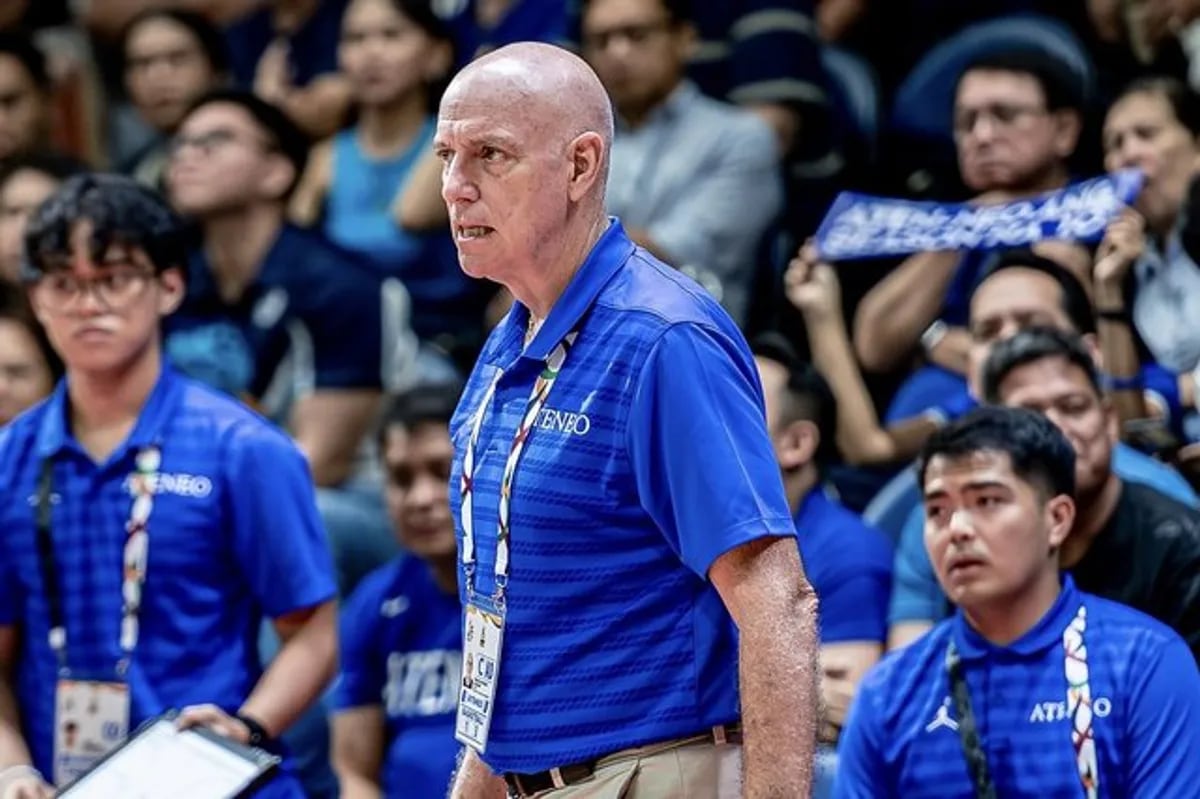
‘I failed as a leader, as a coach,’ says Baldwin as he breaks silence on Adili, Baterbonia’s deaths
Coach Baldwin has admitted to leadership and coaching failures following the deaths of Ateneo athletes Adili and Rene Baterbonia, according to reports from ABS-CBN. The admission comes amid intensifying pressure from the Philippine government and legislative bodies to determine the exact circumstances surrounding the deaths of the two students.
What led to Coach Baldwin’s admission of failure?
Baldwin broke his silence on the tragedy by stating, “I failed as a leader, as a coach,” according to ABS-CBN. This statement serves as a public acknowledgment of responsibility regarding the oversight and management of the athletes under his care. While the specific triggers for the deaths remain under investigation, the coach’s statement focuses on the systemic and personal failures in leadership that preceded the events.
The deaths of Adili and Rene Baterbonia have sparked a wider conversation regarding athlete welfare, the intensity of collegiate training, and the duty of care owed by coaching staff to their players. Baldwin’s admission marks a shift from silence to public accountability, though it does not preempt the legal or administrative findings of the ongoing probes.
Who are the victims and what is the current status of their remains?
The tragedy involves two athletes from Ateneo: Adili and Rene “Bobet” Baterbonia. The loss of these students has resonated not only within the university but also in their home provinces.

According to ABS-CBN, the remains of Rene Baterbonia have arrived in Davao. The homecoming was marked by emotional tributes, with family and community members welcoming “Bobet” back to his hometown for final rites. The return of the remains marks a transition from the immediate shock of the deaths to the mourning process for the families involved.
Why is the Philippine government intervening in the deaths of Ateneo athletes?
The deaths have escalated from a university matter to a national concern, prompting intervention from the highest levels of government. The Palace has officially called for a “swift probe” into the deaths of the Ateneo athletes, according to the Philippine News Agency.
The executive branch’s interest suggests that the incident may be viewed as a matter of public safety or a potential breach of health and safety protocols within educational and athletic institutions. A swift probe is intended to ensure that evidence is preserved and that the causes of death are transparently documented.
Simultaneously, members of the Senate have weighed in on the tragedy. According to the Manila Bulletin, senators have asserted that the families of Baterbonia and Adili deserve “truth and justice.” This legislative interest often precedes formal inquiries or the proposal of new safeguards for student-athletes across the country.
The different levels of government response are summarized below:
| Government Entity | Primary Objective | Source of Report |
|---|---|---|
| The Palace (Executive) | Demand for a swift, comprehensive investigation | Philippine News Agency |
| The Senate (Legislative) | Ensuring truth and justice for the bereaved families | Manila Bulletin |
Could Coach Baldwin face deportation?
Beyond the emotional and professional fallout, there are potential legal and immigration consequences for the coach. SunStar Publishing Inc. has reported that the coach at Ateneo could possibly be deported.
Deportation typically occurs if a foreign national is found to have violated the terms of their visa or if they are convicted of a crime that renders them an undesirable alien under Philippine immigration laws. Whether this becomes a reality depends on the findings of the official investigation. If the probe reveals criminal negligence or a violation of law, immigration authorities may act on the basis of those findings.
This possibility introduces a legal dimension to the case, moving it beyond a matter of coaching ethics and into the realm of national law and immigration policy.
What are the broader implications for collegiate sports in the Philippines?
The deaths of Adili and Baterbonia, coupled with Baldwin’s admission of failure, highlight critical vulnerabilities in the management of high-pressure athletic programs. The intersection of academic requirements and rigorous physical training often creates a high-stress environment for student-athletes.
Key concerns emerging from this incident include:
- Duty of Care: The extent to which coaches and universities are responsible for the holistic health—both physical and mental—of their athletes.
- Training Protocols: Whether the training regimens employed were within safe limits or if they contributed to the fatalities.
- Accountability Structures: The process by which failures in leadership are identified and addressed before they lead to tragedy.
The call for “truth and justice” by senators indicates that the outcome of this case may lead to systemic changes in how collegiate sports are regulated in the Philippines. There is a growing demand for standardized safety protocols that are independently monitored, rather than left solely to the discretion of coaching staff.
“Families of Baterbonia, Adili deserve truth and justice.” — Statement attributed to senators via Manila Bulletin.
Comparing the responses of different stakeholders
The framing of this tragedy varies across the reporting outlets, reflecting the different priorities of the stakeholders involved. The focus of the narrative has shifted from the personal to the political and legal.
While the initial reporting centered on the tragedy and the mourning of the families—specifically the return of Rene Baterbonia to Davao—the narrative has since expanded. The admission by Baldwin, as reported by ABS-CBN, focuses on moral and professional failure. In contrast, the reports from the Philippine News Agency and SunStar Publishing Inc. focus on administrative and legal consequences, such as government probes and potential deportation.
This contrast shows a story moving through three distinct phases:
- The Human Phase: Mourning and the return of remains to the family.
- The Accountability Phase: The coach’s admission of failure.
- The Legal Phase: Government investigations and potential immigration penalties.
For those following the legalities of student-athlete rights, a related explainer on athlete safety regulations may provide further context on existing laws.
Frequently Asked Questions
Who is Coach Baldwin and why did he admit failure?
Baldwin is the coach associated with the Ateneo athletes who passed away. He admitted failure as a leader and coach, according to ABS-CBN, acknowledging that he fell short in his responsibilities toward the athletes.

Who were the athletes involved in the tragedy?
The athletes were Adili and Rene “Bobet” Baterbonia. Baterbonia’s remains have since been returned to his family in Davao, as reported by ABS-CBN.
Is the Philippine government investigating the deaths?
Yes. According to the Philippine News Agency, the Palace has called for a swift probe, and senators have demanded truth and justice for the families, as noted by the Manila Bulletin.
What is the potential legal penalty for the coach?
According to SunStar Publishing Inc., there is a possibility that the coach could be deported, depending on the findings of the investigation and his immigration status.
Where did the athletes study?
The athletes were affiliated with Ateneo.
The ongoing investigations by the government and the university will likely determine the final cause of death for Adili and Baterbonia. The resolution of these probes will dictate whether Coach Baldwin’s admission of failure remains a professional apology or becomes part of a larger legal proceeding involving negligence or immigration violations.
