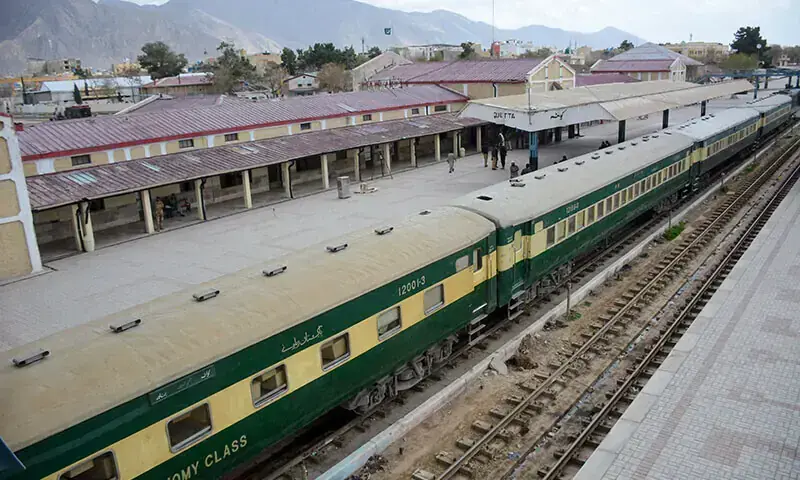
Jaffar Express Resumes Service from Quetta Following Deadly Railway Attack
The restoration of the Jaffar Express service from Quetta marks a pivotal moment in the effort to normalize transportation and reclaim public spaces following a devastating attack on the region’s railway infrastructure. For several days, the vital artery connecting Quetta to the rest of the country remained severed, leaving thousands of passengers stranded and highlighting the precarious nature of transport security in the region. The resumption of service is not merely a logistical victory but a symbolic gesture of resilience against attempts to isolate the province through targeted violence.
The suspension of train operations was a direct response to a brutal bombing that targeted the rail network, resulting in significant loss of life and widespread panic. As officials worked to secure the tracks and assess the damage, the complete halt of trains to and from Quetta created a vacuum in the movement of people and goods, exacerbating the hardships of a population already navigating a complex security landscape. The return of the Jaffar Express signals that security forces believe the immediate threat has been mitigated, though the psychological scars of the event remain.
The Anatomy of the Attack: A Devastating Blow to Infrastructure
The events that led to the suspension of the Jaffar Express were characterized by extreme violence and a calculated attempt to disrupt national connectivity. Reports regarding the incident describe a blast specifically targeting a train, an act designed to maximize casualties and cause systemic failure in the transport network. The nature of the attack has been described as a suicide bombing occurring near the railway tracks, a tactic often employed to bypass traditional security checkpoints and strike at the heart of civilian transit.

The human cost of the attack was staggering, though exact figures varied across initial reports. Some estimates placed the death toll at at least 20 individuals, while other official accounts indicated that more than 30 people lost their lives. Additional reports noted at least 23 fatalities, with several others left in critical condition. The discrepancy in numbers often reflects the chaos of the immediate aftermath of such tragedies, where emergency responders struggle to account for all victims amidst the wreckage.
The targeting of public transportation is a strategic attempt to instill fear in the general population and disrupt the social and economic cohesion of the region.
The impact of the blast extended beyond the immediate casualties. The explosion caused significant damage to the railway infrastructure, necessitating an immediate cessation of all train operations. Officials were forced to suspend all services to and from Quetta to ensure that no further lives were put at risk and to allow security teams to conduct a thorough sweep of the lines for secondary devices.
Key Details of the Incident
- Target: Railway infrastructure and passengers on the Jaffar Express route.
- Method: A blast, identified in several reports as a suicide bombing near the tracks.
- Casualties: Reported death tolls ranging from 20 to over 30 people, with numerous critical injuries.
- Immediate Result: Complete suspension of all train operations to and from Quetta.
The Strategic Importance of the Quetta Rail Link
To understand why the resumption of the Jaffar Express is so critical, one must look at the geographic and economic role of Quetta. As a major hub, Quetta relies heavily on its rail connections to maintain a lifeline to the urban centers of Pakistan. The railway is not just a means of passenger travel; it is a primary conduit for the movement of essential commodities, trade goods and government supplies.
When train operations are suspended, the ripple effects are felt across multiple sectors:
- Economic Paralysis: The movement of freight slows or stops entirely, leading to shortages of goods and increased prices in local markets.
- Social Isolation: Families are separated, and students or workers traveling between cities are left without a reliable or affordable means of transport.
- Increased Pressure on Roads: When the rail link fails, traffic shifts to roads, which are often more dangerous, more expensive, and more susceptible to ambush or checkpoints.
The Jaffar Express, in particular, serves as a cornerstone of this connectivity. Its ability to transport large volumes of people across challenging terrain makes it indispensable. The decision to resume its service is therefore a move to stabilize the local economy and restore the freedom of movement for the citizenry.
| Impact Area | Effect of Suspension | Benefit of Resumption |
|---|---|---|
| Commerce | Supply chain disruptions, and inflation. | Restored flow of trade and goods. |
| Mobility | Stranded passengers and limited alternatives. | Reliable transit for civilians and workers. |
| Psychology | Climate of fear and insecurity. | Sense of returning to normalcy. |
Security Challenges in Protecting Linear Infrastructure
The attack on the Jaffar Express highlights a recurring challenge for security forces: the protection of “linear infrastructure.” Unlike a building or a military base, which can be enclosed and guarded by a perimeter, a railway line stretches for hundreds of miles through remote and often inhospitable terrain. This makes the tracks an “open target,” where security forces cannot possibly monitor every inch of the line in real-time.
The vulnerability of the Quetta route is compounded by the topography of the region. Rugged landscapes provide cover for attackers and make it difficult for rapid-response teams to reach the site of an incident quickly. The use of a suicide bomber near the tracks suggests a level of infiltration and planning that bypasses the security measures present at the stations themselves.
To combat these threats, security strategies typically involve a combination of:
- Track Patrols: Regular sweeps by security personnel to identify suspicious objects or tampering.
- Intelligence Gathering: Working with local communities to identify threats before they reach the infrastructure.
- Technological Surveillance: The potential implementation of drones or sensors to monitor remote stretches of track.
- Hardened Stations: Increasing security at the points of embarkation and disembarkation to prevent attackers from boarding trains.
Despite these measures, the “cat-and-mouse” game between security forces and militants continues. The resumption of the Jaffar Express is a testament to the belief that the benefits of transport outweigh the risks, provided that enhanced security protocols are in place.
The Human Dimension: Fear, Necessity, and Resilience
Beyond the statistics of death tolls and the logistics of rail schedules lies the human experience of the passengers. For many who rely on the Jaffar Express, the train is more than a vehicle; it is a necessity. Many passengers are low-income workers or families who cannot afford air travel or private transport. For them, the suspension of service is not just an inconvenience—it is a crisis.
The psychological impact of a suicide bombing is designed to create a lasting sense of dread. When a passenger steps back onto the Jaffar Express after such an event, they are doing so in the face of significant anxiety. The act of traveling becomes an act of courage. This psychological barrier is often the primary goal of the attackers: to make the public feel that no space is safe, and that the state cannot protect its citizens.
However, the resilience of the traveling public often defies these intentions. The immediate demand for tickets upon the resumption of service suggests a collective refusal to be intimidated. This resilience is driven by necessity, but it also reflects a societal desire to move past the cycle of violence.
Related explainer on the impact of infrastructure attacks on regional stability may provide further context on how these events shape long-term development.
Comparing Transport Attacks: Strategic Implications
Attacks on transportation networks are rarely random. When compared to urban bombings in crowded markets or attacks on government buildings, targeting a train like the Jaffar Express serves a different strategic purpose. While urban attacks aim for high visibility and immediate terror, infrastructure attacks aim for disruption.
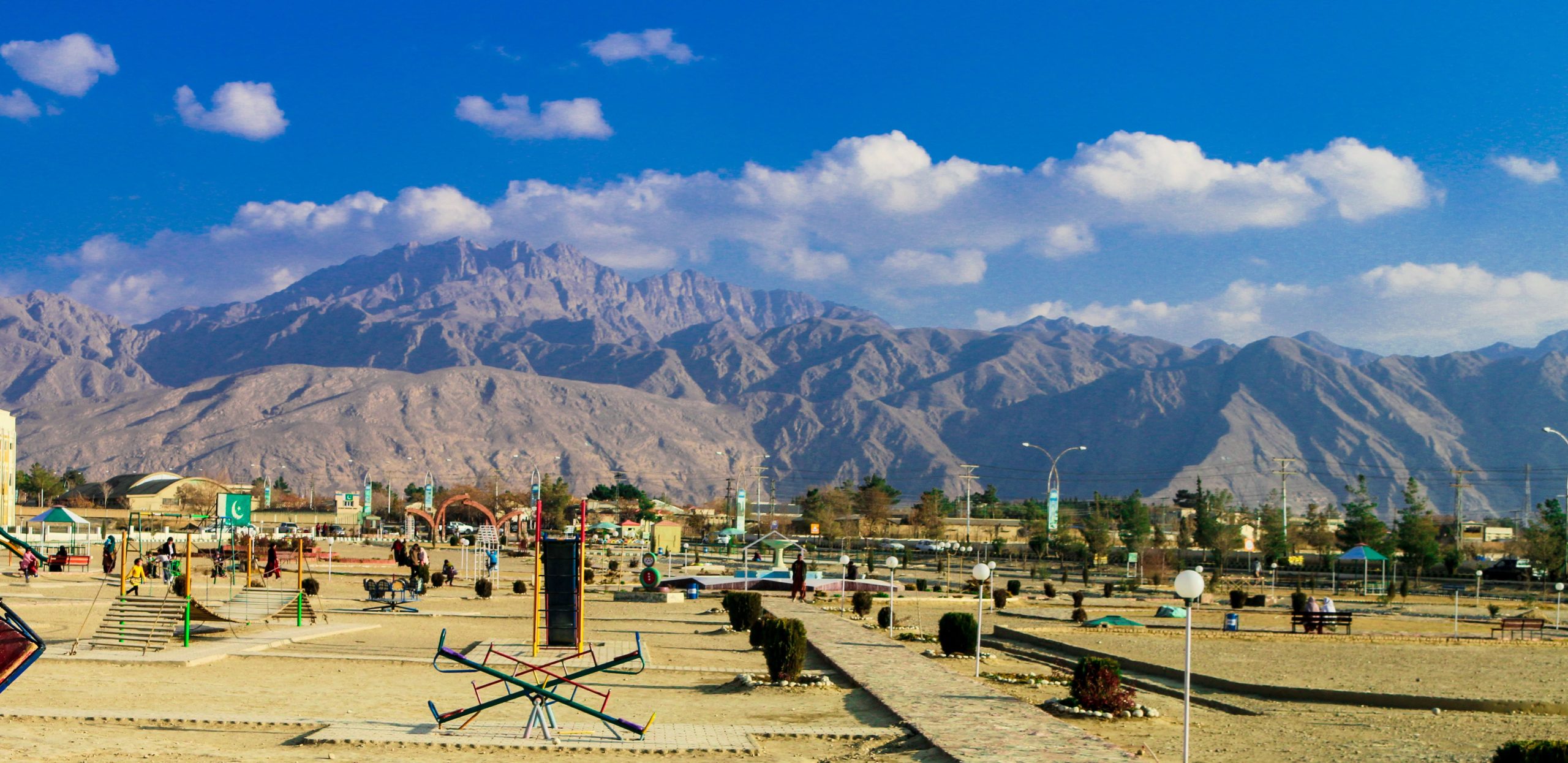
By targeting the rail link to Quetta, the attackers attempted to:
- Sunder the Connection: Physically and symbolically cut off a major city from the national capital and other hubs.
- Demonstrate State Impotence: Show that the government cannot secure its own most basic infrastructure.
- Economic Sabotage: Induce financial loss by halting trade and movement.
This pattern is seen in various conflict zones globally, where “choke points” in transportation are targeted to isolate populations and force the government to divert massive resources toward guarding static lines rather than conducting offensive operations against militant hideouts.
Looking Toward a Secure Transit Future
As the Jaffar Express resumes its journey, the focus now shifts from immediate recovery to long-term prevention. The resumption of service is a start, but it is not a final solution. The persistence of suicide attacks suggests that the threat remains latent, and the security apparatus must evolve to meet these challenges.
Observers and security experts suggest that the following steps are essential for ensuring the sustainability of the Quetta rail link:
- Integrated Security Corridors: Creating “safe zones” along the most vulnerable stretches of the track.
- Community-Based Monitoring: Incentivizing local populations along the rail route to report suspicious activity, turning the community into a first line of defense.
- Enhanced Passenger Screening: Implementing more rigorous checks at the origin and destination points without causing undue delays.
- Rapid Recovery Protocols: Developing better systems to clear tracks and resume service faster after an incident to minimize the “disruption window” that attackers seek to maximize.
The ability of the state to maintain the Jaffar Express service is a key metric of its control over the region. Every single trip completed without incident is a modest victory for stability and a blow to the objectives of those who seek to destabilize the province.
Frequently Asked Questions
Is the Jaffar Express safe to travel on now?
Officials have resumed service after conducting security sweeps and assessments. While no transport is entirely without risk in high-tension areas, the resumption indicates that the current threat level is deemed manageable by the relevant authorities.
How many people were killed in the recent train bombing?
Reports vary, with some sources stating at least 20 deaths, others mentioning at least 23, and some officials indicating that more than 30 people were killed.
Why was the service to Quetta suspended in the first place?
Service was suspended immediately following a blast—described as a suicide bombing—near the railway tracks to ensure passenger safety and allow security forces to clear the area of any further threats.
What is the significance of the Jaffar Express?
The Jaffar Express is a vital transport link connecting Quetta to other parts of the country, serving as a primary means for both passenger travel and the movement of essential goods.
What happens if train services are stopped again?
Suspensions lead to economic disruption, the isolation of the Quetta region, and increased pressure on road transport, which can be more dangerous and expensive for civilians.
