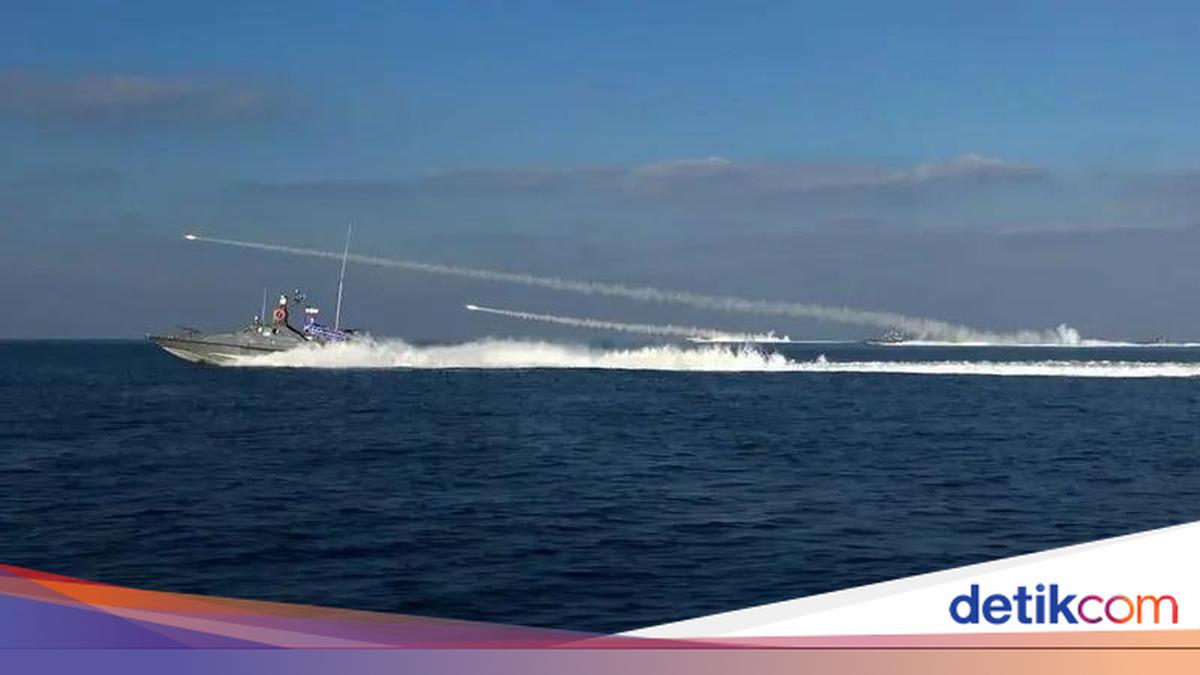
Middle East tensions surged as Iran launched a wave of missiles and drones targeting United States warships, triggering a series of retaliatory strikes and regional alarms across the Gulf.
- Iranian Actions: Launched missiles and drones at U.S. Naval vessels; missiles impacted areas in Bahrain and Kuwait.
- U.S. Response: Intercepted Iranian missiles in the Strait of Hormuz and conducted strikes on Iranian radar installations.
- Regional Impact: Saudi Crown Prince Mohammed bin Salman expressed strong condemnation of Iran’s actions.
Naval Confrontations in the Strait of Hormuz
The escalation began with Iranian forces deploying drones and missiles aimed at U.S. Warships. According to media reports, the United States military successfully intercepted Iranian missiles within the Strait of Hormuz, a critical maritime chokepoint for global energy shipments.
Regional Spillovers and U.S. Retaliation
The conflict extended beyond the immediate naval engagement. Reports indicate that Iranian missiles reached Bahrain and Kuwait, causing significant explosions in those territories.

In response to these provocations, the U.S. Military targeted Iranian radar sites. These strikes resulted in a series of explosions at the installations, according to local news reports.
Diplomatic Fallout in Saudi Arabia
The military volatility has drawn sharp reactions from neighboring powers. Saudi Crown Prince Mohammed bin Salman expressed intense anger toward Iran following the escalation, signaling a deepening diplomatic rift between Riyadh and Tehran.
