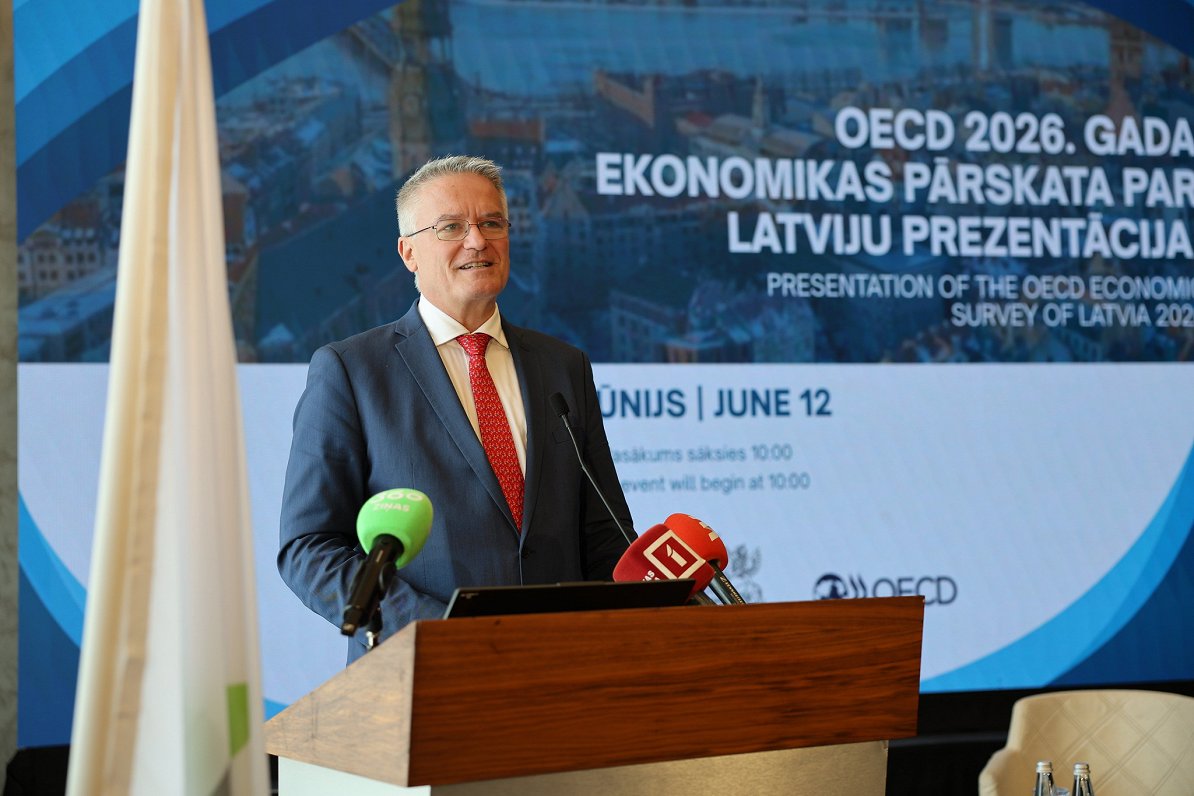
OECD presents numerous ideas to improve Latvia’s economy – Inbox.eu
The Organisation for Economic Co-operation and Development (OECD) will launch its Economic Survey of Latvia on June 12, providing a comprehensive set of recommendations to stimulate national economic growth. The survey aims to deliver actionable ideas to improve the Latvian economy, focusing on systemic efficiencies and long-term sustainability, according to official OECD announcements.
What is the OECD Economic Survey of Latvia?
The OECD Economic Survey is a recurring, in-depth analysis of a member country’s economic health and policy framework. According to the OECD, these surveys serve as a peer-review mechanism where economists analyze data to identify bottlenecks in growth and suggest specific policy shifts. For Latvia, the upcoming June 12 release represents a formal diagnostic of the country’s current fiscal and structural standing.
Unlike general economic reports, the OECD survey focuses on “ideas to improve” the economy by comparing a nation’s performance against other developed economies. This process involves a rigorous collection of data and consultations with government officials, industry leaders, and stakeholders. The goal is to produce a roadmap that the national government can use to refine its legislative and economic strategies.
The survey typically examines several core pillars:
- Fiscal Policy: Assessing government spending and tax structures.
- Labor Markets: Analyzing employment rates, skill gaps, and wage growth.
- Investment: Evaluating the attractiveness of the country for foreign direct investment (FDI).
- Productivity: Identifying ways to increase output per worker through technology or education.
Why the June 12 launch is significant for Latvia
The timing of the survey launch on June 12 is critical as Latvia continues to manage the pressures of inflation, energy transitions, and regional security challenges. According to reports from LSM, the survey is expected to provide “numerous ideas” that could influence the government’s budget priorities and economic planning for the coming year.
International surveys from the OECD often act as a signal to global investors. When the OECD identifies specific areas for improvement and the Latvian government implements those changes, it increases the country’s perceived stability and transparency. This can lead to lower borrowing costs for the state and a higher volume of high-quality foreign investment.
The significance of this release can be broken down into three primary impacts:
| Impact Area | Immediate Effect | Long-term Goal |
|---|---|---|
| Policy Direction | Adjustments to current government initiatives. | Sustainable GDP growth and structural stability. |
| Investor Confidence | Increased visibility of Latvian economic hurdles. | Higher FDI and diversified industrial base. |
| Public Accountability | External validation of domestic economic performance. | Improved governance and efficiency in public services. |
How OECD recommendations influence national policy
While the OECD cannot mandate changes to Latvian law, its recommendations carry substantial weight due to the organization’s reputation for data-driven analysis. According to the OECD’s operational framework, the survey process is designed to foster “policy dialogue” between the organization and the member state.
When the OECD presents ideas to improve the economy, the Latvian government typically responds through a series of policy reviews. This often involves the Ministry of Finance and the Ministry of Economics assessing which recommendations are politically and fiscally feasible. Historically, OECD suggestions on digitalization and tax simplification have informed legislative updates in various member nations.
The OECD survey process transforms raw economic data into a strategic toolkit, allowing governments to move from reactive crisis management to proactive economic planning.
The implementation process usually follows a specific trajectory:
- Publication: The survey is released (June 12), highlighting specific weaknesses and strengths.
- Analysis: Government agencies review the “numerous ideas” presented in the document.
- Integration: Selected recommendations are integrated into national development plans or annual budgets.
- Monitoring: Future OECD surveys track whether the previous recommendations were adopted and if they produced the intended results.
Comparing OECD surveys with other international economic assessments
To understand the value of the OECD survey, it is helpful to contrast it with other common economic evaluations, such as those conducted by the International Monetary Fund (IMF) or the European Commission.
The IMF often focuses on macroeconomic stability, balance of payments, and immediate financial risks—essentially acting as a “financial firefighter.” In contrast, the OECD takes a broader, more structural approach. According to the organization’s mission, the OECD is more concerned with the “how” of growth—how education systems impact productivity or how regulatory burdens stifle small businesses.
The European Commission’s assessments are often tied to compliance with EU treaties and the requirements for receiving EU funds. The OECD survey is distinct because it is a peer-review process among 38 member countries, meaning Latvia is being measured against a global benchmark of developed economies rather than just its EU neighbors.
This distinction is vital for the Latvian government. While an IMF report might suggest cutting spending to stabilize a currency, an OECD survey is more likely to suggest reforming a specific vocational training program to solve a labor shortage in the manufacturing sector.
Common misconceptions about international economic recommendations
A frequent misconception is that OECD recommendations are “orders” that a country must follow to remain in the organization. In reality, the OECD is a forum for policy coordination. Member states are free to ignore recommendations if they conflict with national priorities or social contracts. However, ignoring consistent warnings about structural weaknesses can lead to a decline in international credit ratings or a loss of competitiveness compared to peer nations.
Another common misunderstanding is that these surveys only focus on negative aspects. According to OECD methodology, the surveys also highlight “best practices”—areas where Latvia may be performing better than other member states. These successes are often documented so that other countries can learn from the Latvian model.
For those seeking a related explainer on Baltic economic trends, it is important to note that the integration of these international recommendations often varies by country based on the political will of the current administration.
Potential focal points for the Latvian economy
While the specific “numerous ideas” will be unveiled on June 12, the OECD’s general focus for Baltic economies typically centers on several recurring challenges. Based on previous OECD trends, the survey for Latvia is likely to address the “productivity gap”—the difference in output per hour worked between Latvia and the OECD average.
Experts suggest that the survey may touch upon the following areas:
- Human Capital: Strategies to reverse brain drain and attract skilled professionals back to Latvia.
- Green Transition: Ideas for decoupling economic growth from carbon emissions, aligning with the European Green Deal.
- Digital Transformation: Moving beyond basic digitalization toward the integration of AI and advanced data analytics in the public sector.
- Demographic Pressures: Addressing the economic impact of an aging population and a shrinking workforce.
By addressing these points, the OECD aims to help Latvia move from a medium-income economy to a high-income economy with sustainable, inclusive growth.
Frequently Asked Questions about the OECD survey of Latvia
When will the OECD release its ideas for the Latvian economy?
The OECD is scheduled to launch the Economic Survey of Latvia on June 12. This event will mark the official presentation of the organization’s recommendations and analysis.
What is the primary goal of the OECD Economic Survey?
The primary goal is to provide member countries with evidence-based policy recommendations to improve economic performance, increase productivity, and ensure sustainable growth.
Does the Latvian government have to implement the OECD’s ideas?
No. The recommendations are not mandatory. The Latvian government reviews the suggestions and decides which ones to implement based on national interests and available resources.
How does an OECD survey differ from an IMF report?
The IMF generally focuses on short-term financial stability and macroeconomic risks, while the OECD focuses on long-term structural reforms, productivity, and social-economic policy.
Who is involved in the creation of the survey?
The survey is produced by OECD economists through a combination of data analysis and direct consultations with Latvian government officials and various economic stakeholders.
