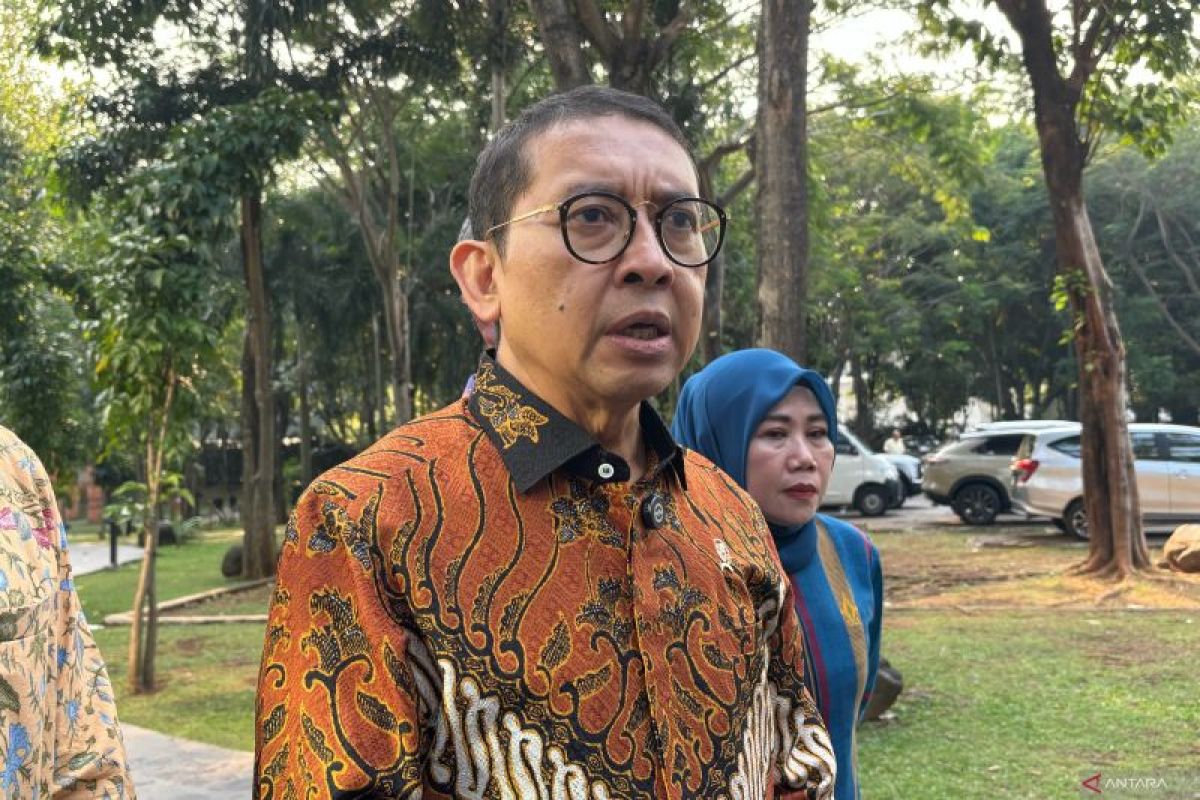
Indonesia returns to UNESCO heritage committee after 12 years – ANTARA News: RI Joins Intangible Cultural Heritage Body for 2026-2030
Indonesia has been elected to the UNESCO Intangible Cultural Heritage Committee for the 2026-2030 term, marking a return to the decision-making body after a 12-year absence. According to reports from ANTARA News and Tempo.co, the election grants Indonesia a seat in evaluating and designating global cultural traditions for the next four years.
What is the UNESCO Intangible Cultural Heritage Committee?
The UNESCO Intangible Cultural Heritage Committee is the governing body responsible for implementing the 2003 Convention for the Safeguarding of the Intangible Cultural Heritage. Unlike World Heritage sites, which focus on physical monuments and natural landscapes, this committee oversees “living heritage.” This includes oral traditions, performing arts, social practices, rituals, festive events, and the knowledge and skills to produce traditional crafts.
According to UNESCO guidelines, the committee’s primary role is to examine nomination files submitted by member states and decide which elements are inscribed on the Representative List of the Intangible Cultural Heritage of Humanity. They also manage the List of Intangible Cultural Heritage in Need of Urgent Safeguarding and the Register of Good Safeguarding Practices.
By securing a seat for the 2026-2030 period, Indonesia gains a direct vote in the selection process. This position allows the country to influence the criteria used to evaluate cultural expressions from around the world and ensures that the perspectives of Southeast Asian heritage are represented during the deliberation process.
Why does Indonesia’s return after 12 years matter?
The 12-year gap in membership represents a significant period of absence from the primary table where global cultural standards are set. According to ANTARA News, the return to the committee signifies a restoration of Indonesia’s active role in international cultural governance.
For a nation with one of the highest numbers of intangible heritage elements globally, being absent from the committee meant Indonesia could nominate its traditions for recognition but could not vote on the nominations of other countries or participate in the internal debates that shape the Convention’s evolution. The return for the 2026-2030 term suggests a strategic shift toward more aggressive cultural diplomacy.
The significance of this return can be broken down into three primary areas:
- Diplomatic Leverage: Membership provides a platform to build alliances with other member states, facilitating smoother nomination processes for future Indonesian heritage bids.
- Policy Influence: Indonesia can now contribute to the development of safeguarding policies, ensuring that the definition of “heritage” evolves to include diverse, non-Western traditions.
- Global Visibility: Holding a seat on a UNESCO committee elevates the country’s status as a “cultural powerhouse,” reinforcing its image as a leader in diversity and pluralism.
How will this membership impact Indonesia’s cultural nominations?
While membership on the committee does not guarantee that every Indonesian nomination will be accepted—as the process remains bound by strict UNESCO criteria—it provides the country with a deeper understanding of the committee’s current priorities. Indonesia can better align its future applications with the specific requirements that the current committee members value.
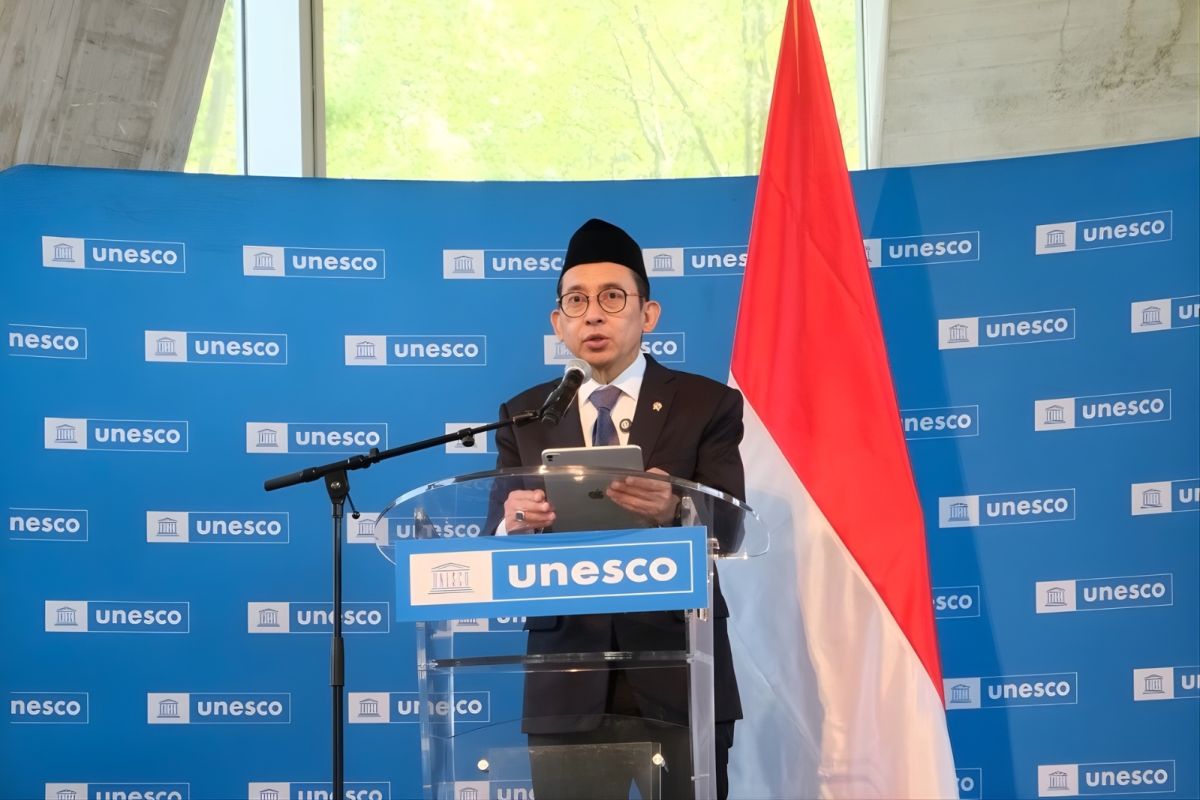
Indonesia has already successfully inscribed numerous elements on the UNESCO list. The ability to now sit on the committee allows the government to analyze why certain nominations from other countries succeed while others fail, creating a feedback loop that improves the quality of Indonesian submissions.
| Aspect of Influence | Previous Status (Non-Member) | New Status (2026-2030 Member) |
|---|---|---|
| Voting Power | No vote on global inscriptions | Full voting rights on all nominations |
| Criteria Shaping | Followed existing rules | Can propose changes to evaluation metrics |
| Diplomatic Access | External applicant | Internal decision-maker |
What is the role of “Intangible Heritage” in national identity?
Intangible heritage differs from tangible heritage because it exists in the minds and bodies of practitioners. According to the 2003 Convention, these traditions are transmitted from generation to generation, providing a sense of identity and continuity. For Indonesia, this is a critical tool for national unity across its thousands of islands.
The recognition of elements like Batik, Wayang, and Pencak Silat by UNESCO serves as an international validation of Indonesian identity. When the state participates in the committee, it is not merely protecting old customs but is engaging in a modern struggle to define how traditional knowledge is valued in a globalized economy.
“The election to the UNESCO Intangible Cultural Heritage Committee for 2026-2030 allows Indonesia to contribute more actively to the safeguarding of world culture while promoting its own rich diversity.”
This membership also intersects with Indonesia’s broader goals of promoting “creative economy” sectors. By safeguarding the traditional knowledge behind crafts and performing arts, the government creates a foundation for sustainable tourism and artisanal industries.
The process of UNESCO Intangible Heritage inscription
To understand the power Indonesia now wields, it is necessary to examine how the committee operates. The process for a tradition to be recognized as “Intangible Cultural Heritage of Humanity” is rigorous and involves several stages:
- Community Consent: The tradition must be identified and supported by the practitioners themselves. UNESCO does not accept “top-down” nominations from governments without community proof.
- Nomination File: The state party submits a detailed dossier describing the element, its social function, and the plan for its safeguarding.
- Technical Review: An evaluation body of experts reviews the file for completeness and authenticity.
- Committee Decision: The Intangible Cultural Heritage Committee—the body Indonesia has just joined—makes the final decision to inscribe or reject the element.
Because Indonesia now occupies a seat in the final stage of this process, it can engage in the “lobbying” and diplomatic discussions that often occur before the final vote. This is a critical component of international relations that happens behind the scenes of the official UNESCO sessions.
Potential challenges and responsibilities for Indonesia
Membership in the committee is not without its burdens. Indonesia is now expected to be a fair and objective judge of other nations’ cultural claims. This requires a high level of expertise in cultural anthropology and international law.
One of the primary challenges will be balancing national interests with the committee’s mandate. Indonesia must avoid the perception of “bloc voting” while still advocating for the interests of the Global South. Furthermore, the committee often deals with sensitive issues, such as overlapping claims to cultural heritage between neighboring countries.
The responsibility also extends internally. By joining the committee, Indonesia signals to the world that it is committed to the highest standards of safeguarding. This puts pressure on the Indonesian government to ensure that its own inscribed heritage elements are not just “trophies” but are actively protected and passed down to younger generations through education and funding.
For more context on how Indonesia manages its sites, see a related explainer on UNESCO World Heritage sites in Indonesia.
Comparative Analysis: Member vs. Non-Member Dynamics
When comparing the reports from ANTARA News and Tempo.co, both outlets emphasize the timeline—specifically the 12-year gap. However, the framing differs slightly. ANTARA News focuses on the achievement of the election as a diplomatic victory, while Tempo.co highlights the specific term (2026-2030) as a window for future cultural strategy.
This distinction is important. A diplomatic victory is a snapshot in time, but a four-year term is a strategic opportunity. The “information gain” here is that Indonesia’s return is timed with a period of increasing global interest in “decolonizing” heritage. By returning now, Indonesia enters the committee at a moment when the global community is more open to non-Western definitions of what constitutes “valuable” culture.
Unlike its previous tenure over a decade ago, Indonesia now enters this role with a much larger portfolio of inscribed elements. This gives the country more “street credit” or authority when speaking on the technicalities of safeguarding, as it has more real-world experience managing diverse heritage elements than it did 12 years ago.
Frequently Asked Questions
What is the difference between the World Heritage Committee and the Intangible Cultural Heritage Committee?
The World Heritage Committee manages physical sites (like Borobudur or Komodo National Park). The Intangible Cultural Heritage Committee manages “living” traditions (like Batik or Wayang), focusing on practices, knowledge, and skills rather than buildings or landscapes.
When does Indonesia’s term on the committee officially begin?
According to reports from ANTARA News and Tempo.co, Indonesia has been elected for the 2026-2030 term, meaning its active decision-making role will span those years.
Does being on the committee mean all Indonesian cultural bids will be accepted?
No. All nominations must still pass a rigorous technical review and meet the criteria of the 2003 Convention. However, membership allows Indonesia to participate in the discussions and votes that lead to the final decision.
Why was Indonesia absent from the committee for 12 years?
The sources do not specify the exact reason for the previous absence, but membership in UNESCO committees is based on election cycles among member states. The recent election marks the successful bid to return to the body.
How does this affect the average Indonesian citizen?
While the committee’s work is diplomatic, the result is the global recognition of local traditions. This can lead to increased international respect for Indonesian culture, a boost in cultural tourism, and more government funding for the preservation of local arts and crafts.
As Indonesia prepares to take its seat in 2026, the focus will likely shift toward identifying new cultural elements for nomination and strengthening the safeguarding mechanisms for existing ones. The next four years will determine if this return translates into a lasting increase in Indonesia’s global cultural influence.
