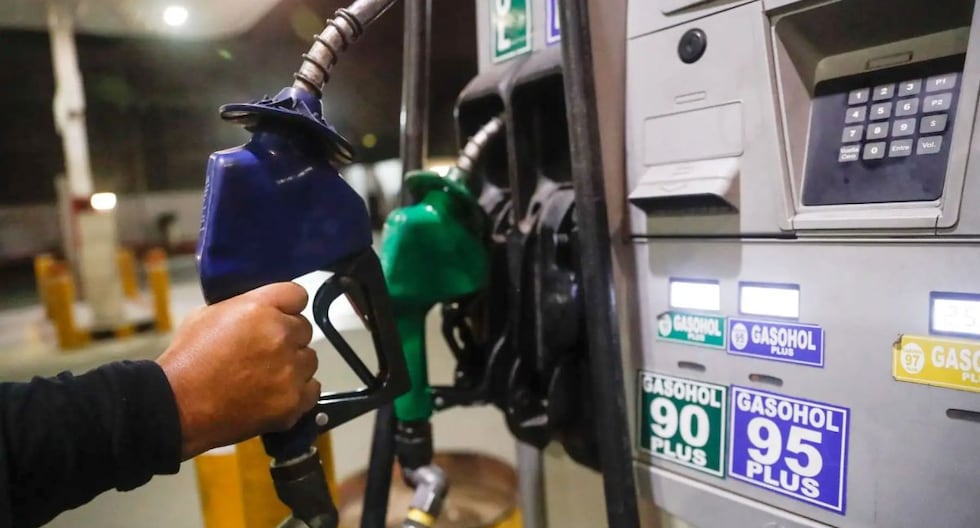
The price of crude oil fell to $75 per barrel in Texas after a diplomatic agreement between the United States and Iran eased tensions in the Strait of Hormuz, according to multiple reports. This decline has sparked discussions about potential impacts on fuel prices in Peru, where gasoline costs remain closely tied to global oil market fluctuations.
What triggered the oil price decline?
The drop in oil prices followed a reported agreement between U.S. and Iranian officials to resume diplomatic talks, reducing fears of supply disruptions in the critical maritime chokepoint. The Texas crude benchmark fell to $75 on Monday, marking a 4% decrease from the previous week, as per data from energy analysts. A spokesperson for the U.S. Department of Energy confirmed the price movement aligned with global market signals, though no official statement addressed the specific diplomatic negotiations.

How is the agreement affecting regional markets?
European energy giant Orlen, the largest listed company in Central Europe, saw its stock fall by 6% as oil prices declined, according to XTB.com. The company’s financial performance has historically correlated with global oil benchmarks, with analysts noting that lower crude prices could compress margins for refining operations. Meanwhile, Peruvian energy authorities have not yet announced changes to domestic fuel pricing mechanisms, which remain regulated by the Ministry of Energy and Mines.
What do experts say about Peru’s fuel prices?
Analysts at Perú 21, a local business publication, noted that Peru’s gasoline prices typically lag behind global oil market movements by two to three weeks due to government-controlled pricing formulas. “The immediate impact on consumers may be minimal,” said an energy economist at the Universidad del Pacífico, “but long-term effects depend on how the government adjusts its subsidy policies.”
Industry observers also highlighted the role of OPEC+ production decisions in shaping price trends. A separate report from El Comercio Perú indicated that the Organization of Petroleum Exporting Countries is maintaining current output levels, which could stabilize prices in the short term despite the U.S.-Iran developments.
What’s next for oil markets?
Market participants are closely monitoring developments in the Middle East, with analysts at Revista Caretas suggesting that sustained price declines would require additional supply-side adjustments. The International Energy Agency is scheduled to release its monthly outlook on June 15, which could provide further clarity on global demand projections.
