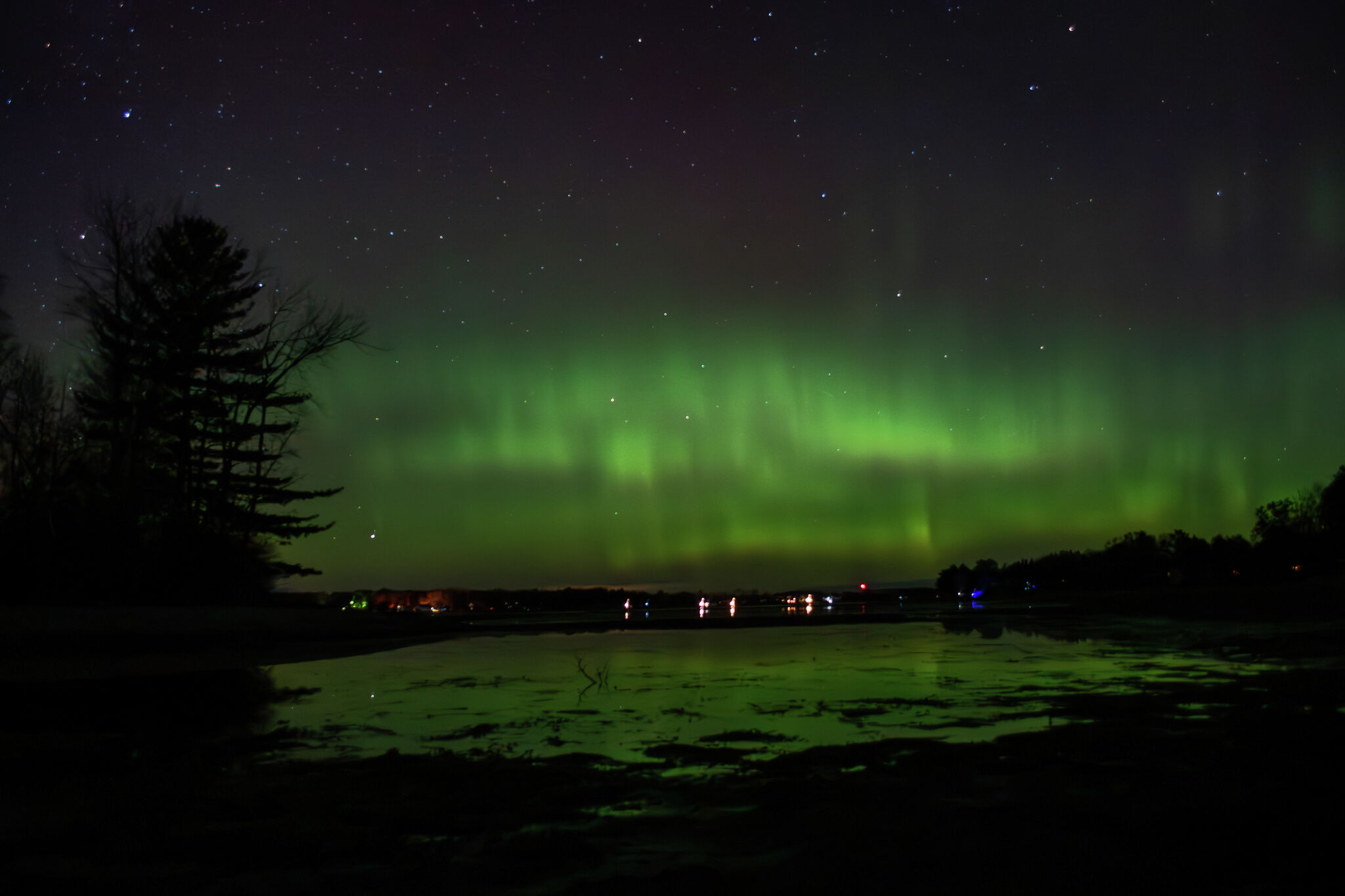
Enhanced Northern Lights Visibility Amid Rising Geomagnetic Activity
Recent developments in space weather monitoring have revealed an uptick in geomagnetic activity, significantly increasing the likelihood of observing the mesmerizing aurora borealis. For stargazers and science enthusiasts, this surge in solar-driven phenomena offers a rare opportunity to witness nature’s celestial display. The current conditions, driven by heightened solar wind interactions, have prompted experts to share actionable insights for maximizing viewing potential.
The Science Behind the Spectacle
The shimmering auroras that dance across polar skies are the result of complex interactions between solar particles and Earth’s magnetic field. When charged particles from the sun collide with atmospheric gases, they produce the vibrant light displays that have captivated humans for centuries. Recent solar activity, including coronal mass ejections (CMEs) and high-speed solar wind streams, has intensified these effects.
According to space weather analysts, the current geomagnetic storm is classified as moderate to strong, with disturbances reaching levels that could trigger auroral activity as far south as the northern United States and northern Europe. This phenomenon occurs when the solar wind’s magnetic field aligns with Earth’s, allowing particles to enter the atmosphere more efficiently.
Key Factors Influencing Visibility
- Solar Activity: Increased sunspot activity and solar flares contribute to higher particle flux.
- Magnetic Field Orientation: The alignment of the interplanetary magnetic field (IMF) with Earth’s field determines storm intensity.
- Atmospheric Conditions: Clear skies and minimal light pollution are critical for optimal viewing.
Practical Tips for Maximizing Your Aurora Experience
For those eager to witness this natural phenomenon, careful planning can greatly enhance the chances of success. Here are essential guidelines to consider:
Choosing the Right Location
Opt for remote areas with minimal artificial light. National parks, rural reserves, and designated dark sky preserves offer ideal conditions. Tools like the Aurora Forecast app or the NOAA Space Weather Prediction Center can help identify optimal viewing spots.
Timing Your Observation
The best time to view auroras is typically between 10 PM and 2 AM local time, when the sky is darkest. Check real-time geomagnetic activity indices like the Kp index, which measures disturbance levels on a scale from 0 to 9. A Kp value of 5 or higher indicates a strong chance of visible auroras.
Preparing for the Night
- Clothing: Dress in layers to combat cold temperatures, especially in higher latitudes.
- Equipment: Use a tripod for long-exposure photography and consider a red-light flashlight to preserve night vision.
- Patience: Auroras can be unpredictable; stay for at least an hour to increase chances of seeing activity.
Expert Perspectives and Historical Context
Dr. Elena Martinez, a solar physicist at the European Space Agency, explains, “The current storm is part of the sun’s natural 11-year cycle, which has entered a phase of increased activity. While not as intense as the 2003 Halloween storms, this event provides valuable data for studying space weather impacts.” Historical records show that similar geomagnetic disturbances have led to spectacular auroral displays, with some events visible as far south as Florida and Texas.
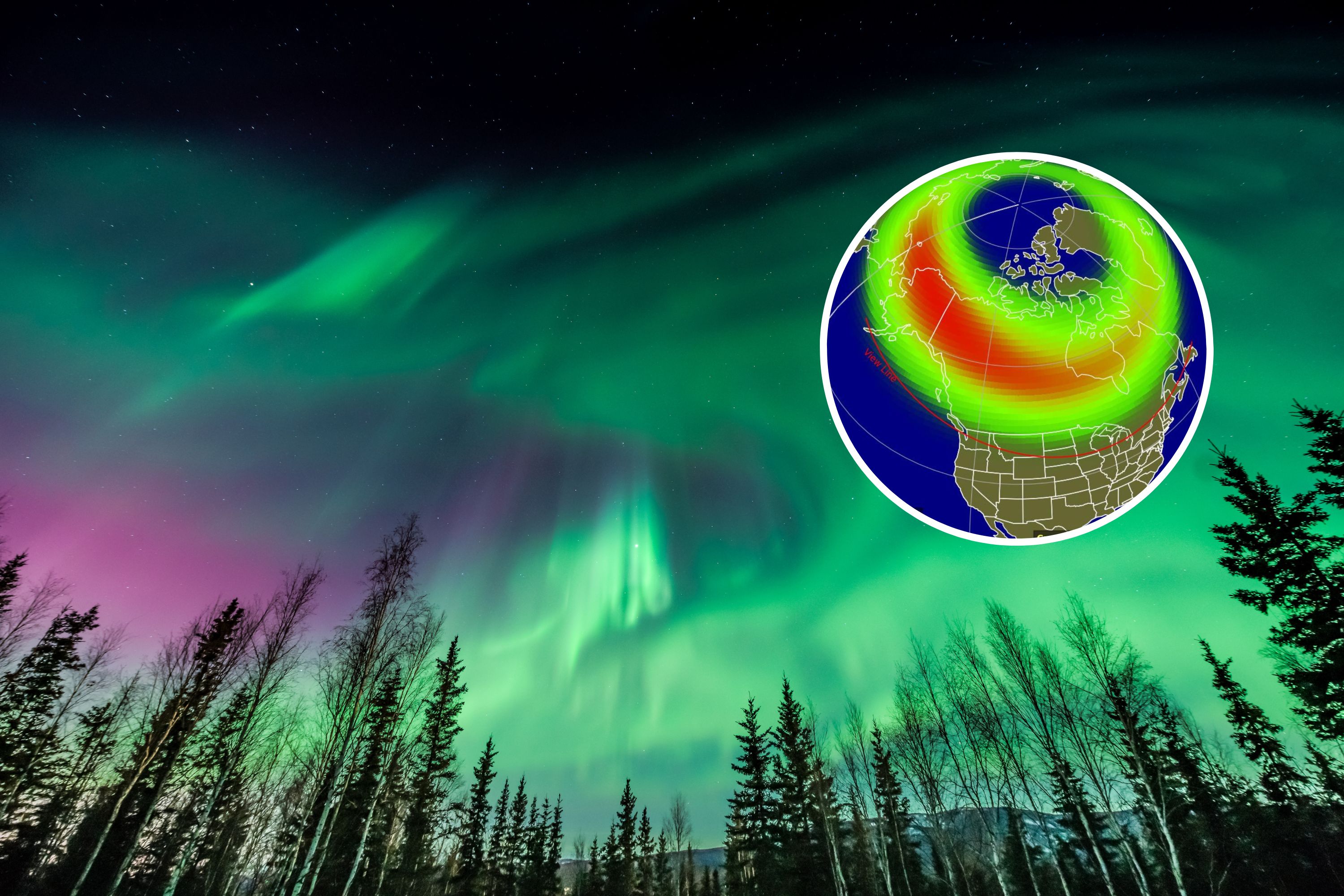
Comparisons to past events highlight the significance of this activity. The 1989 geomagnetic storm, for instance, caused power outages in Quebec and created auroras visible in the southern U.S. While today’s storm is less severe, it still offers a rare opportunity for those in mid-latitudes to experience the phenomenon.
Implications for Technology and Society
While the aurora itself is a breathtaking sight, the underlying geomagnetic activity can have practical consequences. Strong solar storms can disrupt satellite communications, GPS signals, and power grids. Utility companies and space agencies monitor these events closely to mitigate potential risks.
For the general public, the primary concern is ensuring safe viewing conditions. Avoid using electronic devices with bright screens, as they can interfere with night vision. Be mindful of local regulations in protected areas and respect wildlife habitats.
Common Misconceptions and Clarifications
Several myths surround auroral phenomena. One prevalent misconception is that the lights are visible year-round. In reality, they require dark skies and specific atmospheric conditions, making winter the optimal season in polar regions. Another common belief is that auroras are always green, but they can also appear in shades of red, blue, and purple depending on atmospheric composition and particle energy levels.
It’s also significant to note that while some people claim to hear sounds associated with auroras, scientific studies have not confirmed this phenomenon. Most auditory experiences are likely due to environmental factors rather than the lights themselves.
