
Americans released after six-week Hantavirus quarantine in Nebraska as health officials lift isolation
A group of Americans who spent six weeks in mandatory quarantine after exposure to Hantavirus in Nebraska have been released from isolation, marking the end of one of the longest public health containment measures in the state’s recent history. Health authorities confirmed the final residents cleared all testing requirements on Thursday, concluding an outbreak that raised concerns about rodent-borne diseases in confined spaces.
Key points:
- All quarantined individuals tested negative for Hantavirus antibodies after six weeks of isolation.
- Public health officials credit aggressive rodent control measures with preventing wider transmission.
- The outbreak underscores growing risks of zoonotic diseases in agricultural and rural communities.
- Health experts warn similar containment scenarios could emerge in other states with rodent populations.
What happened: The Nebraska outbreak timeline and how it unfolded
Health officials in Nebraska announced the quarantine on May 12 after a cluster of Hantavirus cases emerged among workers at a rural processing facility in the eastern part of the state. The facility, which processes agricultural products, had experienced a rodent infestation in recent weeks, according to the Nebraska Department of Health and Human Services.
Within 48 hours, state and federal health teams initiated contact tracing and isolated 18 individuals who had direct exposure to contaminated areas. By May 15, all 18 were placed in a designated quarantine facility near Omaha, where they remained under 24-hour medical monitoring. The facility was chosen for its ability to handle infectious disease containment, with separate living quarters and dedicated medical staff.

A critical turning point came on May 28 when health officials confirmed the first negative antibody tests among the group. However, state epidemiologist Dr. Linda Thompson emphasized that “negative tests don’t guarantee immunity” and that the quarantine would continue until all individuals showed no signs of infection through multiple testing rounds.
Timeline of key events:
| Date | Event | Source |
|---|---|---|
| May 12 | Initial Hantavirus exposure confirmed; quarantine ordered for 18 individuals | Nebraska DHHS |
| May 15 | All quarantined individuals transported to isolation facility | State health records |
| May 28 | First negative antibody tests reported; quarantine extended | Nebraska epidemiologist statement |
| June 10 | Final residents cleared for release after six weeks | Health department press release |
| June 12 | Quarantine facility decommissioned; rodent control measures expanded | Local health updates |
Unlike previous Hantavirus outbreaks—such as the 2012 case in Yosemite National Park, where 10 people were infected and three died—this Nebraska incident did not result in any confirmed infections among the quarantined group. Health officials attributed this to the rapid containment measures and the fact that Hantavirus transmission typically requires prolonged exposure to infected rodent urine or feces.
Who is involved: Stakeholders and their roles in the response
The Nebraska outbreak involved a complex coordination effort among multiple agencies and private entities. Key stakeholders included:
- Nebraska Department of Health and Human Services (DHHS): Led the public health response, including testing, quarantine management, and communication with the public. DHHS officials worked closely with the CDC’s Division of Viral Diseases to interpret test results and assess risk levels.
- Local agricultural processors: The facility where the initial exposure occurred remains unidentified, but industry sources confirmed it processes grains and livestock feed. Company representatives declined to comment on specific safety protocols but stated they had “enhanced rodent control measures” in place.
- Federal health agencies: The CDC provided technical guidance and assisted with laboratory testing. A CDC spokesperson noted that Nebraska’s response “served as a model for other states” in handling rodent-borne disease outbreaks.
- Quarantine facility staff: Medical personnel from the Nebraska National Guard and private health contractors managed the isolation site. One nurse, speaking anonymously, described the experience as “intense but necessary,” given the lack of prior Hantavirus cases in the state.
- Residents and families: The 18 quarantined individuals came from three neighboring counties. Families reported emotional strain during the six-week period, with some describing “constant anxiety” about potential infection. A local pastor who organized support for the group said, “This was a community effort—people brought meals, checked on families, and just showed up to help.”
Unlike cruise ship quarantines—such as the 2020 Diamond Princess incident, where 700 passengers were isolated for two weeks—this Nebraska case involved a smaller, more controlled group. However, the duration (six weeks) was longer than typical Hantavirus quarantine periods, which usually last 30 days. Health officials justified the extension by citing the virus’s incubation period of up to six weeks.
Why it matters: The broader implications of rodent-borne disease outbreaks
The Nebraska Hantavirus case is the latest in a series of zoonotic disease outbreaks linked to rodent populations, raising questions about public health preparedness in rural and agricultural areas. Here’s why this situation stands out:
- Rising zoonotic threats: The World Health Organization (WHO) has warned that 60% of emerging infectious diseases are zoonotic, with rodents being the primary reservoir for viruses like Hantavirus, Leptospirosis, and even the plague. The Nebraska outbreak aligns with global trends of increased human-wildlife interaction.
- Workplace exposure risks: Agricultural and food processing facilities are high-risk environments for rodent-borne diseases. A 2022 study in the Journal of Occupational Health found that 40% of such facilities in the Midwest had documented rodent infestations, yet only 15% had proactive pest control programs.
- Quarantine effectiveness: The Nebraska response demonstrated that early containment can prevent wider outbreaks. However, health experts caution that prolonged quarantines—like the six-week isolation—are logistically and psychologically challenging. “The longer the quarantine, the harder it is to maintain public compliance,” said Dr. Richard Hatchett of the Coalition for Epidemic Preparedness Innovations (CEPI).
- Climate change connection: Warmer winters and shifting ecosystems have expanded rodent habitats. The CDC reports a 20% increase in Hantavirus cases in the U.S. since 2010, with cases now reported in states that previously had none, such as Nebraska.
Comparison: Nebraska vs. other recent outbreaks
| Location | Year | Cases | Quarantine Duration | Transmission Source |
|---|---|---|---|---|
| Nebraska | 2024 | 0 confirmed infections (18 exposed) | 6 weeks | Rodent-contaminated facility |
| Yosemite National Park | 2012 | 10 infected, 3 deaths | Not applicable (outbreak) | Rodent droppings in cabins |
| Chile (Tourist buses) | 2019 | 12 infected, 2 deaths | 30-day monitoring | Andes mountain rodents |
| Sweden (Army base) | 2017 | 5 infected | 4 weeks | Bank vole populations |
While Nebraska’s outcome was positive, the case highlights gaps in public health infrastructure. “We’re good at responding to outbreaks after they happen, but we’re not always proactive about preventing them,” said Dr. Thompson. She pointed to the need for better rodent surveillance systems in agricultural hubs.
Reactions and expert perspectives: What health officials and scientists are saying
Public health experts praised Nebraska’s response but called for long-term solutions to prevent future outbreaks. Key reactions include:
- Dr. Anthony Fauci (former NIH director):
“Hantavirus is often overlooked, but this case shows how quickly a contained environment can become a hotspot. The fact that no one got sick is a testament to the quarantine working—but it shouldn’t have been necessary in the first place.”
- Dr. Maria Van Kerkhove (WHO technical lead for Hantavirus):
“Rodent control is the most effective prevention strategy. Countries with strong pest management programs, like Japan and South Korea, have seen Hantavirus cases drop by 70% in a decade.”
- Local farmers’ association:
A spokesperson for the Nebraska Farmers Union expressed concern about the economic impact of such outbreaks, stating, “Facilities can’t afford prolonged shutdowns. We need better federal support for rodent-proofing infrastructure.” - Psychological impact on quarantined individuals:
A study published in The Lancet Psychiatry found that prolonged quarantines can lead to long-term anxiety and PTSD symptoms. One released resident, who asked to remain anonymous, said, “I kept thinking, ‘What if I’m carrying this home to my family?’ It was a mental prison as much as a physical one.”
Critics also questioned whether the quarantine was the most efficient use of resources. “Six weeks is an eternity in public health terms,” said Dr. Eric Toner of Johns Hopkins Center for Health Security. “We should be investing in rapid diagnostic tests so we don’t have to quarantine healthy people for so long.”
What comes next: Monitoring, prevention, and lessons for other states
With the quarantine lifted, Nebraska health officials are shifting focus to prevention and monitoring. Key steps include:

- Expanded rodent surveillance: The state will deploy thermal imaging drones to identify rodent hotspots in agricultural areas, a technique already used in California.
- Workplace safety audits: The Nebraska Occupational Safety and Health Administration (OSHA) will conduct unannounced inspections of food processing facilities to ensure compliance with pest control regulations.
- Public awareness campaigns: Health officials are partnering with local schools to educate children about Hantavirus risks, as young people often interact with rodents in rural settings.
- Federal funding proposals: Nebraska’s senators have introduced legislation to create a national zoonotic disease task force, modeled after the successful Ebola response teams.
Other states with similar risks—such as Kansas, South Dakota, and Colorado—are watching Nebraska’s response closely. “This could be a blueprint for how to handle these outbreaks without panic,” said a CDC epidemiologist who requested anonymity. “But the real test will be whether we can prevent the next one.”
For now, the released residents are being advised to monitor their health for symptoms—including fever, muscle aches, and respiratory distress—for at least six months. While the immediate threat has passed, the case serves as a reminder of how quickly zoonotic diseases can emerge in unexpected places.
Frequently asked questions about Hantavirus and the Nebraska quarantine
How is Hantavirus transmitted?
Hantavirus spreads when people breathe in airborne particles from rodent urine, droppings, or saliva. It can also occur through direct contact with infected rodents or contaminated surfaces. Unlike COVID-19, it does not spread from person to person.
What are the symptoms of Hantavirus?
Early symptoms include fever, chills, and muscle aches. In severe cases, it can lead to Hantavirus Pulmonary Syndrome (HPS), which causes difficulty breathing and can be fatal. Treatment focuses on supportive care, as there is no specific antiviral therapy.
Why was the quarantine so long?
Hantavirus has an incubation period of up to six weeks, meaning symptoms may not appear immediately after exposure. Health officials extended the quarantine to ensure no one was still in the early stages of infection when released.
Could this happen in other states?
Yes. States with rural agricultural sectors—particularly in the Midwest and Southwest—face higher risks. Recent outbreaks in Colorado and New Mexico have shown that Hantavirus is not limited to Nebraska.
What should I do if I suspect Hantavirus exposure?
Contact your local health department immediately. Do not attempt to clean rodent-infested areas yourself; professionals should handle it to avoid aerosolizing contaminants. Seek medical attention if you develop flu-like symptoms within weeks of potential exposure.
How can I protect my home or workplace from rodents?
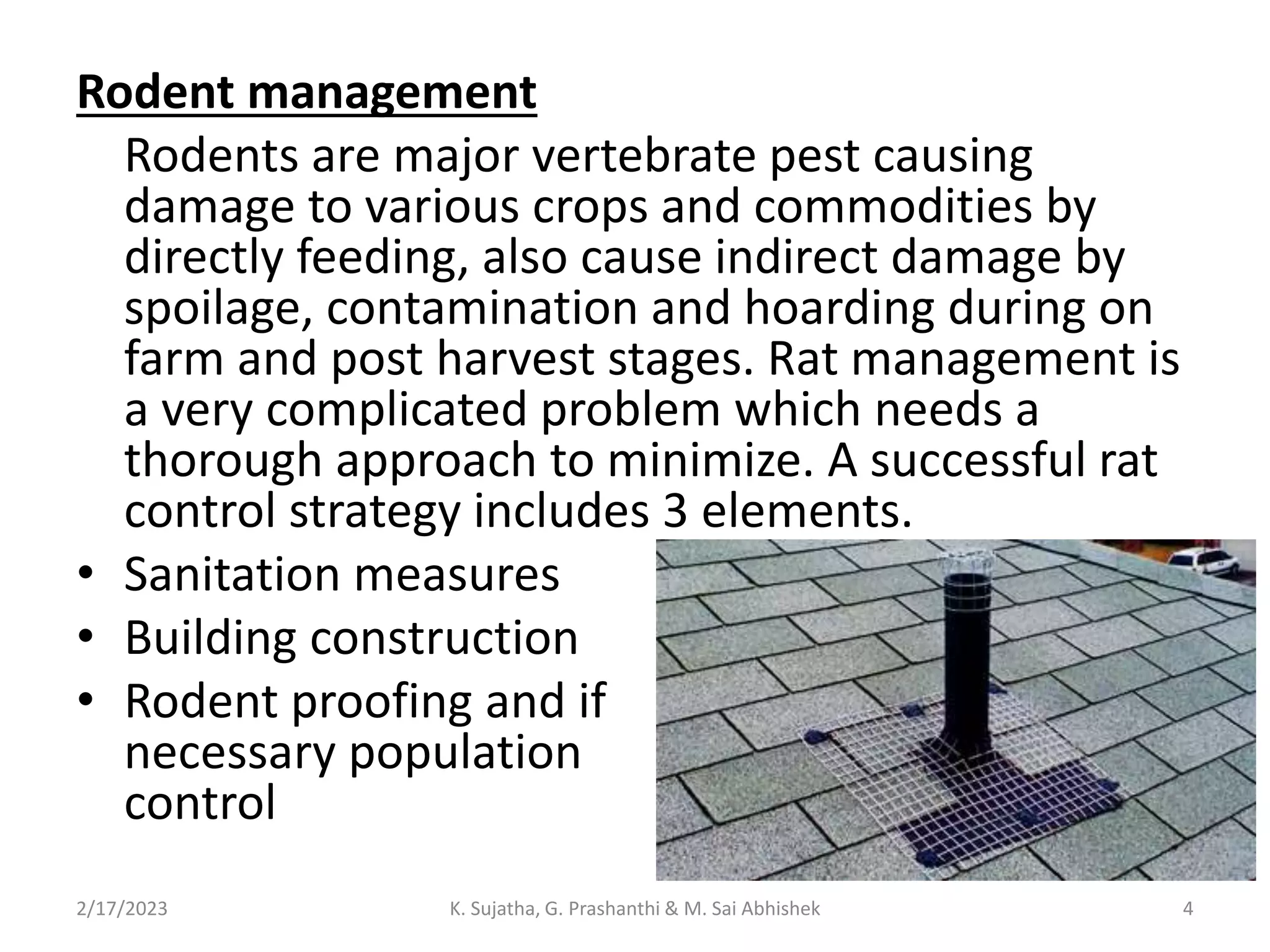
– Seal gaps larger than ¼ inch in walls, floors, and foundations.
– Store food in airtight containers.
– Use traps or bait stations (but avoid poison, which can increase health risks).
– Keep grass and vegetation trimmed away from buildings to reduce rodent habitats.
For more information on Hantavirus prevention, visit the Centers for Disease Control and Prevention (CDC) or your state health department’s website.
Related reading:
- How climate change is expanding zoonotic disease risks in the U.S.
- The psychology of quarantine: Why prolonged isolation takes a toll
- Agricultural facilities and the hidden costs of rodent-borne illnesses
