Nintendo Agrees to 35 Mil Euro French Fine Over Faulty Switch Controllers – Japan Today
Nintendo of Europe has agreed to pay a €35 million fine in France to resolve legal issues stemming from defects in its Switch Joy-Con controllers. The penalty addresses the long-standing problem of “controller drift,” a hardware flaw where the analog sticks register movement without user input, according to reports from Le Monde.fr and GamesIndustry.biz.
What happened with the Nintendo Joy-Con fine in France?
Nintendo has reached an agreement to pay €35 million (approximately $40 million, as reported by Engadget) to French authorities. This financial penalty is the result of a legal battle over the reliability of the Joy-Con controllers bundled with the Nintendo Switch console. The core of the dispute centers on a hardware defect known as “drift,” which has plagued a significant number of users since the console’s launch.
The agreement signifies a resolution to claims that Nintendo failed to adequately address a known hardware flaw that impacted the gameplay experience for millions of consumers. By agreeing to the fine, Nintendo of Europe avoids further protracted legal conflict in one of its most stringent regulatory markets.
Key details of the settlement:
- Total Fine: €35 million.
- Primary Cause: Defects in Switch Joy-Con controllers (Joy-Con drift).
- Jurisdiction: France.
- Entity Involved: Nintendo of Europe.
Understanding the “Joy-Con Drift” defect
The “faulty Switch controllers” mentioned in reports by Japan Today and Yahoo Finance Singapore refer to a specific phenomenon called Joy-Con drift. In simple terms, drift occurs when the analog stick’s internal sensors begin to fail, causing the console to believe the stick is being moved even when it is resting in a neutral position.
For the player, this means a character might walk off a ledge or a menu cursor might slide unexpectedly, often making games unplayable without constant correction. While Nintendo has offered various repair programs over the years, the French authorities determined that the prevalence of the defect warranted a significant financial penalty.
The issue is not merely a matter of wear and tear but is characterized as a “defect” in the hardware’s design or manufacturing process, as highlighted in reporting from Le Monde.fr.
Why did France impose this €35 million penalty?
France is known for having some of the world’s most aggressive consumer protection laws, particularly regarding “planned obsolescence” and the sale of defective goods. The French regulatory environment prioritizes the right of the consumer to receive a product that functions as advertised for a reasonable lifespan.
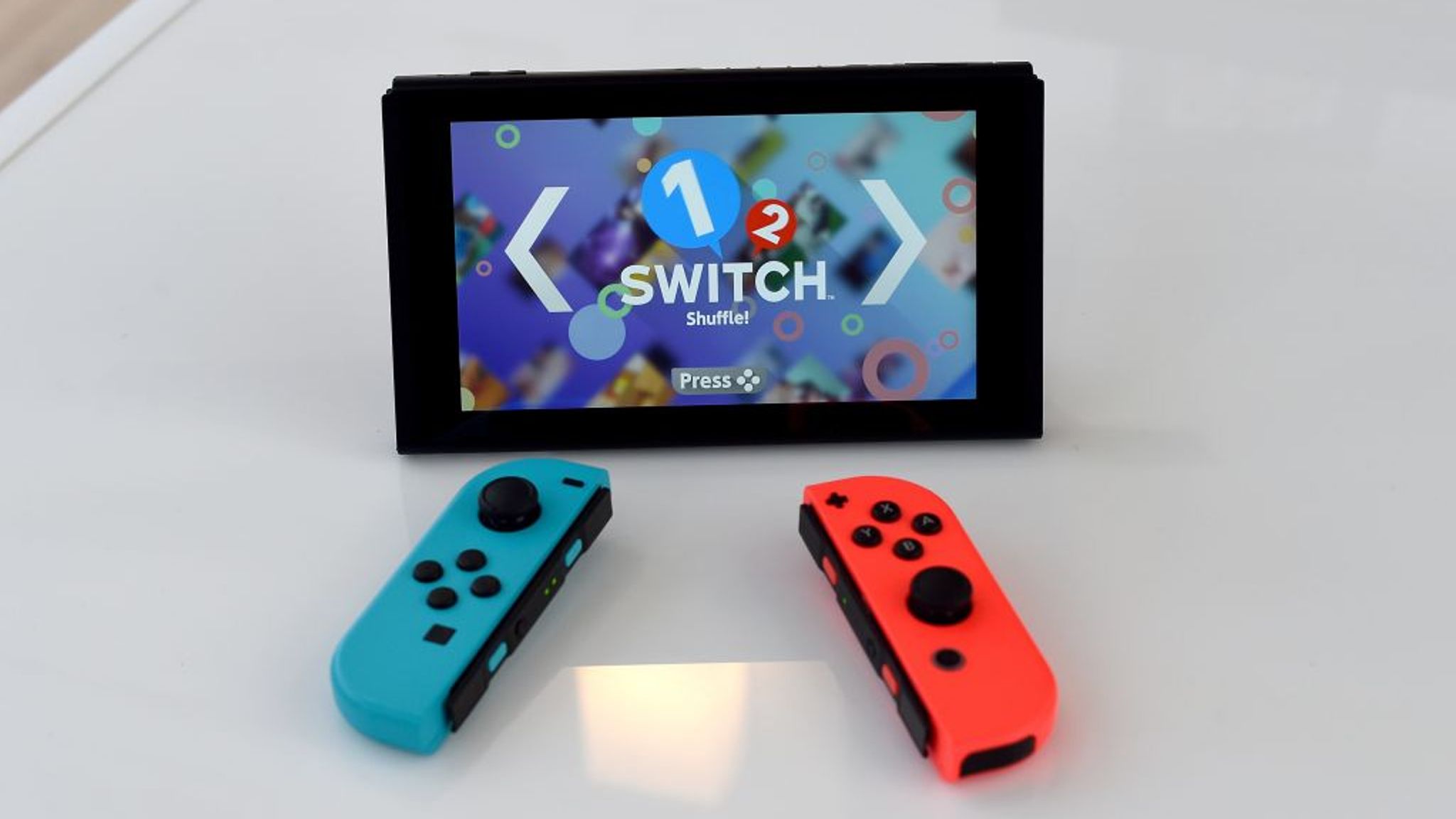
The decision to fine Nintendo suggests that the French government viewed the Joy-Con drift issue not as an isolated series of failures, but as a systemic defect. Under French law, if a company is aware of a defect and continues to sell the product without providing a permanent fix or adequate warning, they can be held liable for significant damages and fines.
Comparison of Media Reporting on the Fine
Different news outlets have framed the story with slight variations in focus, providing a broader view of how the industry is perceiving the event.
| Outlet | Focus of Report | Currency/Figure Used |
|---|---|---|
| Le Monde.fr | Emphasis on the “defect” of the controllers. | €35 million |
| Engadget | Focus on the total cost in US Dollars. | $40 million |
| GamesIndustry.biz | Specificity regarding “Nintendo of Europe.” | €35 million |
| Japan Today | The agreement to pay the fine. | 35 mil euro |
The broader impact on Nintendo of Europe
While €35 million is a substantial sum, it is relatively small compared to Nintendo’s overall global revenue. However, the symbolic weight of the fine is significant. It validates the complaints of a vast user base and sets a legal precedent within the European Union.
This settlement may encourage consumers in other EU member states to seek similar redress. Because EU consumer laws are often harmonized, a victory for French regulators can provide a roadmap for authorities in Germany, Spain, or Italy to pursue similar claims if they find that the hardware defects were handled inadequately in their respective regions.
Potential long-term consequences:
- Increased Scrutiny: Future Nintendo hardware releases will likely face closer inspection by EU regulators.
- Warranty Adjustments: To avoid further fines, Nintendo may be forced to extend warranties or offer more comprehensive replacement programs for controllers.
- Reputational Risk: While the Switch remains a massive commercial success, the “drift” narrative continues to be a point of criticism for the brand’s hardware quality.
Industry precedents and consumer rights
The Nintendo case does not exist in a vacuum. The tech industry has seen several high-profile battles over hardware longevity and “right to repair.” When a company agrees to a fine of this magnitude, it often signals an admission that the cost of litigation and the risk of a larger court-mandated penalty outweigh the cost of the settlement.
By settling, Nintendo can close the chapter on this specific French legal action, but the underlying issue—how companies handle systemic hardware failures—remains a hot topic. This case reinforces the idea that “software updates” cannot always fix “hardware defects,” and that financial penalties are an effective tool for forcing manufacturers to prioritize build quality.
For those interested in how these laws affect other devices, a related explainer on EU consumer protection laws would provide further context on how “planned obsolescence” is handled across the continent.
Common misconceptions about the Joy-Con fine
There are several common misunderstandings regarding this news that require clarification based on the available reports.
Misconception 1: This is a global recall.
The fine is specific to France and was agreed upon by Nintendo of Europe. It is not a global mandate to recall every Joy-Con ever made, although it puts pressure on Nintendo to improve its global repair policies.
Misconception 2: The fine is for “planned obsolescence.”
While the French regulators often investigate planned obsolescence, the reports from Le Monde.fr and others specifically cite “defects” and “faulty controllers.” There is a legal distinction between a product designed to fail and a product that fails due to a manufacturing or design flaw.
Misconception 3: This will bankrupt Nintendo.
As noted, €35 million is a fraction of Nintendo’s capital. The impact is regulatory and reputational rather than an existential financial threat.
Frequently Asked Questions
How much did Nintendo agree to pay in France?
Nintendo of Europe agreed to pay a fine of €35 million, which some outlets, such as Engadget, have estimated to be approximately $40 million.
What is “Joy-Con drift” and why did it lead to a fine?
Joy-Con drift is a hardware defect where the analog sticks on Nintendo Switch controllers register movement even when not being touched. French authorities fined Nintendo because this was viewed as a systemic defect in the controllers sold to consumers.
Which news outlets reported on this agreement?
The news has been reported by several major outlets, including Japan Today, Le Monde.fr, GamesIndustry.biz, Yahoo Finance Singapore, and Engadget.
Does this fine affect Nintendo Switch owners outside of France?
The fine itself is a legal matter between Nintendo of Europe and the French government. However, it highlights a recognized defect that affects users globally, potentially influencing how Nintendo handles repairs and warranties in other regions.
Is this the first time Nintendo has faced issues with Joy-Cons?
No, the “drift” issue has been widely reported by users and tech journalists for years, leading to various repair programs and lawsuits in multiple countries prior to this French settlement.
The resolution of this case marks a significant moment for consumer rights in the gaming industry. It underscores the reality that even the most successful hardware products are not immune to regulatory oversight when systemic defects impact the end user. As Nintendo continues to support the Switch lifecycle, the focus will likely shift toward whether these lessons in hardware durability are applied to future console generations.
