The escalating conflict involving Iran has evolved beyond a regional Middle Eastern dispute, emerging as an existential threat to populations across Asia and Africa. The intersection of geopolitical instability in the Middle East and resource volatility is triggering a cascade of energy and food security crises in the Global South.
- Primary Geopolitical Flashpoint: The Strait of Hormuz.
- Energy Complications: The theft of Nigerian oil contributing to global supply instability.
- Humanitarian Impact: Rising food prices outpacing income in developing nations.
- Strategic Response: An accelerated shift toward organic farming and national self-sufficiency.
The Energy Nexus and the Hormuz Crisis
Tensions surrounding the Strait of Hormuz, a critical chokepoint for global petroleum transit, are being further aggravated by instability in other oil-producing regions. According to international reports, the theft of Nigerian oil—often referred to as “wonder oil” due to its quality and value—has added a layer of complexity to the current energy crisis. This loss of resource control in Nigeria exacerbates the fragility of the global market, making the disruptions caused by the Iran-led conflict even more volatile for importing nations.

Food Insecurity in the Global South
The geopolitical friction is translating directly into economic hardship for the world’s most vulnerable populations. As energy costs fluctuate and trade routes are threatened, the cost of basic staples has surged. International observers note that many individuals in developing countries are now unable to offset these rising food prices, leading to widespread precariousness.
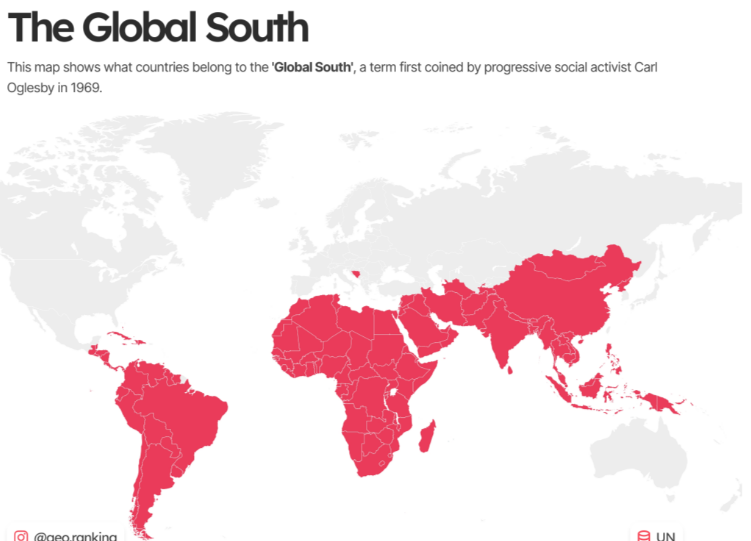
This economic pressure is not merely a financial burden but a threat to survival, as the inability to afford basic nutrition transforms a political conflict in the Middle East into a humanitarian crisis in distant regions of Africa and Asia.
A Strategic Shift Toward Green Self-Sufficiency
In response to this instability, there is a growing movement toward agricultural autonomy. The pressure to innovate and the urgent necessity for self-sufficiency are driving a “green transformation” in several developing regions. There is an increasing emphasis on the role of organic farming as a tool to prevent hunger and reduce dependence on volatile international markets.
Biolandwirtschaft kann Hunger verhindern.
This transition is being framed not only as an environmental choice but as a strategic imperative. By adopting sustainable, local agricultural practices, nations aim to insulate their populations from the external shocks of global warfare and energy manipulation.
