US and Iran strike critical energy infrastructure as hostilities escalate
Escalating hostilities between the US and Iran have reached a turning point as both nations strike essential water and energy infrastructure. The conflict now impacts regional humanitarian stability and the vital oil transit routes through the Strait of Hormuz.
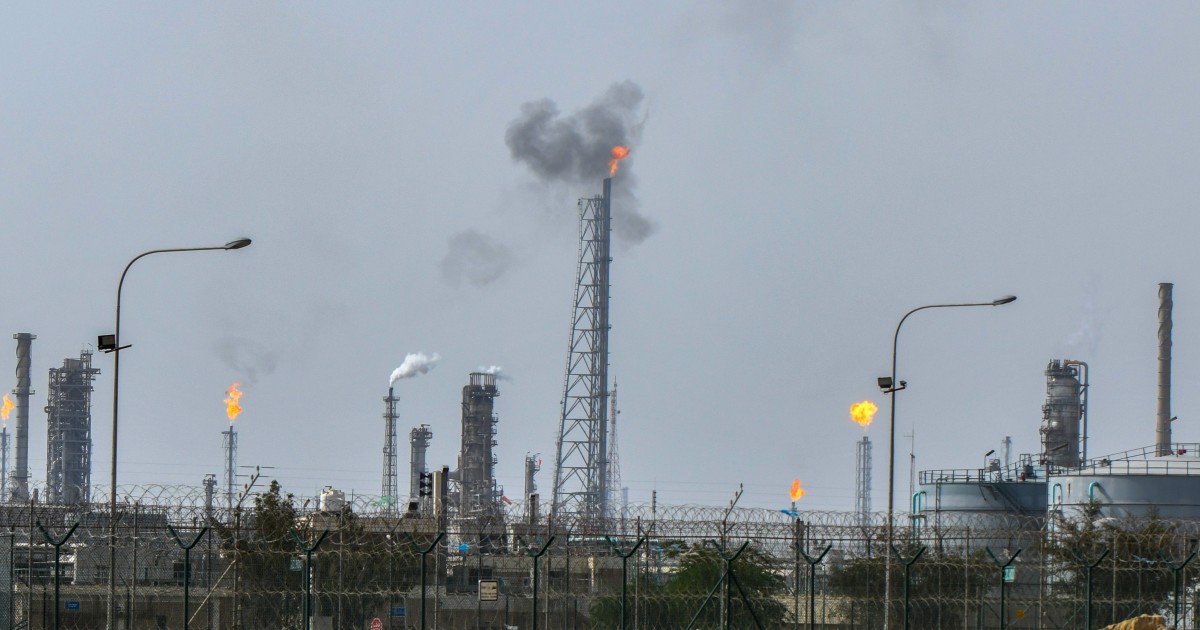
Infrastructure under fire
The escalation reached a turning point late last week as both sides began striking facilities essential to regional survival. In the arid Middle East, where desalination plants produce the vast majority of drinking water for nations like Kuwait, the targeting of these facilities has exposed severe humanitarian vulnerabilities.Kuwait reported that Iranian missile and drone strikes hit a power and water desalination plant on Friday, sparking a fire and damaging multiple power generation units. This marked the second attack on such a facility in the country in two days. The Kuwaiti government warned that the country relies on desalination for approximately 90% of its drinking water, making the targeted station a vital source of life for its population.
Related media
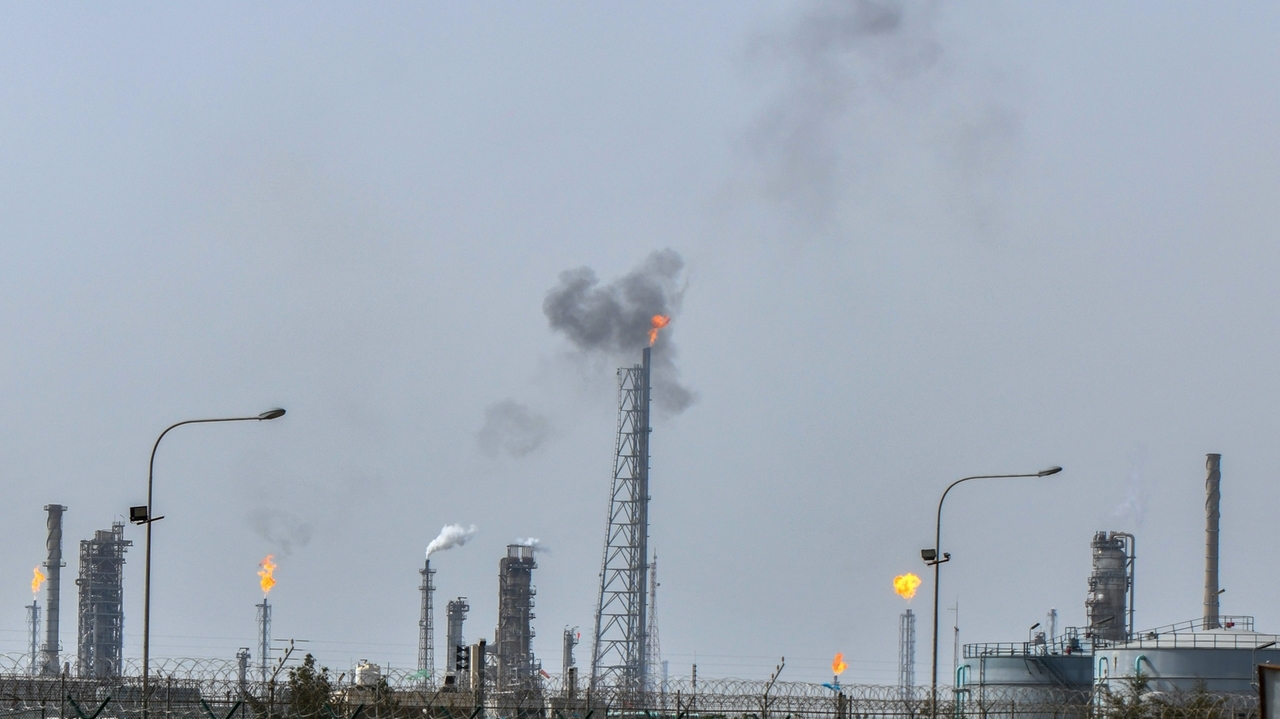

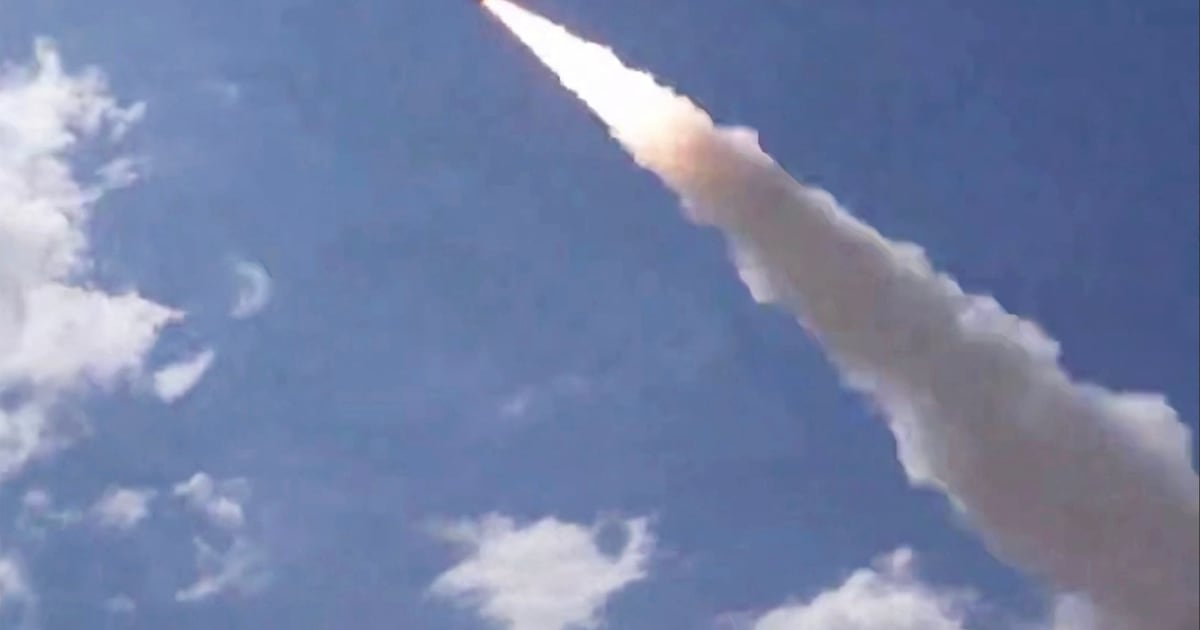
Simultaneously, U.S. Airstrikes have targeted Iranian infrastructure with increasing intensity. Iranian state media reported that U.S. Forces struck the Bonji desalination plant in the coastal village of Bonji, reportedly disrupting the water supply for approximately 10,000 residents across 20 villages. U.S. Military operations also targeted bridges and tunnels. Reports from Iranian sources indicate that a control tower at the Chabahar port was destroyed during the campaign.
Strait of Hormuz and maritime blockade
The core of the conflict remains the control of the Strait of Hormuz, a critical maritime chokepoint through which approximately 20% of global oil supplies flowed prior to the war. The waterway has effectively been closed to standard traffic, with the U.S. Enforcing a naval blockade and Iran demanding that transiting vessels pay tolls to its authorities.In response to U.S. Naval activity, Iranian forces have intensified their focus on shipping lanes. The U.S. Military reported that it had intercepted and redirected multiple ships in the region, intensifying the standoff.
Casualties and regional fallout
The human cost of the renewed hostilities continues to climb. The U.S. Central Command confirmed that its latest airstrikes were ordered to punish Iranian forces following a drone and missile attack on a base in Jordan that resulted in the deaths of two American service members and left four others hospitalized. According to official U.S. Data, the total toll since the conflict began has reached 16 service members killed and over 430 wounded.Iranian officials reported that U.S. Airstrikes have resulted in significant civilian casualties. Iranian officials have said of the recent strikes at least 46 people have been killed and more than 400 injured.
Diplomatic and military posture
The collapse of the ceasefire has seen both nations abandon previous commitments. Iranian Deputy Foreign Minister Kazem Gharibabadi announced that Tehran would no longer implement the terms of the memorandum of understanding.Conversely, U.S. Leadership has maintained a posture of pressure. President Donald Trump, in a national address, characterized the military operations as successful, stating, “We are likewise winning big in Iran.”
The regional impact extends beyond the primary combatants. Iran has launched missiles and drone sorties targeting U.S.-aligned nations, including Bahrain, Jordan, and Kuwait, leading to temporary airspace closures and flight disruptions. UN Secretary-General Antonio Guterres has expressed concern regarding the escalation, particularly the targeting of civilian infrastructure.
What to watch next
As of 19 July 2026, the situation remains fluid. Key developments to monitor include:- Energy Security: Further impacts on desalination output and its potential to trigger regional humanitarian crises.
- Shipping Trends: Whether the Strait of Hormuz remains effectively shuttered or if the U.S. Naval blockade can re-establish commercial passage.
- Retaliatory Thresholds: The potential for either side to move toward "full-scale offensive operations," as threatened by Iranian officials.
Archypedia is dedicated to independent, evidence-backed reporting. This briefing was synthesized from primary source reporting, corroborated across independent newsrooms, and verified against our Editorial Standards.
Transparency record
Evidence behind this report
This report synthesizes 12 distinct sources. Open the source ledger below to compare the underlying coverage.
- apnews.com
- nbcnews.com
- yahoo.com
- newsday.com
- nypost.com
- latimes.com
- thenationalnews.com
- timesnownews.com
- siasat.com
- cbc.ca
- independent.co.uk
- khaleejtimes.com
Prepared under the Archypedia Editorial Policy by the Mara Ionescu editorial desk profile. AI-assisted tools may support drafting and verification; public accountability remains with Archypedia. Report an error.