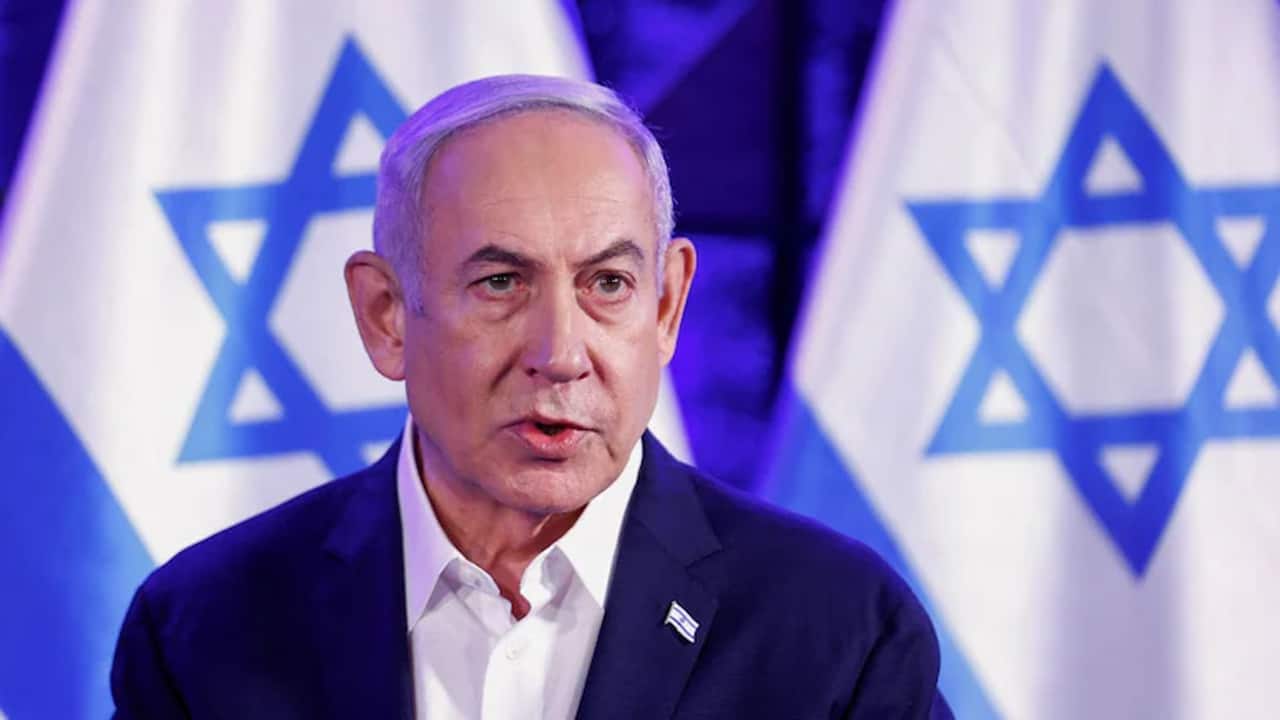
US House to vote on amendment to block $3.3 billion in military aid to Israel
The House is voting on a proposal to remove $3.3 billion in Foreign Military Financing from Israel, highlighting evolving debates over U.S.-Israel defense ties.
The United States House of Representatives will vote today on an amendment to block taxpayer funding to Israel's military. The measure, introduced by Representative Thomas Massie as part of H.R. 8595 – National Security, Department of State, and Related Programs Appropriations Act, 2027, aims to excise $3.3 billion from the Foreign Military Financing (FMF) account. If enacted, this would represent a significant departure from the current 10-year, $38 billion Memorandum of Understanding (MOU) signed in 2016, which is slated to expire in 2028.
The proposed amendment, approved for floor consideration by the House Rules Committee on 23 June 2026, is limited in its scope. It would not curtail the separate $500 million annual allocation designated for missile defense systems, including the Iron Dome. Despite this, the vote has drawn sharp ideological lines within the chamber. Proponents, such as Representative Greg Casar, have explicitly tied their support for the measure to the ongoing conflicts in the region. The Israeli government committed war crimes in Gaza and helped drag America into war with Iran. Americans should not be financing more weapons for Netanyahu,
Casar stated via X. Representative Ilhan Omar and Alexandra Ocasio-Cortez have also confirmed their support, with Omar characterizing the move as an attempt to avoid complicity in humanitarian crises.
Related media
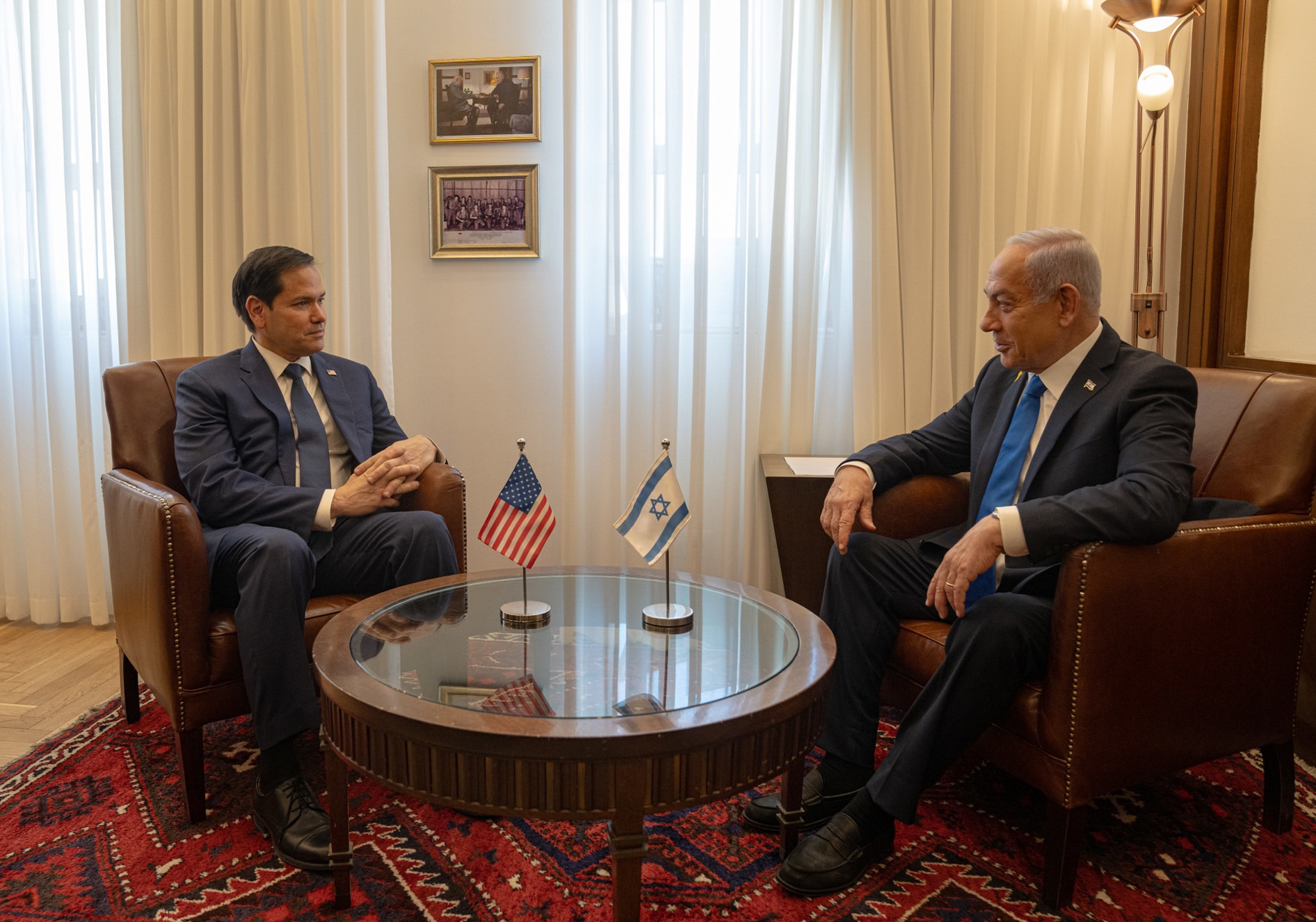


Conversely, the move faces opposition from senior members of the House, including Representatives Greg Meeks and Adam Smith, who argue against the reduction of this security assistance.
A Shift in Institutional Architecture
While the current legislative debate focuses on the immediate cessation of aid, independent policy analysis suggests that the long-term structure of U.S.-Israel military cooperation is already undergoing a transformation. Israeli officials, including Prime Minister Netanyahu, have signaled a preference to move away from traditional FMF grants—which are subject to State Department conditions and annual congressional oversight—in favor of a framework centered on defense-industrial integration.
According to analysis from the Quincy Institute, this pivot toward Pentagon-managed procurement, joint research, and co-production agreements would shift the burden from foreign aid budgets to defense acquisition channels. Such a move is framed as a shift toward joint projects
where both nations contribute. By moving support into procurement accounts, the aid becomes less vulnerable to the political volatility of annual foreign-policy debates in Congress.
Economic and Fiscal Implications
The potential loss of the $3.3 billion annual FMF grant presents a complex calculation for the Israeli government. While the Israel Policy Forum notes that Israel’s defense budget has expanded significantly in response to multi-front warfare, the removal of American assistance would necessitate difficult budgetary trade-offs. Israel’s defense spending climbed to roughly 8–9% of GDP following the events of 7 October 2023. Domestic fiscal management remains constrained by debt-to-GDP ratios and the need to maintain social spending, even as defense requirements remain elevated.
What to Watch Next
- Congressional Action: The House is set to hold 10 minutes of debate today before moving to a final vote on the Massie amendment.
- Future MOU Renegotiations: While the current MOU remains in effect through 2028, the "trial balloon" discussions regarding a 20-year or procurement-focused successor agreement indicate that the current aid model will undergo fundamental changes regardless of today's vote.
- Budgetary Adjustments: Israeli policymakers are expected to continue monitoring credit ratings and debt-to-GDP thresholds as they navigate the need for sustained high-level defense expenditure without the historical safety net of predictable annual U.S. Grants.
Ultimately, the movement to block this funding reflects broader shifts in American public opinion. Analysis suggests that the U.S.-Israel political coalition is no longer as automatic as it was in previous decades, creating a high-salience environment where even the mechanism of delivering aid has become a focal point of partisan and ideological contestation.
Archypedia is dedicated to independent, evidence-backed reporting. This briefing was synthesized from primary source reporting, corroborated across independent newsrooms, and verified against our Editorial Standards.
Transparency record
Evidence behind this report
This report synthesizes 4 distinct sources. Open the source ledger below to compare the underlying coverage.
Prepared under the Archypedia Editorial Policy by the Mara Ionescu editorial desk profile. AI-assisted tools may support drafting and verification; public accountability remains with Archypedia. Report an error.