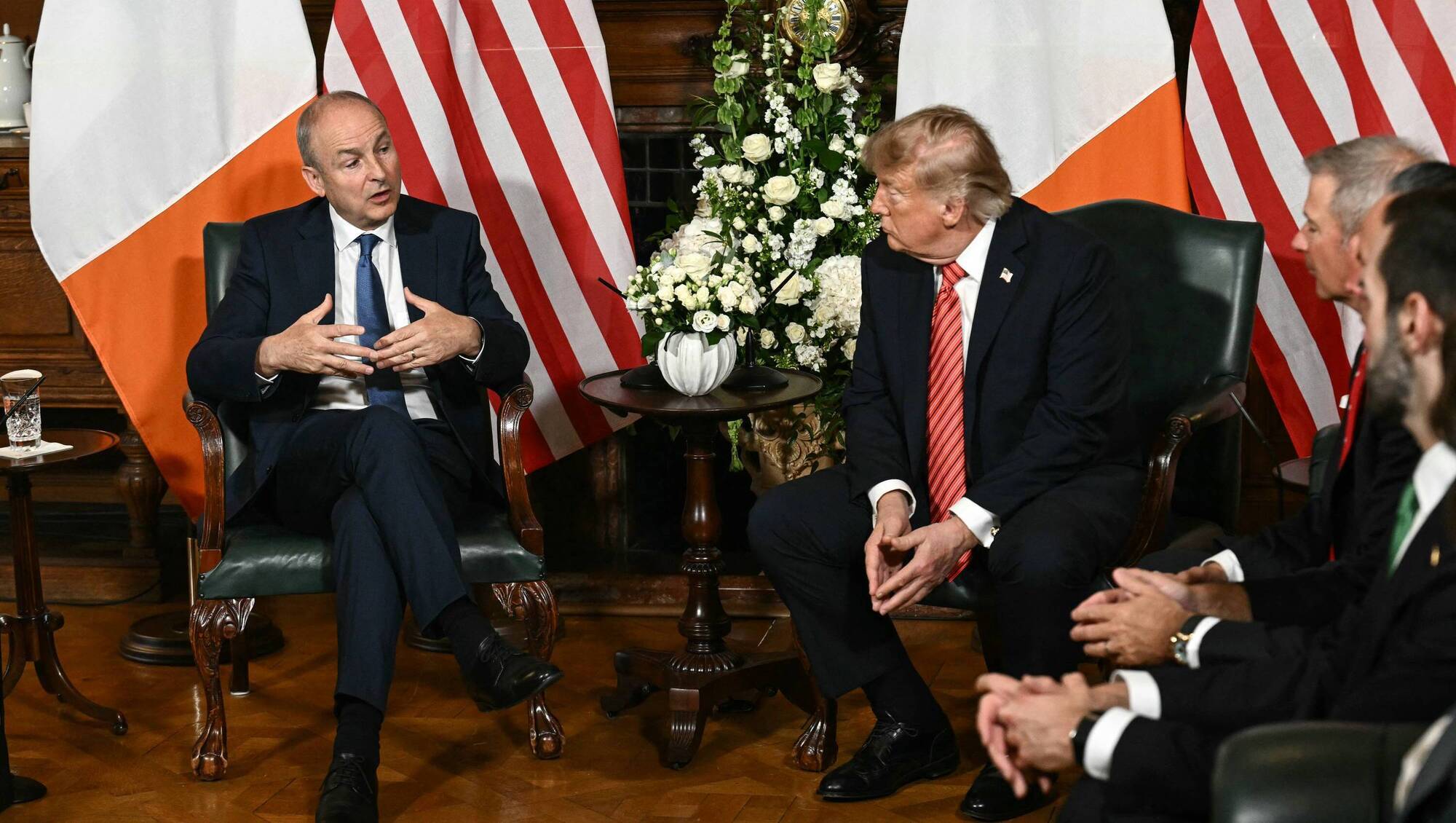
Major networks limit coverage of Trump prime-time election fraud speech
Broadcast networks navigated editorial challenges during President Trump's recent prime-time address by shifting coverage to streaming platforms and incorporating fact-checks.
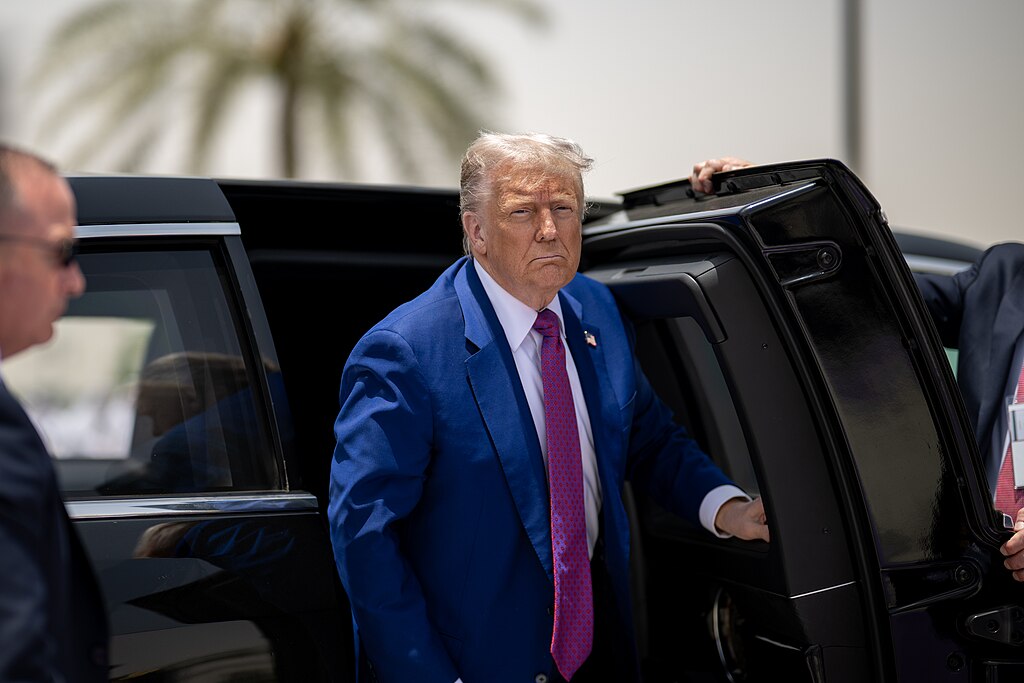
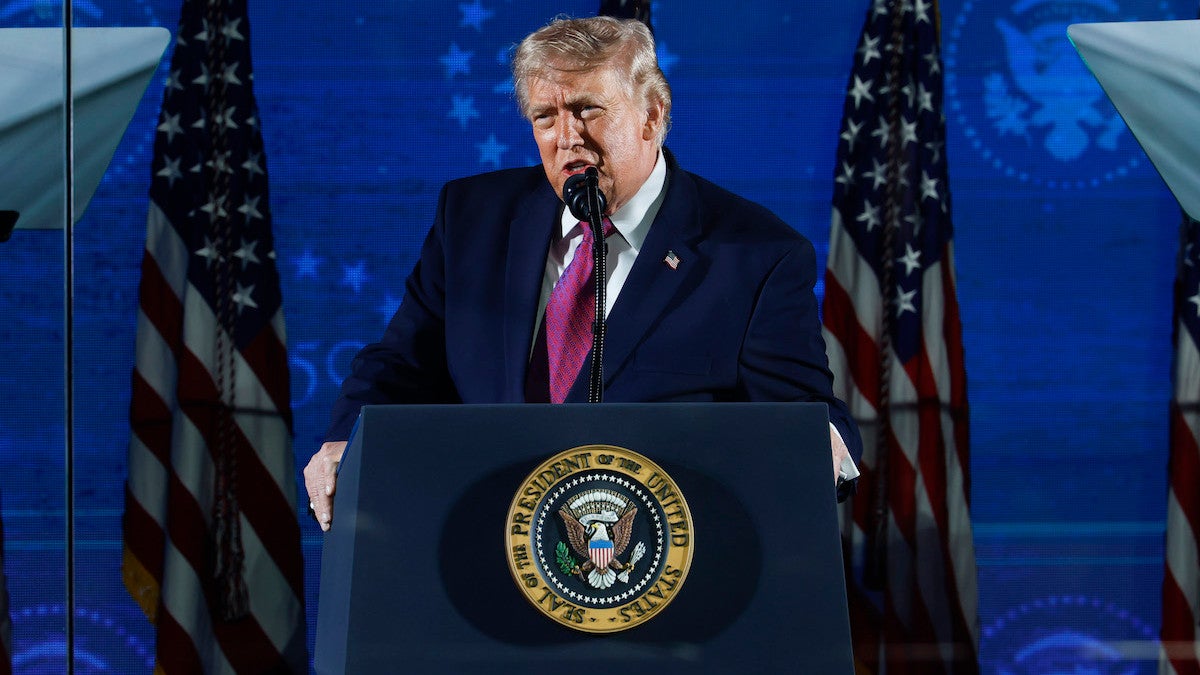
President Donald Trump delivered a prime-time address centered on the security of the American voting system. The event, which occurred roughly four months before the midterm elections, featured the President repeating allegations regarding election fraud and announcing the declassification of intelligence he claimed demonstrated Chinese interference in domestic elections. These assertions were delivered despite previous intelligence assessments finding no evidence that Beijing altered the outcome of the 2020 presidential election.
Broadcast networks ABC and NBC elected not to carry the speech on their primary television stations, choosing instead to stream the event via their digital services, ABC News Live and NBC News NOW. In a statement regarding the programming shift, an ABC spokesperson emphasized that the organization would provide anchored coverage through its digital radio and streaming channels. The spokesperson noted that the network's Special Report team is fully prepared to break into network programming to deliver live updates and reporting should significant developments occur.
NBC likewise moved the address to its streaming platform, scheduling a special report for its broadcast network to air after the speech concluded.
Related media
CBS adopted a different editorial strategy, opting to join the address while it was already in progress. Prior to beginning its broadcast, anchor Tony Dokoupil outlined the network's position:
"Much of what the President has said on [security of American elections] has been false... There is an argument that it's irresponsible to air the president's speech tonight. But this speech will be made. It will be news. And it's our job to cover the news."
CBS ultimately cut away from the remarks approximately five minutes before they ended, immediately transitioning into a segment fact-checking the President’s claims regarding Chinese interference. On the cable side, CNN did not air the speech live on its main channel, providing access only through its website and the subscription streaming service CNN All Access. Fox News, however, broadcast the address in its entirety.
The President responded to the media’s restrictive programming by characterizing the editorial decisions as a coordinated plot
to hide the truth from the public. During the address, he directly accused ABC and NBC of corruption and argued that their broadcast licenses should be subject to revocation. White House communications director Steven Cheung also criticized the networks on social media, labeling them cowards
for their decision to move the address to streaming platforms. Ahead of the event, White House Press Secretary Karoline Leavitt had argued that the broadcast networks should carry the address live due to the range of topics covered, which included the conflict with Iran and the economy.
The resulting editorial debate has drawn in outside political figures. Jame Carville, a former strategist for President Bill Clinton, challenged CNN’s decision not to air the speech. During an appearance on the network, Carville argued that the address remained newsworthy
regardless of the accuracy of its content, suggesting that the public should have been permitted to witness the President’s performance directly. I think it should have been blanket coverage of it,
Carville said. I don't think we should have hidden that from the American people.
The dispute occurs against a backdrop of increasing regulatory scrutiny for media companies. Reports indicate that the Federal Communications Commission is conducting an investigation into ABC, and FCC Chair Brendan Carr has launched inquiries into Comcast and NBC. While the FCC holds the legal authority to regulate or potentially revoke broadcast licenses, any such move would likely face protracted legal challenges from the networks. Cable networks, meanwhile, do not hold broadcast licenses from the FCC.
Coverage Comparison: July 17 Address
| Network | Platform Strategy |
|---|---|
| ABC | Streaming (ABC News Live) |
| NBC | Streaming (NBC News NOW) |
| CBS | Limited live broadcast with fact-checking |
| CNN | Streaming/Web (CNN All Access) |
| Fox News | Full live broadcast |
The controversy highlights a broader shift in the television news industry as networks increasingly utilize secondary digital platforms to carry presidential events. This strategy allows broadcasters to fulfill a duty to provide access to official remarks while preserving entertainment and sports programming on their flagship channels. The future of such political coverage remains a subject of debate, influenced by industry developments such as the proposed acquisition of Warner Bros. Discovery and CNN by David Ellison.
Archypedia is dedicated to independent, evidence-backed reporting. This briefing was synthesized from primary source reporting, corroborated across independent newsrooms, and verified against our Editorial Standards.
Transparency record
Evidence behind this report
This report synthesizes 5 distinct sources. Open the source ledger below to compare the underlying coverage.
Prepared under the Archypedia Editorial Policy by the Mara Ionescu editorial desk profile. AI-assisted tools may support drafting and verification; public accountability remains with Archypedia. Report an error.