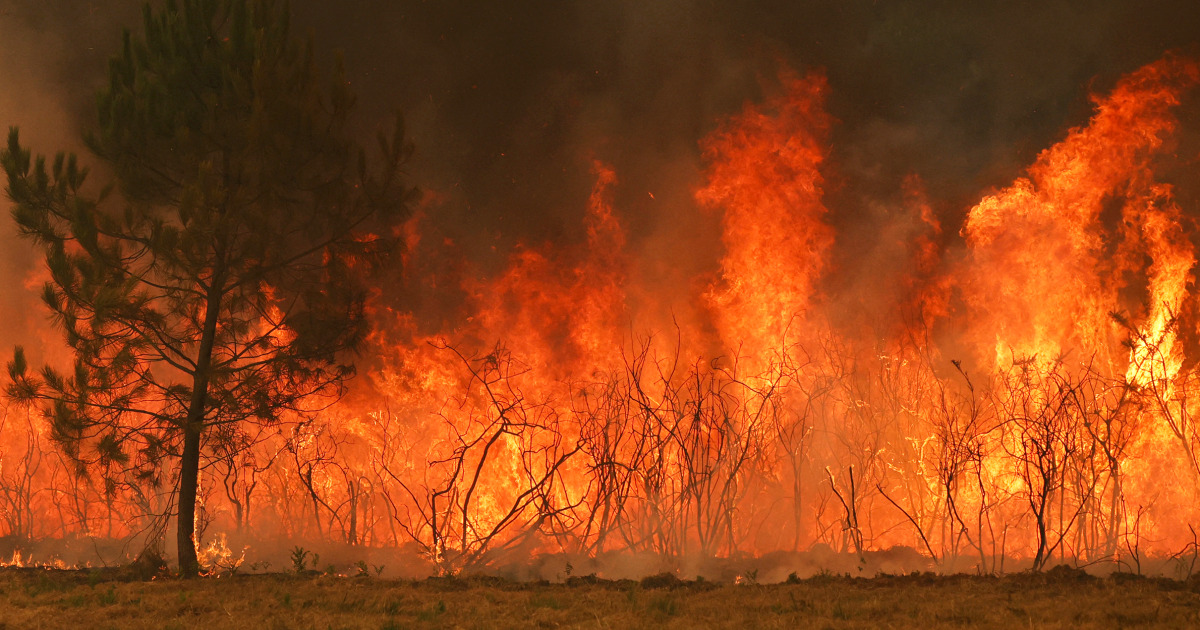
Democrats Bailey and Zateslo target Neal Dunn in Florida House race
Democrats Yen Bailey and Nic Zateslo are campaigning to unseat Republican incumbent Neal Dunn in Florida's 2nd Congressional District ahead of the 2026 midterms.
Two Democratic challengers are mounting campaigns to unseat Republican Congressman Neal Dunn in Florida’s 2nd Congressional District, a region that spans 16 counties across the Panhandle and Big Bend. As the 2026 midterm cycle intensifies, Yen Bailey and Nic Zateslo are positioning themselves as younger, more accessible alternatives to the incumbent, aiming to flip a district that has remained a stronghold for the Republican Party.
The race in Florida’s CD 2, which includes the four-county Tallahassee metropolitan area alongside extensive rural stretches of farms and forests, reflects a broader national trend where Democrats are seeking to capitalize on voter discontent. While the district’s rural counties have historically favored Donald Trump, the Tallahassee area has rejected him by margins exceeding 60% in each of three elections. Both Bailey and Zateslo view the political climate, which they characterize as a Trump crisis,
as a focal point of their platforms against the 72-year-old Dunn, a urological surgeon from Panama City who was first elected in 2016.
Related media
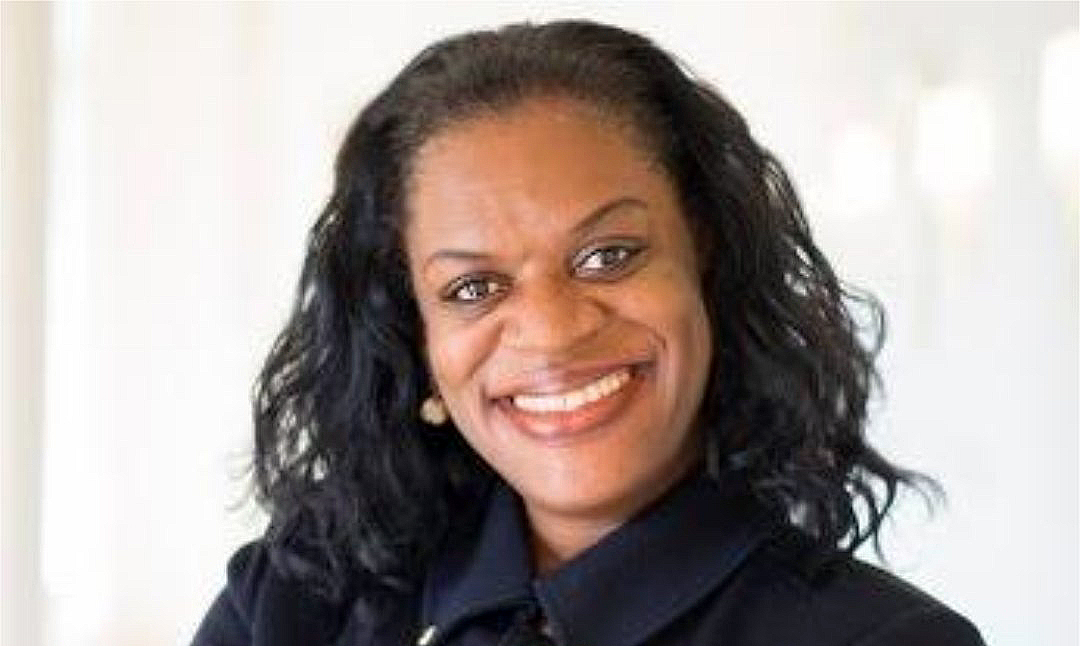


The Democratic Contenders
Bailey, 48, a graduate of Fort Walton High School and the Florida State University law school, previously served as an ethics attorney for The Florida Bar and as a senior attorney for the Guardian Ad Litem’s Tallahassee office. Having challenged Dunn in 2024, Bailey has maintained a network of volunteers and continues to tour the district to highlight what she describes as Dunn’s failure to advocate for local needs, such as affordable childcare and the preservation of the Apalachicola River basin. She has recently campaigned in Bay, Gulf, and Taylor counties.
Zateslo, 37, is a Tallahassee native and University of South Florida graduate with a background in political technology consulting for non-profits and Democratic campaigns. He is emphasizing grassroots outreach, claiming to have recruited 70 volunteers to facilitate small-scale meet-the-candidate events, which he hosts up to three times a week. Zateslo argues that Dunn’s reliance on email communication creates a disconnect with the constituency, particularly as voters grapple with poverty rates that, in nine of the district's 16 counties, are more than double the state average of 12.3%.
Both candidates are critical of Dunn’s support for federal policies linked to the Trump agenda, specifically the One Big Beautiful Bill,
which Zateslo contends would disproportionately impact families through cuts to Medicaid, food stamps, and after-school programs.
The Incumbent’s Standing
Dunn, who faces no primary opposition and holds the endorsement of Donald Trump, maintains the support of the Republican Party, which views the seat as secure. Evan Power, chair of the Republican Party of Florida, dismissed the Democratic critiques, asserting that the party expects a significant victory in the upcoming cycle and that the district is growing redder every day.
Dunn currently holds a substantial lead in campaign funding, with $307,000 in his campaign account compared to $52,700 for Bailey and $46,000 for Zateslo.
Strategic Outlook
With the primary season approaching, neither Bailey nor Zateslo has engaged in joint appearances, with both effectively running general election campaigns as they attempt to distinguish their strategies for the district. Bailey estimates a competitive campaign will require $1.2 million, while Zateslo suggests $2 million to $3 million is necessary to challenge the status quo. The primary will determine which candidate moves forward to represent the Democratic Party in the general election.
Beyond CD 2, the wider Florida political environment remains under scrutiny. Statewide polling from the Public Opinion Research Lab at the University of North Florida released July 20, 2026, indicates tighter margins in Senate and gubernatorial races than in recent cycles. Dr. Sean Freeder of the University of North Florida noted that midterm elections often present challenges for the party controlling the presidency, creating a volatile environment for incumbents across the state. As of June 30, 2026, state records show approximately 5.5 million registered Republicans, 4 million Democrats, and 3.8 million no-party or third-party voters.
For voters, the path forward is marked by key procedural deadlines:
| Event | Date |
|---|---|
| Federal candidate qualifying | April 20, 2026 – April 24, 2026 |
| Primary voter registration deadline | July 20, 2026 |
| Primary early voting | Aug. 3–7, 2026 and Aug. 16, 2026 |
| General election voter registration deadline | Oct. 5, 2026 |
| General election early voting | Oct. 19–23, 2026 and Nov. 1, 2026 |
Archypedia is dedicated to independent, evidence-backed reporting. This briefing was synthesized from primary source reporting, corroborated across independent newsrooms, and verified against our Editorial Standards.
Transparency record
Evidence behind this report
This report synthesizes 6 distinct sources. Open the source ledger below to compare the underlying coverage.
Prepared under the Archypedia Editorial Policy by the Mara Ionescu editorial desk profile. AI-assisted tools may support drafting and verification; public accountability remains with Archypedia. Report an error.