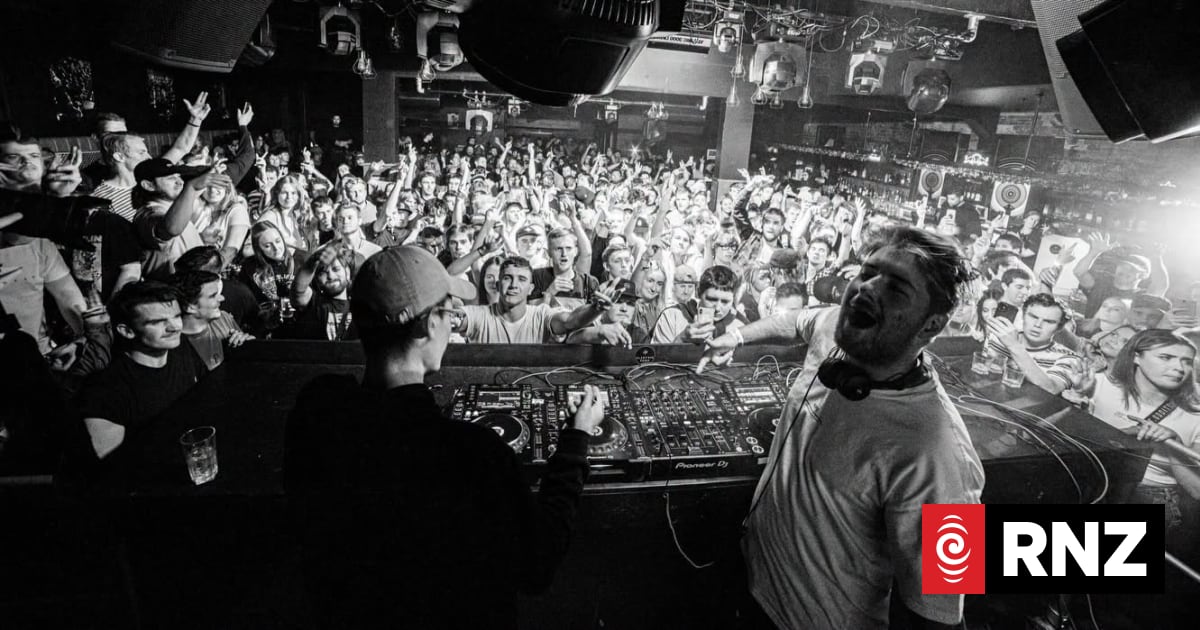
End of an Era: Christchurch Club-Goers Prepare for Hide’s Last Dance – RNZ
Hide nightclub in Christchurch is closing its doors, marking the end of a significant era for the city’s electronic music and nightlife scene. According to reports from RNZ, patrons and regulars are gathering for a final event to commemorate the venue’s contribution to the local culture and its role as a hub for dance music enthusiasts.
Why is Hide nightclub closing in Christchurch?
The closure of Hide comes amid a shifting landscape for urban nightlife in New Zealand. While specific internal business records are not public, the closure reflects a broader trend where traditional nightclub models face increasing pressure from rising operational costs, changing consumer habits, and evolving city zoning. According to industry observations, the “superclub” format—characterized by large capacities and high-overhead sound and lighting installations—has become more difficult to sustain in a post-pandemic economy.
Economic factors contributing to the closure of such venues typically include:
- Increased Overhead: Rising commercial rents and utility costs for large-scale industrial spaces.
- Shifting Demographics: A move among younger generations toward smaller, more curated “boutique” events or home-based entertainment.
- Regulatory Pressure: Stricter noise ordinances and liquor licensing requirements in city centers.
For Hide, the “last dance” represents more than a business cessation; it is the loss of a dedicated space for specific genres of electronic music that often struggle to find a home in mainstream bars or lounges. The venue provided a sanctuary for subcultures that prioritize the DJ and the dancefloor over table service and VIP booths.
When and where is the final event for Hide?
The final event, described as the “last dance,” is scheduled to take place at the venue’s Christchurch location. This closing party serves as a farewell for the staff, the resident DJs, and the community of club-goers who frequented the space. According to RNZ, the event is expected to draw a significant crowd of regulars looking to experience the venue’s atmosphere one last time.
The event is structured as a retrospective of the club’s musical identity. Rather than a standard night of entertainment, the closure is being treated as a cultural milestone. Patrons are encouraged to attend not just for the music, but to acknowledge the social bonds formed within the walls of the club over its years of operation.
| Event Detail | Information |
|---|---|
| Event Name | Hide’s Last Dance |
| Location | Christchurch, New Zealand |
| Primary Focus | Electronic Dance Music (EDM) and Community Farewell |
| Significance | Closure of a long-standing nightlife pillar |
What impact does Hide’s closure have on the Christchurch nightlife scene?
The closure of Hide leaves a void in the city’s “after-hours” infrastructure. For many years, the venue acted as a primary destination for those seeking high-intensity electronic music. When a cornerstone venue closes, the impact ripples through several different stakeholders in the local economy.
Impact on Local DJs and Promoters
DJs rely on venues like Hide to build their brands and hone their craft. Without a dedicated club space, local talent often has to rely on pop-up events or travel to larger cities like Auckland or Wellington to find appropriate sound systems and audiences. According to music industry analysts, the loss of a permanent venue reduces the “pipeline” for emerging electronic artists to transition from bedroom producing to professional performing.
Loss of “Third Places”
Sociologists often refer to nightclubs as “third places”—social environments separate from the two usual social environments of home (“first place”) and work (“second place”). Hide functioned as a communal space where social hierarchies often dissolved on the dancefloor. The loss of such a space can lead to a fragmentation of the local youth and arts community.
The Ripple Effect on Surrounding Businesses
Nightclubs often drive foot traffic to other late-night services. The closure of a major draw like Hide can affect:
- Late-night transport: A decrease in demand for taxis and rideshare services during peak clubbing hours.
- Fast food outlets: A drop in “post-club” patronage at nearby eateries.
- Security firms: A reduction in contracted security hours for the immediate area.
How does Hide fit into the history of Christchurch’s music culture?
To understand why the closure of Hide is viewed as the “end of an era,” one must look at the trajectory of Christchurch’s nightlife, particularly following the devastating earthquakes of 2010 and 2011. The city’s entertainment district was decimated, and for years, the nightlife scene existed in a state of transition, often operating out of temporary spaces or repurposed warehouses.
Hide emerged as part of the city’s cultural reclamation. It provided a sense of permanence and professionalization in a scene that had been fragmented. By offering a high-quality audio-visual experience, it signaled that Christchurch was once again a viable destination for international DJs and high-production events.
“The closure of a venue like Hide isn’t just about a business closing; it’s about the disappearance of a specific type of urban energy that defined a generation of Christchurch’s night owls.”
The venue’s history is intertwined with the city’s broader recovery. As the central city was rebuilt with a focus on retail and corporate offices, the “gritty” industrial spaces that traditionally house nightclubs became rarer. This tension between urban development and cultural preservation is a recurring theme in the story of Hide.
What do regulars and promoters say about the closure?
Reactions to the news have been a mix of nostalgia and concern. Regulars describe the club as a place of liberation, where the music took precedence over the social expectations of the day. For many, Hide was not just a place to drink, but a place to experience collective euphoria through dance.
Promoters have noted that while the “club” might be closing, the “community” remains. There is a growing movement toward “warehouse parties” and unlicensed events, which some argue are a return to the roots of rave culture. However, these events lack the safety standards, professional sound engineering, and consistency that a venue like Hide provided.
Common sentiments expressed by the community include:
- Grief over the loss of a “safe space” for alternative identities.
- Frustration with the increasing “sanitization” of the city center.
- Hope that the closure will spark the creation of new, innovative entertainment concepts.
Comparing the “Club Era” to Modern Entertainment Trends
The closure of Hide is a symptom of a global shift in how people socialize. The traditional nightclub model, which peaked in the 1990s and 2000s, is being replaced by more diverse, fragmented experiences. This transition can be seen in the following comparison:
| Feature | Traditional Club (e.g., Hide) | Modern Social Trends |
|---|---|---|
| Frequency | Weekly residency/Regular nights | One-off “Pop-up” events |
| Focus | The Dancefloor & DJ | Instagrammable aesthetics & “Experiences” |
| Atmosphere | Dark, immersive, high-volume | Hybrid spaces (Bar/Dining/Club) |
| Access | Door policy/Membership | Ticketed events via social media |
This shift suggests that while the venue is closing, the desire for dance music remains. The “End of an Era” refers specifically to the era of the permanent, large-scale nightclub as the primary social engine of the city.
Addressing common misconceptions about nightclub closures
A common misconception is that nightclubs close simply because “people stopped going out.” Data from the hospitality sector suggests that attendance at high-quality events remains strong, but the cost of hosting those events has skyrocketed. It is often not a lack of patrons, but a lack of sustainable margins that leads to closure.
Another misconception is that the rise of home streaming and digital music killed the club. On the contrary, many argue that the digital era has made people crave physical, tactile experiences more than ever. The closure of Hide is less about a lack of interest in music and more about the economic viability of the physical real estate required to house that music.
For more information on the evolving landscape of urban entertainment, readers may find a related explainer on New Zealand’s hospitality trends useful.
Frequently Asked Questions
What is “Hide’s Last Dance”?
Hide’s Last Dance is the final event held at the Hide nightclub in Christchurch. It serves as a farewell party for the venue, bringing together the community of dancers, DJs, and staff who made the club a staple of the city’s nightlife.
Why is the closure of Hide considered an “end of an era”?
It is considered the end of an era because Hide represented a specific type of large-scale, dedicated electronic music venue that is becoming increasingly rare in Christchurch. Its closure symbolizes a shift away from traditional nightclub culture toward more fragmented or boutique entertainment options.

Will there be other clubs like Hide in Christchurch?
While new venues may open, the specific model of a large, high-production dance club is becoming harder to sustain due to rising rents and changing city regulations. The future of the scene is likely to lean more toward pop-up events and multi-purpose hospitality spaces.
Who is affected by the closure of Hide?
The closure affects local DJs who lose a primary performance venue, promoters who lose a reliable space for events, and the wider community of electronic music fans who lose a dedicated social hub.
How can I find out about future electronic music events in Christchurch?
With the closure of permanent venues, many promoters are moving to social media platforms and ticketing apps to announce one-off warehouse parties and pop-up events. Following local DJ collectives is currently the best way to track the scene.
