
A New Biological Clock Predicts Aging and Life Expectancy: Understanding the Mortality Algorithm
Researchers have developed a biological clock, often described as a mortality algorithm, that uses specific biomarkers to estimate an individual’s biological age and predicted time until death. According to reports from Harvard-affiliated research and scientific outlets, these tools analyze cellular decay and telomere shortening to provide a probabilistic estimate of life expectancy rather than a fixed date.
The emergence of this technology has sparked a debate over the utility of such data. While some see it as a tool for preventative health, the sentiment that “a new test claims to tell how well you’re ageing – and even when you’ll die. But I’d rather not know” reflects a growing concern regarding the psychological burden of knowing one’s predicted expiration date.
How Does the Mortality Algorithm Predict Life Expectancy?
The “mortality algorithm” is not a single test but a synthesis of data points that measure the rate of biological decay. According to reports from Harvard-linked research, these clocks differ from chronological age—the number of years since birth—by focusing on biological age, which tracks the actual wear and tear on the body’s systems.
These algorithms typically analyze “epigenetic clocks,” which look at DNA methylation. Methylation is a process where chemical tags are added to the DNA molecule, changing how genes are expressed without altering the genetic code itself. As people age, these patterns change in a predictable manner. By comparing a person’s current methylation patterns against a massive database of known aging trajectories, the algorithm can estimate how far along the “aging path” an individual is.
According to data highlighted by Vice and Popular Mechanics, these tools aim to identify “accelerated aging.” If a 40-year-old possesses the biological markers of a 50-year-old, the algorithm suggests a higher risk of age-related diseases and a potentially shorter remaining lifespan.
| Metric | Chronological Age | Biological Age (Clock) |
|---|---|---|
| Definition | Time elapsed since birth. | State of cellular and systemic decay. |
| Measurement | Calendar dates. | Biomarkers, DNA methylation, telomeres. |
| Variability | Fixed and identical for all born on the same day. | Highly variable based on genetics and lifestyle. |
| Predictive Value | Low for individual health outcomes. | Higher for disease risk and mortality. |
The Role of Telomeres in Cellular Aging
A critical component of understanding these tests is the study of telomeres. According to the CU Anschutz newsroom, telomeres are protective caps located at the ends of chromosomes, functioning similarly to the plastic tips on shoelaces. Their primary purpose is to prevent the ends of chromosomes from fraying or sticking to each other.
Every time a cell divides, the telomeres shorten. This is a natural biological process, but the rate of shortening varies. When telomeres reach a critically short length, the cell can no longer divide and enters a state called senescence or undergoes apoptosis (programmed cell death). This cellular exhaustion contributes directly to the aging of tissues and organs.
Key facts regarding telomeres include:
- Division Limit: Cells have a finite number of times they can divide, known as the Hayflick limit, largely dictated by telomere length.
- External Stressors: Chronic stress, poor diet, and lack of exercise are reported to accelerate telomere shortening.
- Telomerase: Some cells, such as stem cells and certain cancer cells, produce an enzyme called telomerase that can rebuild telomeres, effectively granting them “immortality.”
By measuring the average length of telomeres in white blood cells, scientists can gauge the biological age of an individual. Shorter telomeres are generally associated with a higher risk of cardiovascular disease, type 2 diabetes, and a shorter overall lifespan.
Why These Tests Are Controversial: The Psychology of Prediction
The ability to quantify the time remaining in a human life introduces significant ethical and psychological challenges. The phrase “a new test claims to tell how well you’re ageing – and even when you’ll die. But I’d rather not know” encapsulates the tension between medical transparency and mental health.
Psychologists argue that a “death date” or a biological age significantly higher than one’s chronological age could lead to “existential distress.” This may manifest as severe anxiety or a sense of fatalism, where a person stops attempting to improve their health because they believe their biological destiny is already written.
Conversely, proponents argue that this data is empowering. If a patient knows their biological clock is ticking faster than normal, they have a concrete incentive to adopt aggressive lifestyle interventions. This turns the “mortality algorithm” from a death sentence into a diagnostic tool for longevity.
Potential implications of widespread biological clock testing include:
- Insurance Adjustments: Life insurance companies could potentially use biological age to determine premiums, penalizing those with “faster” aging markers.
- Medical Prioritization: Doctors might prioritize aggressive screenings for patients whose biological age far exceeds their chronological age.
- Lifestyle Shifts: A shift toward “precision longevity,” where diets and supplements are tailored to slow specific methylation patterns.
Comparing Different Aging Metrics
Not all “age tests” are created equal. There is a distinct difference between testing telomere length and using a comprehensive mortality algorithm. Telomere testing is a snapshot of cellular health, whereas the mortality algorithm is a predictive model based on patterns across thousands of individuals.
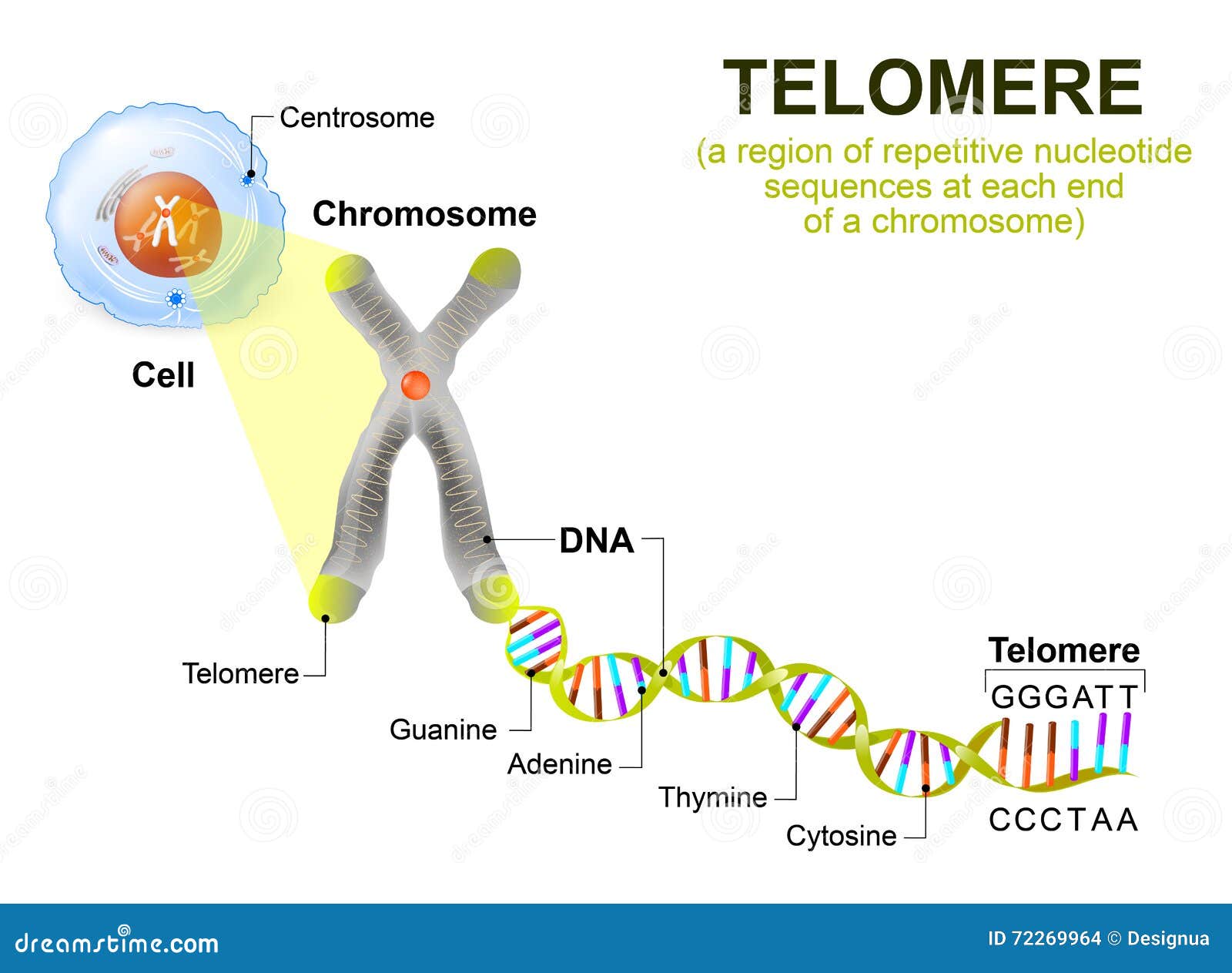
According to reports from streamlinefeed.co.ke and other technical analyses, the mortality algorithm is often more accurate because it incorporates multiple variables. While telomeres provide a look at cellular exhaustion, epigenetic clocks look at the “software” of the cell—how the DNA is being read and managed.
A person might have relatively long telomeres due to genetics but show advanced epigenetic aging due to chronic inflammation or environmental toxins. Therefore, the mortality algorithm provides a more systemic view of health than a single-marker test like telomere length.
“Biological age is a more accurate predictor of mortality than chronological age because it reflects the cumulative impact of genetics, environment, and behavior on the body’s systems.”
Common Misconceptions About Biological Clocks
There are several widespread misunderstandings regarding the accuracy and purpose of these tests. It is important to distinguish between a statistical probability and a predetermined fate.
Is the “Death Date” Exact?
No. According to the research frameworks used by these algorithms, the “time to death” is a statistical estimate. It calculates the probability of death within a certain timeframe based on a cohort of people with similar biomarkers. It cannot account for random accidents, sudden acute infections, or future medical breakthroughs that might extend life.
Can Biological Age Be Reversed?
While chronological age only moves forward, biological age is potentially fluid. Some studies suggest that intensive lifestyle changes—such as caloric restriction, exercise, and stress management—can slow the rate of epigenetic aging or even “rewind” the biological clock by a few years. However, these effects are typically marginal and vary by individual.
Are These Tests Available for Everyone?
Currently, many of these tests are available through private longevity clinics or research studies. They are not yet standard clinical practice in primary care because they lack the standardized regulation required for official medical diagnosis.
The Future of Longevity Science
The development of these tools marks a shift from reactive medicine (treating a disease after it appears) to proactive medicine (predicting the risk of decay before symptoms manifest). The goal for many researchers is not just to predict the end, but to extend the “healthspan”—the period of life spent in good health.
Future iterations of these clocks may integrate wearable data, such as heart rate variability and sleep patterns, with blood biomarkers to provide a real-time dashboard of biological aging. This would allow individuals to see the immediate impact of a weekend of poor sleep or a month of consistent exercise on their biological age.
For more information on how cellular health impacts overall longevity, you may find a related explainer on epigenetic modifications useful.
Frequently Asked Questions
What is the difference between biological age and chronological age?
Chronological age is the number of years you have been alive. Biological age refers to the state of your cells, tissues, and organs. If your biological age is lower than your chronological age, your body is functioning “younger” than expected for your birth date.

How do scientists measure biological age?
Scientists use various biomarkers, most notably DNA methylation patterns (epigenetic clocks) and the length of telomeres at the ends of chromosomes. Some tests also analyze blood proteins and organ function to determine a systemic aging score.
Can telomere shortening be stopped?
Telomere shortening is a natural part of cell division and cannot be entirely stopped. However, research from institutions like the CU Anschutz newsroom suggests that certain lifestyle factors can slow the rate of attrition, while the enzyme telomerase can rebuild them in specific cell types.
Is it psychologically healthy to know your biological age?
This depends on the individual. For some, it provides a motivating roadmap for health improvement. For others, as suggested by the sentiment that they “would rather not know,” it can cause anxiety and a diminished quality of life due to the stress of a predicted timeline.
Are mortality algorithms 100% accurate?
No. They provide a probabilistic estimate based on large data sets. They cannot predict unpredictable events (like accidents) or the impact of future medical treatments that could alter a person’s health trajectory.
