The Dutch province of Zeeland has taken a pivotal step in advancing its nuclear energy ambitions, with local stakeholders finalizing a framework of conditions for the construction of two new nuclear power plants. The initiative, backed by a 5 billion euro investment, marks a critical phase in the nation’s broader energy transition strategy, as policymakers and industry leaders navigate technical, economic and regulatory challenges.
Zeeland’s Conditions for Nuclear Expansion
The provincial government has submitted a revised set of requirements—termed the “Voorwaardenpakket 2.0″—to the national ministry overseeing energy policy. These conditions emphasize local economic participation, environmental safeguards, and long-term operational resilience. Key stipulations include prioritizing Zeeuwse businesses for construction contracts, ensuring transparency in waste management protocols, and aligning plant operations with regional climate adaptation goals.
“This isn’t just about building reactors—it’s about creating a sustainable model for energy production that benefits the entire region,” said a spokesperson for the provincial administration. The package reflects a collaborative approach, balancing national energy security needs with localized priorities.
Economic and Technical Implications of the 5 Billion Euro Investment
The proposed nuclear projects represent one of the largest infrastructure investments in the Netherlands’ post-pandemic economy. The 5 billion euro funding—primarily allocated for site preparation, reactor technology procurement, and grid integration—aims to position Zeeland as a hub for advanced nuclear energy. Local companies, including engineering firms and construction groups, have expressed readiness to contribute, signaling potential job creation and technological spillovers.
Nuclear energy, which accounts for roughly 4% of the Netherlands’ electricity supply, is being revisited as part of a broader push to decarbonize the energy sector. The new plants, likely to use third-generation reactor designs, would enhance grid stability while reducing reliance on fossil fuels. However, the project faces scrutiny over long-term waste storage solutions and public acceptance, which remain unresolved challenges.
Regulatory Hurdles and Stakeholder Dynamics
The next phase involves federal regulatory approval, with the state secretary for climate and energy expected to review the conditions package. While the provincial government has framed the initiative as a “win-win” for energy security and regional growth, environmental groups caution against underestimating the risks associated with nuclear proliferation. Public consultations are scheduled to address concerns about safety, radiation exposure, and the socioeconomic impact on coastal communities.
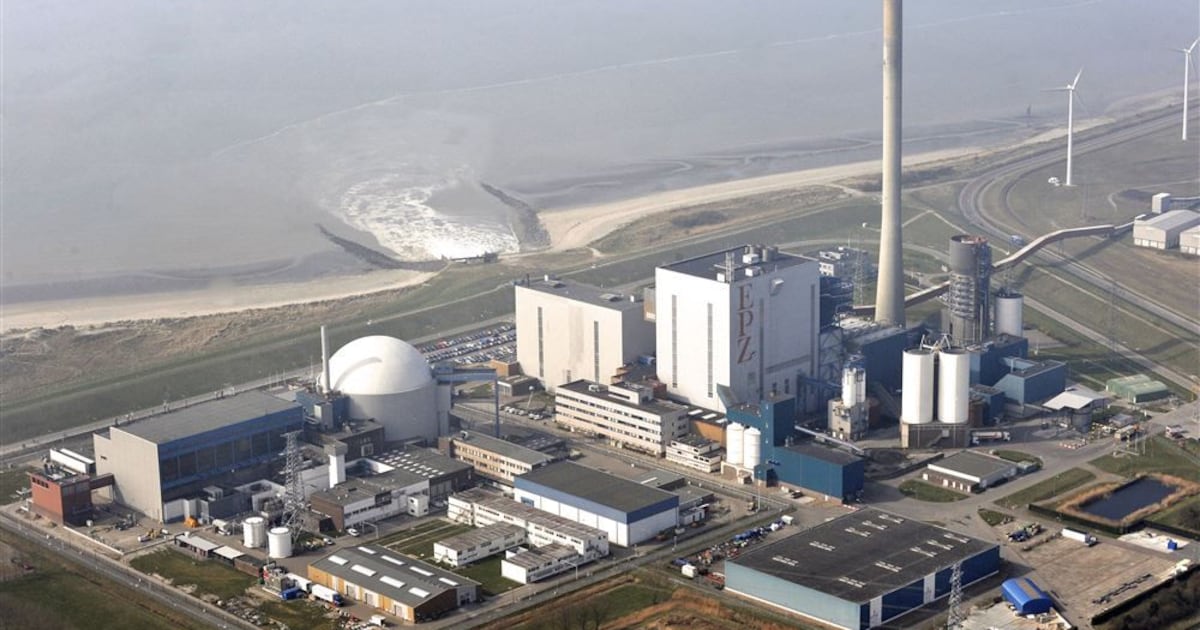
Industry analysts note that the project’s success hinges on securing private-sector partnerships and aligning with EU-wide nuclear safety standards. The involvement of Zeeuwse firms could also influence the project’s timeline, as local expertise in offshore infrastructure may streamline construction processes.
What’s Next?
Following the submission of the conditions package, the national government is expected to outline a formal approval timeline. Construction is likely to commence only after finalizing agreements on waste disposal, public engagement, and financial risk-sharing mechanisms. The outcome of this process could set a precedent for future nuclear projects in Europe, blending technological innovation with regional economic development.
