
Nelly Korda Cards Lowest Round of Friday to Move Into Top 10 at U.S. Women’s Open – LPGA
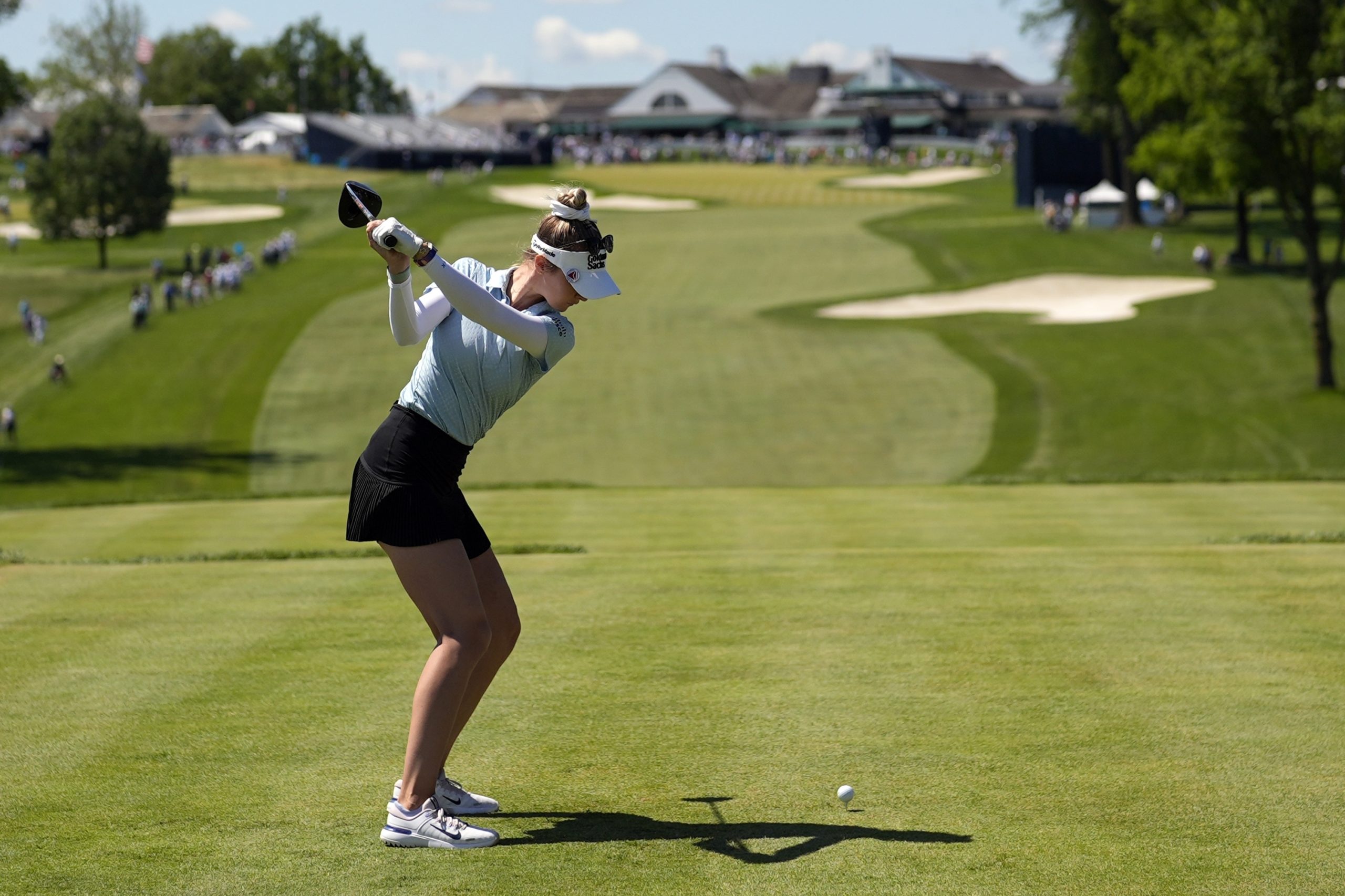
In a tournament defined by precision, patience, and the ability to weather sudden storms, Nelly Korda has provided a masterclass in resilience. After a tentative start that left the world number one searching for her rhythm, Korda staged a dramatic turnaround during the second round. As the leaderboard shifted, Nelly Korda cards lowest round of Friday to move into top 10 at U.S. Women’s Open – LPGA, transforming a potential struggle into a formidable charge toward the weekend.
The U.S. Women’s Open is widely regarded as the most grueling test in women’s professional golf, often characterized by punishing rough and demanding green speeds. For a player of Korda’s caliber, the initial struggle was not just a matter of scoring, but of confidence. However, the shift witnessed on Friday suggests a player who has not only found her game but has refined her approach mid-tournament to combat the specific challenges presented by the venue.
The Friday Turnaround: From Struggle to Surge
The narrative of Korda’s week began with an admission of imperfection. Following the opening round at Riviera Country Club, Korda was candid about her performance, noting that it “wasn’t a great day.” While Sei Young Kim had set a blistering early pace, Korda found herself fighting to keep pace with the leaders, struggling to find the consistency that has defined her dominant run on the LPGA Tour.
Friday, however, told a different story. While many of the field succumbed to the pressure of the second round, Korda leaned into her strengths. By recording the lowest round of the day, she didn’t just improve her position; she sent a clear signal to the rest of the field. Moving into the top 10 is a critical psychological threshold in a Major championship, as it places a player within striking distance of the trophy and ensures they are in the final-day conversation.
This “fight back” is a hallmark of championship golf. The ability to discard a poor opening round and reset mentally is what separates the elite from the great. Korda’s surge on Friday was not merely a result of better putting or luck, but a calculated adjustment to the course and her own internal state.
“Korda fights back at US Women’s Open,” reflecting a resilience that often goes unnoticed during her more effortless victories.
The Psychology of the Fightback
When a world-class athlete experiences a slow start, the primary battle is often mental. For Nelly Korda, the challenge was to avoid the “spiral”—the tendency to over-correct technical flaws in a desperate attempt to recover lost ground. Instead, Korda’s approach on Friday appeared to be one of steady accumulation, focusing on the shot in front of her rather than the gap between her and the lead.
The mental fortitude required to card the lowest round of the day after a disappointing start cannot be overstated. It requires a specific type of discipline to acknowledge a “not great day” and then enter the next session with the belief that a top-10 recovery is possible. This transition from frustration to execution is where Korda’s experience as a world leader became her greatest asset.
Key Elements of Korda’s Mental Recovery:
- Acceptance: Acknowledging the poor start without letting it define the tournament.
- Patience: Avoiding erratic swings in an attempt to “force” birdies.
- Focus: Shifting the objective from “winning the tournament” to “winning the day.”
Technical Tweaks and Unexpected Changes
Beyond the mental game, Korda’s climb back into the mix was aided by some unconventional and highly personal adjustments. In professional golf, where players often cling to rigid routines, the willingness to change equipment or technique mid-event can be a risky but rewarding strategy.
The Shoe Factor: A High-Profile Swap
One of the more intriguing footnotes of Korda’s mid-round adjustment involved her footwear. In a move that blended sports crossover with practical necessity, Korda swapped out a pair of shoes that had been given to her by basketball legend LeBron James. While a gift from one of the greatest athletes in history holds significant sentimental and promotional value, the demands of a U.S. Women’s Open are purely functional. The decision to prioritize performance over the prestige of the gift underscores Korda’s singular focus on the championship.
The Family Connection: Big Sister’s Advice
Technical adjustments are often born from a place of trust, and for Korda, that trust resides with her family. Reports indicate that specific grip advice from her big sister played a pivotal role in her Friday resurgence. In the high-pressure environment of a Major, a small tweak to the grip can be the difference between a pure strike and a missed fairway. The influence of family support provides a layer of emotional stability that allows a player to take these technical risks with confidence.

This combination of equipment optimization and familial guidance created a synergy that allowed Korda to unlock her full potential on Friday, proving that the path to the top 10 is often paved with small, incremental changes.
Navigating the Challenges of Riviera Country Club
The venue for this year’s U.S. Women’s Open, Riviera Country Club, is a course that demands both power and precision. For any player, including Korda, the course presents a unique set of hurdles that can derail a round in a matter of holes.
The difficulty of Riviera often lies in its subtle undulations and the punishing nature of its hazards. To card the lowest round of Friday, Korda had to navigate these complexities with a level of precision that was missing from her opening day. Her ability to manage the course—knowing when to attack and when to play conservatively—was a defining characteristic of her second-round success.
| Course Challenge | Korda’s Initial Struggle | Friday’s Adjustment |
|---|---|---|
| Green Speeds | Inconsistency in distance control | Improved tempo and touch |
| Fairway Accuracy | Occasional erratic drives | Disciplined targeting and grip adjustment |
| Mental Pressure | Frustration after a slow start | Resilient “fight back” mentality |
By mastering the layout of Riviera on Friday, Korda transitioned from a player merely surviving the tournament to one who is actively shaping the competition. Her movement into the top 10 is a direct result of this tactical evolution.
The Competitive Landscape and the Road Ahead
While Korda’s ascent is the primary story of Friday, it must be viewed within the broader context of the leaderboard. Sei Young Kim’s early pace set a high bar for the field, creating a gap that seemed daunting after the first round. However, Korda’s ability to shrink that gap significantly changes the dynamic of the tournament.
When a world number one moves into the top 10, the pressure shifts. Other players in the top tier now have to contend not only with the current leader but with a surging Korda who has found her rhythm. The momentum gained from carding the lowest round of the day is a powerful tool that can carry a player through the final 36 holes.
The U.S. Women’s Open is rarely decided by a single dominant performance; it is usually a war of attrition. Korda’s journey—from a “not great day” to the lowest round of Friday—exemplifies the volatility and the drama of Major championship golf. The question now is whether she can maintain this trajectory as the course becomes more demanding and the pressure intensifies.
For those following the LPGA, this narrative provides a compelling look at the intersection of talent, support systems, and mental toughness. Korda is no longer just a participant in the event; she is a primary protagonist in the hunt for the title.
Frequently Asked Questions
How did Nelly Korda move into the top 10 at the U.S. Women’s Open?
Nelly Korda moved into the top 10 by recording the lowest round of play on Friday, recovering from a slow start in the first round to climb the leaderboard.
What adjustments did Nelly Korda make during the tournament?
Korda made both equipment and technical changes, including swapping out shoes given to her by LeBron James and implementing grip advice provided by her big sister.
Who set the early pace at the U.S. Women’s Open at Riviera Country Club?
Sei Young Kim set the early pace of the tournament during the first round, establishing a lead that Korda has since begun to challenge.
Why was Nelly Korda’s Friday round significant?
It was significant because it demonstrated her resilience and ability to “fight back” after a poor start, proving she could handle the pressures of the U.S. Women’s Open and positioning her as a top contender for the weekend.
Where is the 2026 U.S. Women’s Open being held?
The tournament is being held at the prestigious Riviera Country Club.
As the tournament progresses, the focus will remain on whether Korda can translate her Friday momentum into a championship victory. Her journey from the fringes of the leaderboard back into the top 10 serves as a reminder that in golf, the game is never over until the final putt drops. For fans and analysts alike, the story of Nelly Korda at Riviera is a testament to the enduring power of resilience in professional sports.
For more insights into the tournament’s progression, you may find a related explainer on the LPGA Major championship circuit helpful, or an analysis of the U.S. Women’s Open course setup to understand the difficulties the players are facing at Riviera.
