
Ireland Prove Party Poopers as Ogbene Earns Montreal Draw Against Canada
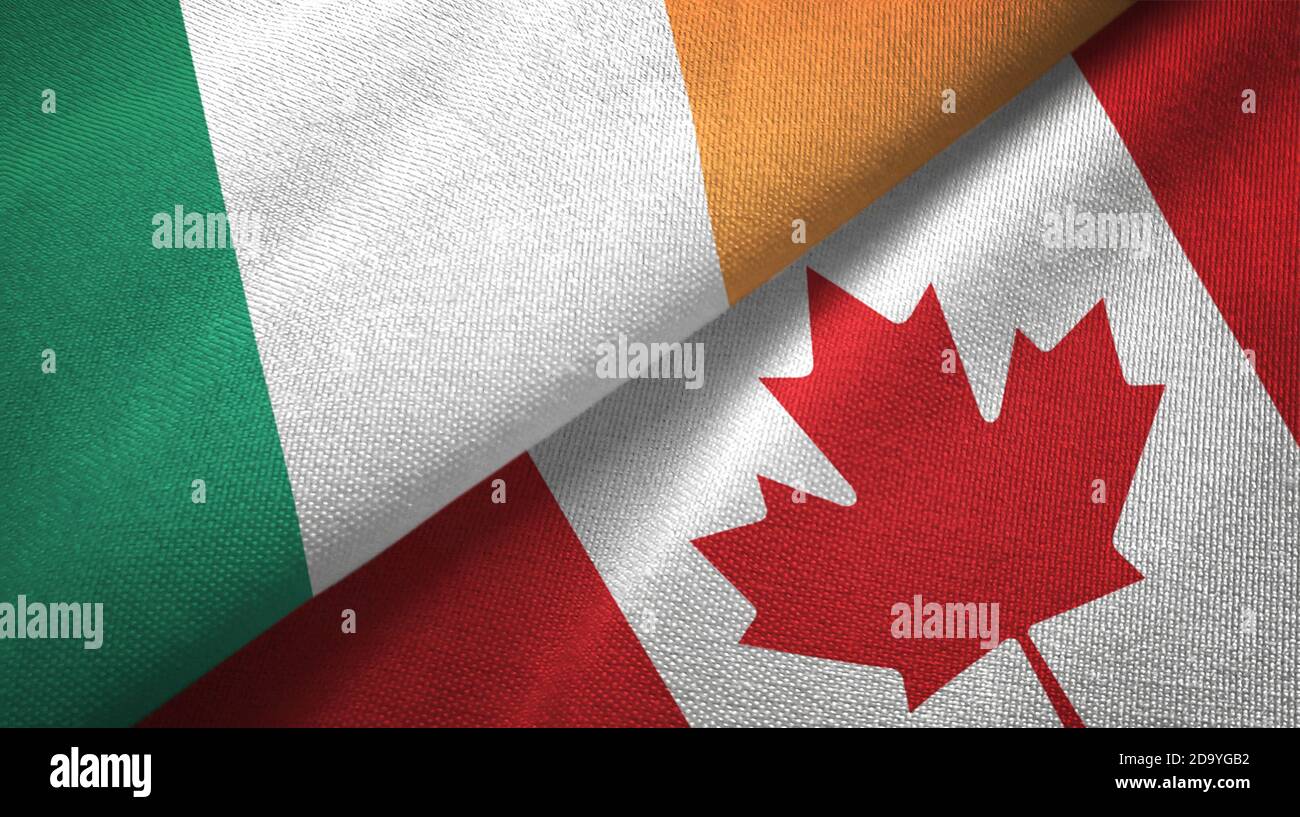
In a clash that pitted the Republic of Ireland against the ambitions of a World Cup co-host, the visitors managed to dampen the home crowd’s celebrations in Quebec. In a hard-fought encounter in Montreal, the Republic of Ireland secured a vital draw, ensuring that Canada’s preparations for their upcoming global tournament were met with a stubborn and resilient opponent. The decisive moment came via Chiedozie Ogbene, whose goal ensured that Ireland left North American soil with their heads held high, effectively acting as the “party poopers” in a match where Canada expected a more dominant result.
This fixture served as more than just a friendly. it was a litmus test for Heimir Hallgrimsson’s squad as they sought to conclude their season with a performance that demonstrated growth, tactical flexibility, and the ability to compete with high-caliber opposition on foreign soil. By holding the World Cup co-hosts to a stalemate, Ireland proved that they possess the grit and defensive organization necessary to frustrate top-tier teams, while simultaneously showcasing an attacking threat capable of punishing mistakes.
The Montreal Stalemate: A Tactical Breakdown
The match in Montreal was characterized by a clash of styles. Canada, buoyed by the energy of their home supporters and the prestige of being World Cup co-hosts, sought to dictate the tempo from the opening whistle. However, the Republic of Ireland arrived with a clear blueprint: absorb pressure, maintain a compact shape, and strike with clinical precision on the counter-attack.
The narrative of the game was one of persistence. Canada utilized their home advantage to push numbers forward, attempting to break down a disciplined Irish backline. For much of the contest, the visitors remained resolute, showcasing a level of organization that reflects the influence of manager Heimir Hallgrimsson. The “party pooper” label was earned not through negative play, but through an efficient defensive display that neutralized Canada’s primary attacking threats.
The breakthrough for Ireland came through Chiedozie Ogbene, whose ability to find space and execute under pressure proved to be the difference between a defeat and a draw. Ogbene’s goal was the culmination of Ireland’s strategic patience, providing the necessary response to Canada’s territorial dominance.
| Match Element | Republic of Ireland Approach | Canada Approach |
|---|---|---|
| Primary Strategy | Counter-attacking and defensive solidity | Possession-based and high-pressure |
| Key Personnel | Ogbene, Devoy, Umeh | World Cup Co-host Core |
| Outcome | Resilient Draw | Frustrated by Irish defense |
Integrating New Blood: The Roles of Devoy and Umeh
One of the most significant aspects of this encounter was Heimir Hallgrimsson’s willingness to experiment with his starting lineup. In a bold move, the manager handed starts to Dawson Devoy and Jaden Umeh, signaling a desire to broaden the squad’s depth and evaluate new talent in a high-stakes environment.
The inclusion of Devoy and Umeh in the starting XI was a calculated risk. Starting new players against a side as motivated as Canada—especially in a match that serves as a showcase for their World Cup readiness—could have left Ireland vulnerable. Instead, the duo integrated well into the team’s structure, providing energy and a different dynamic to the midfield and attack.
- Dawson Devoy: Provided a necessary link between the defensive line and the forward players, helping Ireland maintain possession during critical transitions.
- Jaden Umeh: Offered a physical presence and a directness in attack that forced the Canadian defenders to remain cautious.
By trusting these players in Montreal, Hallgrimsson has sent a clear message regarding the competitiveness of the squad. The fact that Ireland was able to maintain their defensive integrity while rotating key personnel suggests a growing maturity in the team’s tactical understanding.
“The ability to integrate new players like Dawson Devoy and Jaden Umeh into a starting lineup against World Cup co-hosts demonstrates a commitment to squad evolution and tactical depth.”
The Significance of the Result for Heimir Hallgrimsson
For Heimir Hallgrimsson, ending the season with a draw in Montreal is a positive outcome. While a win would have been the ideal, the context of the match—playing away against a team with significant momentum and home support—makes the result a strategic success.
Hallgrimsson has been tasked with instilling a sense of belief and stability within the Republic of Ireland camp. To do so, the team needs results that prove they can compete with the world’s best. Holding Canada, a nation currently riding a wave of optimism as they prepare to share the hosting duties of the World Cup, provides the Irish squad with a psychological boost.
The manager’s approach in this match highlighted several key priorities:
- Defensive Rigor: The team’s ability to withstand sustained pressure without collapsing.
- Clinical Finishing: Relying on the quality of players like Ogbene to convert limited opportunities.
- Squad Rotation: Testing the readiness of fringe players in competitive scenarios.
This result serves as a foundation for the next phase of Hallgrimsson’s tenure. It validates his selection choices and suggests that the team is moving toward a more balanced identity—one that can be stubborn when necessary but lethal when the opportunity arises.
Canada’s Perspective: A Wake-Up Call for the Co-Hosts
From the Canadian perspective, the draw was likely a disappointing result. As World Cup co-hosts, there is an inherent expectation to dominate home fixtures and build a fortress of confidence leading up to the tournament. Being held to a draw by the Republic of Ireland serves as a reminder that momentum and home advantage are not substitutes for breaking down a well-organized opponent.
Canada’s struggle to find a winning goal against Ireland exposes potential vulnerabilities in their attacking transitions. While they controlled much of the ball, the inability to convert that possession into a victory highlights areas for improvement before they enter the global spotlight. For Canada, Ireland was the perfect “party pooper,” providing a realistic glimpse of the disciplined defenses they will encounter in the World Cup.
The match emphasized that against disciplined European sides, territorial dominance does not always equate to scoring. Canada will likely view this draw as a valuable lesson in patience and precision, urging them to refine their approach to breaking down “low-block” defenses.
Analyzing the Impact of Chiedozie Ogbene
While the draw was a collective effort, the individual contribution of Chiedozie Ogbene cannot be overstated. In matches where opportunities are scarce, the difference between a point and zero points often comes down to a single player’s ability to seize the moment.
Ogbene’s goal was not just a statistical contribution; it was a statement of intent. His performance throughout the match showed a player comfortable with the burden of creating chances from minimal service. His pace and directness provided the outlet Ireland needed to relieve pressure and transition from defense to attack.
For the Republic of Ireland, Ogbene represents a critical component of their offensive strategy. His ability to operate effectively in a system that prioritizes defensive solidity makes him an invaluable asset. By earning the draw in Montreal, Ogbene reinforced his status as a player who can deliver in high-pressure environments, regardless of the venue or the opposition.
For more insights on the team’s current trajectory, you may find a related explainer on the Republic of Ireland’s tactical evolution helpful.
The Broader Implications for the Republic of Ireland
Ending the season with a draw against a team of Canada’s stature provides the Republic of Ireland with a sense of closure and a roadmap for the future. The match in Montreal was a microcosm of the challenges the team faces: the need to remain disciplined against superior possession teams while maintaining enough attacking potency to secure results.
The success of the “party pooper” strategy—disrupting the opponent’s rhythm and capitalizing on errors—is a viable path forward for Ireland. It allows them to remain competitive against higher-ranked sides and builds a culture of resilience. The successful integration of players like Devoy and Umeh suggests that the talent pool is deepening, reducing the reliance on a small core of veterans.
Looking ahead, the focus will likely shift toward refining the transition play. While the defensive organization was exemplary in Montreal, the team’s ability to create more consistent chances will be key to turning draws into wins in future campaigns.
| Key Takeaway | Impact on Squad | Long-term Outlook |
|---|---|---|
| Resilience | Increased confidence in defensive setups | Ability to compete with top-tier nations |
| Depth | Proven utility of Devoy and Umeh | More options for tactical rotation |
| Execution | Ogbene’s ability to deliver goals | Reliance on clinical counter-attacks |
Common Misconceptions About the Montreal Draw
In the aftermath of the match, some critics might argue that a draw is an underwhelming result or that Ireland played too defensively. However, such views often overlook the context of the fixture. To label the performance as “too defensive” is to ignore the reality of facing a World Cup co-host on their own turf.
Misconception 1: Ireland were “lucky” to get a draw.
In reality, the result was the product of a deliberate tactical plan. The defensive cohesion displayed was not a matter of luck, but of rigorous preparation under Heimir Hallgrimsson. Every block and interception was a result of a structured system designed to frustrate Canada.
Misconception 2: The rotation of players weakened the team.
On the contrary, the starts given to Dawson Devoy and Jaden Umeh added a layer of unpredictability to the Irish attack. Their energy and willingness to challenge the Canadian defense prevented the match from becoming a static affair and provided Hallgrimsson with critical data on his squad’s depth.
Misconception 3: Canada failed because of poor play.
Canada did not necessarily play poorly; rather, they encountered a team that knew exactly how to negate their strengths. The draw is as much a testament to Ireland’s discipline as It’s to Canada’s inability to find a breakthrough.
Frequently Asked Questions
Who scored the goal for the Republic of Ireland in the Montreal draw?
Chiedozie Ogbene scored the goal that earned the Republic of Ireland the draw against Canada in Montreal.
Who is the current manager of the Republic of Ireland team?
The team is currently managed by Heimir Hallgrimsson, who oversaw the tactical setup for the match against Canada.
Which new players were given a start in the match against Canada?
Manager Heimir Hallgrimsson gave starting opportunities to Dawson Devoy and Jaden Umeh.
Why was Canada considered a significant opponent in this match?
Canada is a World Cup co-host, making them a high-caliber opponent with significant momentum and home-field advantage in Montreal.
What was the overall significance of the draw for Ireland?
The draw served as a successful end to the season, demonstrating that Ireland can compete with top-tier opposition and successfully integrate new players into the starting lineup.
As the Republic of Ireland moves past this season-ending fixture, the memory of the Montreal draw will likely serve as a reminder of their capacity for resilience. By proving to be the ultimate party poopers, they have not only denied Canada a celebratory victory but have also reaffirmed their own identity as a team that is difficult to beat and dangerous on the break.
