Fish Gut Bacteria May Play Key Role in Regulating Ocean Health: A New Paradigm in Marine Carbon Cycling
For decades, marine biologists and oceanographers have operated under a specific assumption regarding how fish interact with the chemistry of their environment. It was widely believed that the production of calcium carbonate—a critical mineral for ocean health and carbon sequestration—was a process managed almost exclusively by the fish themselves. However, groundbreaking research from the University of Miami Rosenstiel School of Marine, Atmospheric, and Earth Science has unveiled a “hidden alliance” that challenges this narrative. New evidence suggests that fish gut bacteria may play key role in regulating ocean health – Mid-day insights into the marine carbon cycle, revealing that a symbiotic relationship between fish and their internal microbes is essential for mineral production.
This discovery shifts the scientific understanding of the ocean’s biological pump. By demonstrating that microbes in the intestines of marine fish work alongside their hosts to produce calcium carbonate, researchers have identified a previously overlooked mechanism that influences how the world’s oceans store carbon and maintain chemical stability. The implications of this partnership extend far beyond the digestive tract of a single species, potentially altering how we calculate carbon flux and the overall resilience of marine ecosystems in the face of global environmental changes.
The Discovery: A Symbiotic Partnership for Mineral Production
The research, led by former University of Miami graduate student Anthony Bonacolta, centers on the complex interaction between bony fish, known as teleosts, and the microbial communities inhabiting their guts. Teleosts are a diverse group of fish that must constantly drink seawater to maintain proper hydration due to the osmotic pressure of their saltwater environment. As they process this seawater, a chemical transformation occurs that results in the production of calcium carbonate.
While the scientific community previously attributed this mineral production to the physiological processes of the fish alone, Bonacolta’s findings indicate that gut bacteria are not merely passive passengers but active participants. This partnership suggests a sophisticated biological coordination where the fish provides the environment and the raw materials (seawater), and the microbes facilitate the chemical reactions necessary to produce the mineral.
“Scientists found evidence that bacteria in the guts of marine fish work alongside their hosts to produce calcium carbonate, a mineral that plays an important role in ocean health and carbon storage.”
Key Findings of the Study
- Shift in Attribution: Mineral production is no longer viewed as a solo effort by the fish but as a collaborative process involving gut microbes.
- Mineral Focus: The primary output of this alliance is calcium carbonate, which is fundamental to the chemistry of the ocean.
- Biological Mechanism: The process is linked to the natural hydration habits of teleost fish, who ingest seawater as part of their survival strategy.
Understanding Calcium Carbonate and the Marine Carbon Cycle
To understand why the discovery that fish gut bacteria may play key role in regulating ocean health – Mid-day updates to our climate models, one must first understand the role of calcium carbonate (CaCO3). This mineral is a cornerstone of marine geochemistry. It’s the primary component of shells, coral reefs, and the skeletal structures of countless marine organisms.
Beyond providing structure, calcium carbonate is a vehicle for carbon storage. When calcium carbonate is produced and eventually sinks to the ocean floor, it effectively “locks away” carbon for geological timescales. This process is a vital part of the marine carbon cycle, which helps regulate the amount of carbon dioxide (CO2) in the atmosphere. If the production of this mineral is influenced by microbial activity within fish, it means that the health and diversity of fish microbiomes are directly linked to the ocean’s capacity to sequester carbon.
| Process Component | Previous Understanding | New Discovery |
|---|---|---|
| Mineral Producer | The fish (Host) | Fish + Gut Microbes (Symbiosis) |
| Primary Mineral | Calcium Carbonate | Calcium Carbonate |
| Environmental Impact | General Ocean Chemistry | Direct influence on Carbon Storage/Cycle |
| Driver | Fish Physiology | Microbial-Host Partnership |
The Case of the Gulf Toadfish (Opsanus beta)
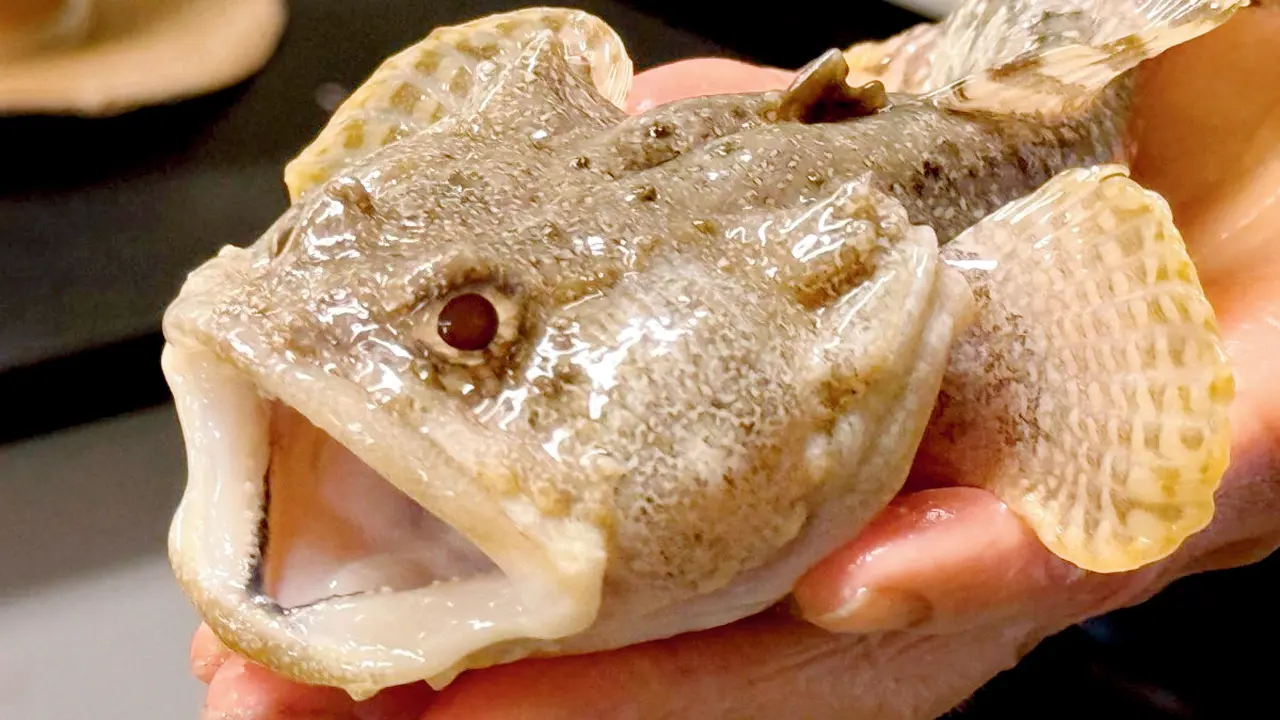
A primary example of this phenomenon can be seen in the Gulf toadfish (Opsanus beta). While perhaps not the most aesthetically pleasing inhabitant of the coastal waters, the toadfish serves as a critical model for understanding these microbial interactions. By studying the gut environment of the toadfish, researchers were able to isolate the influence of bacteria on the precipitation of calcium carbonate.
The toadfish, like other teleosts, processes large volumes of seawater. The study of this specific species helped highlight how the intestinal environment acts as a bioreactor, where the combination of host chemistry and microbial activity creates the ideal conditions for mineral formation. This suggests that the “ugly” toadfish may actually be performing a vital service for the planet by contributing to the regulation of ocean chemistry.
Why the Gulf Toadfish is a Significant Model
- Environmental Niche: Its presence in coastal and offshore environments makes it a representative of broader teleost behaviors.
- Physiological Clarity: The toadfish’s interaction with seawater provides a clear window into how mineral precipitation occurs in the gut.
- Microbial Diversity: The species hosts a microbiome that is conducive to the study of calcium carbonate production.
Broader Implications for Ocean Health and Climate Science
The revelation that fish gut bacteria contribute to the production of calcium carbonate has far-reaching implications for how we approach marine conservation and climate change. If the ocean’s ability to store carbon is partially dependent on the symbiotic relationship between fish and their microbes, then any factor that disrupts this microbiome could potentially impair the marine carbon cycle.
Potential disruptors include:
- Ocean Acidification: As the ocean absorbs more CO2, the pH drops, which can make it harder for calcium carbonate to form. This could affect not only the fish’s ability to produce the mineral but also the survival of the bacteria that facilitate the process.
- Pollution and Antibiotics: Chemical runoff or the presence of pharmaceutical pollutants in the water could alter the gut flora of marine fish, inadvertently slowing down the production of carbon-sequestering minerals.
- Temperature Shifts: Warming oceans can change the metabolic rates of both the fish and their microbes, potentially decoupling the partnership.
For scientists, this means that “ocean health” must now be viewed through a more microscopic lens. We cannot simply count fish populations to determine the health of an ecosystem; we must also consider the health of the microbiomes within those populations. This adds a new layer of complexity to related explainer on marine biodiversity and the management of fisheries.
Correcting Common Misconceptions
This discovery helps clear up several common misunderstandings regarding marine biology and carbon sequestration.
Misconception 1: Only Corals and Shellfish Sequester Carbon
Many people believe that carbon sequestration in the ocean is solely the domain of “calcifiers” like corals, mollusks, and certain types of plankton. While these are the most visible contributors, the research into fish gut bacteria shows that bony fish also play a role in mineral production, albeit through a different biological pathway involving their digestive systems.
Misconception 2: Gut Bacteria are Only for Digestion
It is common to think of gut bacteria purely in terms of breaking down food and absorbing nutrients. However, the University of Miami study proves that the microbiome can perform “extracellular” services—in this case, contributing to the chemical makeup of the external environment by producing minerals that are eventually excreted or passed into the ocean.
Misconception 3: Fish are Passive Participants in Ocean Chemistry
Fish are often viewed as consumers within the food web. This research reframes them as active chemical engineers. Through their partnership with microbes, fish are essentially contributing to the “geological” work of the ocean by aiding in the creation of calcium carbonate.
The Future of Marine Microbiome Research
The work led by Anthony Bonacolta opens the door to a new field of inquiry. If the Gulf toadfish and other teleosts utilize gut bacteria for mineral production, it is highly likely that other species—perhaps in different ocean zones or depths—utilize similar or even more complex microbial partnerships.
Future research is likely to focus on:
- Species Mapping: Determining which other fish species rely on gut microbes for calcium carbonate production and whether this is a universal trait among all teleosts.
- Microbial Identification: Identifying the specific strains of bacteria responsible for this process to see if they are common across different marine environments.
- Quantification: Calculating exactly how much calcium carbonate is produced via this fish-microbe partnership on a global scale to refine carbon cycle models.
As we refine our understanding of these biological mechanisms, the intersection of microbiology and geochemistry will become increasingly important. The discovery that fish gut bacteria may play key role in regulating ocean health – Mid-day updates to our understanding of the ocean’s resilience, reminding us that the smallest organisms often drive the largest global processes.
Frequently Asked Questions
What is the role of calcium carbonate in the ocean?
Calcium carbonate is a mineral essential for building the skeletons of corals and the shells of mollusks. More importantly, it plays a vital role in the marine carbon cycle by sequestering carbon from the water and eventually storing it in ocean sediments, which helps regulate atmospheric CO2 levels.
Which fish are involved in this process?
The study specifically highlights “teleosts,” which are bony fish. A key example used in the research is the Gulf toadfish (Opsanus beta). Because these fish drink seawater to stay hydrated, they provide the necessary environment for gut bacteria to help produce calcium carbonate.
Why was this discovery surprising to scientists?
For a long time, researchers believed that the production of calcium carbonate in fish was a purely physiological process controlled by the fish’s own body. The discovery that bacteria in the gut are essential participants reveals a symbiotic relationship that had been previously overlooked.
How does this affect our understanding of climate change?
By identifying a new pathway for carbon sequestration involving fish and their microbiomes, scientists can more accurately model how the ocean stores carbon. It also highlights a new vulnerability: if pollution or acidification harms fish gut bacteria, it could potentially disrupt a natural mechanism that helps regulate the global carbon cycle.
Who conducted this research?
The research was led by Anthony Bonacolta, a former graduate student at the University of Miami Rosenstiel School of Marine, Atmospheric, and Earth Science.
