Health Workers Confront Hidden Cancer Risks in Everyday Work Environments
Healthcare professionals are often celebrated for their dedication to saving lives, yet a growing body of research reveals a less-discussed reality: many face prolonged exposure to cancer-linked hazards in their daily work. From chemical agents to radiation and even airborne pathogens, these risks are often overlooked, leaving workers unaware of the long-term consequences. A recent analysis of occupational health data highlights the urgent need for systemic changes to protect those who care for others.
The Hidden Dangers in Healthcare Workspaces
While hospitals and clinics are designed to prioritize patient safety, the same rigor is not always applied to safeguarding healthcare workers. Exposure to carcinogens can occur through multiple pathways, including direct contact with hazardous substances, inhalation of toxic fumes, or prolonged use of medical equipment that emits ionizing radiation. These risks are not always immediately apparent, making them particularly insidious.
One of the most common sources of exposure is chemotherapy drugs, which are potent enough to treat cancer in patients but can pose significant health risks to those handling them. Studies have shown that healthcare workers, particularly those in oncology units, may absorb trace amounts of these chemicals through skin contact or airborne particles. Over time, this cumulative exposure could increase the likelihood of developing certain cancers, though the exact mechanisms and thresholds remain under investigation.
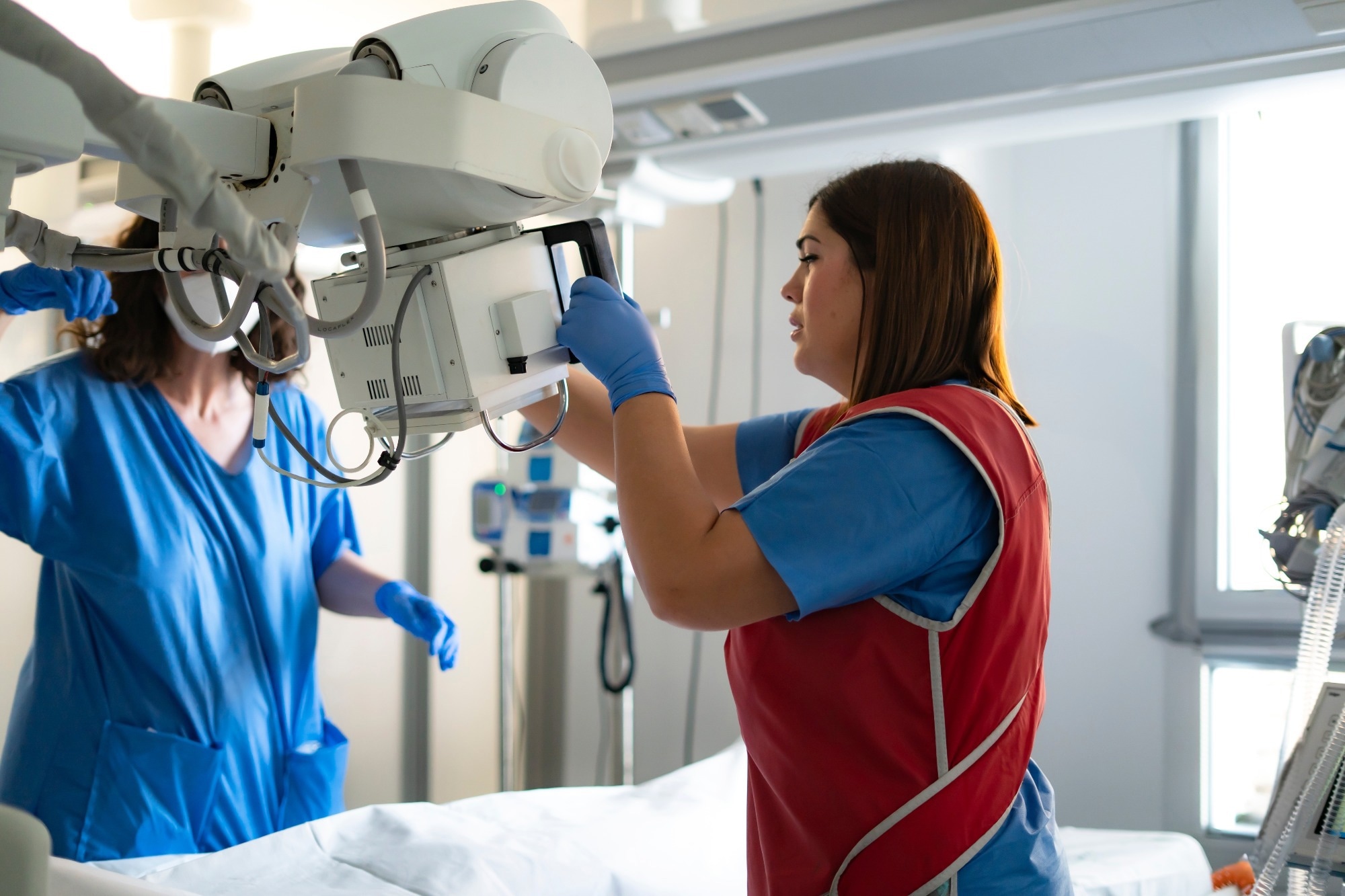
Another concern is the use of medical imaging equipment. X-ray machines, CT scanners, and other devices emit low levels of ionizing radiation, which, while regulated, can still contribute to long-term cancer risk if not properly managed. Nurses, radiologists, and technicians who work closely with these tools may not always be fully aware of the potential dangers or the importance of protective measures like lead aprons and regular monitoring.
Chemical and Biological Hazards
Beyond pharmaceuticals and radiation, healthcare workers also encounter a range of other hazardous materials. Disinfectants, sterilizing agents, and even common cleaning products contain chemicals that have been linked to cancer in some studies. For example, formaldehyde, a known carcinogen, is frequently used in pathology labs and funeral homes. Prolonged exposure to such substances, even at low levels, can have cumulative effects.

Biological hazards, such as exposure to viruses or bacteria, also play a role. While these are typically associated with infectious diseases, some pathogens—like human papillomavirus (HPV) or hepatitis B—have been linked to specific cancers. Healthcare workers who treat patients with these conditions may face an elevated risk, especially if they lack adequate personal protective equipment (PPE) or training.
Key Findings from Recent Research
Recent studies have begun to quantify the scale of this issue, though the data remains fragmented due to varying reporting standards across regions. A 2023 report by a global health organization estimated that nearly 30% of healthcare workers in Europe are regularly exposed to at least one cancer-linked hazard. This figure is likely an underestimate, as many cases go unreported or undiagnosed.
One of the most alarming trends is the rise in occupational cancers among support staff, such as janitors and administrative personnel, who often work in close proximity to medical waste or contaminated areas. These workers may not receive the same level of training or protective gear as clinical staff, leaving them particularly vulnerable.
Another study highlighted the role of occupational stress in exacerbating health risks. Chronic exposure to high-pressure environments, irregular shifts, and emotional strain can weaken the immune system, potentially increasing susceptibility to cancer and other illnesses. While not a direct cause, this factor underscores the need for holistic approaches to worker well-being.
Global Variations in Exposure Risks
The extent of these risks varies widely depending on geography, healthcare infrastructure, and regulatory frameworks. In low- and middle-income countries, where safety protocols may be less stringent, healthcare workers often face higher exposure levels. Conversely, wealthier nations with robust occupational health programs have made strides in mitigating these risks, though challenges remain.
For instance, in some regions, the use of protective gear is inconsistent, and workers may lack access to regular health screenings. In contrast, countries with strict regulations often mandate routine testing and provide comprehensive training on hazard management. However, even in these areas, the long-term effects of low-level exposure are still not fully understood.
Who Is Affected?
The scope of this issue extends beyond clinical staff to include a wide range of healthcare workers. Nurses, physicians, and medical technicians are the most obvious groups at risk, but support roles such as housekeeping, laundry staff, and even cafeteria workers can also be exposed to hazardous materials. For example, those handling laundry from isolation units may come into contact with biohazardous waste, while cafeteria staff might inhale cleaning agents used in high-traffic areas.

Administrative personnel, though less likely to encounter direct hazards, may still face risks from prolonged exposure to electronic devices that emit electromagnetic radiation. While the link between this type of radiation and cancer remains debated, some studies suggest a possible association, particularly with long-term, high-frequency use.
healthcare workers in specialized fields—such as those in dental clinics, veterinary services, or home healthcare—often operate in environments where safety standards may be less rigorously enforced. These professionals may not always have access to the same resources as their counterparts in larger hospitals, leaving them more exposed to preventable risks.
The Role of Workplace Culture
Workplace culture also plays a critical role in determining exposure levels. In some facilities, there may be a lack of awareness or prioritization of occupational health. For instance, if staff are discouraged from reporting safety concerns or if there is a shortage of protective equipment, the risk of exposure increases. Conversely, organizations that foster a culture of safety, provide regular training, and encourage open communication about hazards are better equipped to protect their workers.
Another factor is the pressure to meet productivity
