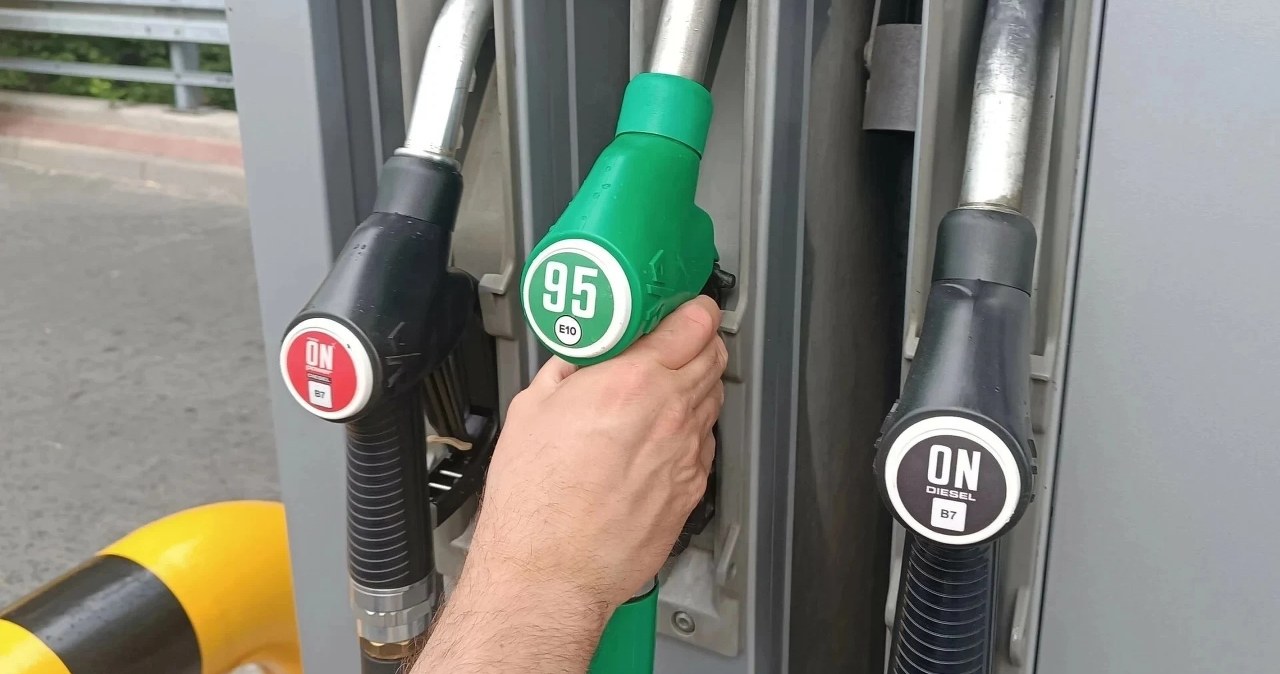
Poland’s fuel price cap policy has created an unexpected tech-driven economic experiment: a surge in cross-border “petrol tourism” that is reshaping regional energy markets—and testing the limits of government intervention in real-time pricing systems.
The CPN (Cena Paliwa Niżej) initiative, launched in late March 2026, set daily maximum fuel prices and slashed taxes to the EU’s minimum threshold. The result? A 25.6% year-over-year spike in fuel sales in April, as drivers from neighboring countries flocked to Polish stations to take advantage of prices as low as 5.70 zł per liter ($1.40) in some locations. While the policy was designed to mitigate energy price shocks from the Middle East conflict, its unintended consequence has been a regional subsidy effect—one that now threatens to destabilize both public finances and corporate profits.
How the Price Cap System Works—and Why It’s Failing
The CPN mechanism relies on two key technical components:
- Dynamic daily price caps: The government sets a maximum retail price for fuel, adjusted based on wholesale fluctuations. This creates a “buffer” against global price volatility.
- Tax floor alignment: By reducing fuel taxes to the EU’s minimum allowable level, Poland effectively undercuts neighboring countries where higher taxes push prices above 7 zł per liter.
However, the system’s reliance on temporary price suppression has exposed critical vulnerabilities. The policy is projected to cost the state €1.14 billion by June 30, forcing a 6 billion zloty ($1.64 billion) windfall tax on energy companies—primarily Orlen SA, Poland’s largest fuel producer. The tax, announced without prior consultation, has sent Orlen’s stock into volatility as investors weigh its impact against Q1 earnings.
Regulatory Pressure Meets Market Reality
The windfall tax proposal highlights a broader tension: governments can manipulate fuel prices in the short term, but they cannot control global supply chains or corporate revenue models. Orlen, which operates refineries across Europe, faces a double bind—higher regulatory costs at home while competing with international peers benefiting from Poland’s artificially low prices.
Meanwhile, the broader Polish economy shows signs of strain. Retail sales growth slowed to 1.3% year-over-year in April, a sharp contrast to the 25.6% fuel sales surge. The data suggests consumers are prioritizing subsidized essentials over discretionary spending, a trend that could worsen if the Middle East conflict disrupts shipping routes further.
What’s Next for Poland’s Fuel Experiment
With the price cap set to expire on June 3, the government faces three potential paths:

- Extend the policy: Risking deeper fiscal strain and potential EU scrutiny over state aid rules.
- Phase out caps gradually: Allowing prices to rise incrementally to avoid market shock.
- Introduce border controls: A politically sensitive move that could alienate neighboring countries already frustrated by the subsidy effect.
The CPN initiative serves as a case study in how real-time pricing systems—when deployed without long-term structural reforms—can create unintended economic ripple effects. For energy companies, the lesson is clear: regulatory arbitrage has limits, and the cost of compliance may soon outweigh the benefits of subsidized sales.
