
Tech Sell-Off and Rate-Hike Fears Drive Wall Street Plunge: Analyzing the AI Sector Crash
Wall Street experienced a seismic shift in sentiment this week as a combination of overheating labor data and a sudden reversal in artificial intelligence enthusiasm triggered a massive market retreat. The Nasdaq and S&P 500 both suffered their worst trading sessions of the year, driven by a aggressive sell-off in the semiconductor space and mounting concerns that the Federal Reserve may be forced to raise interest rates to cool the economy.
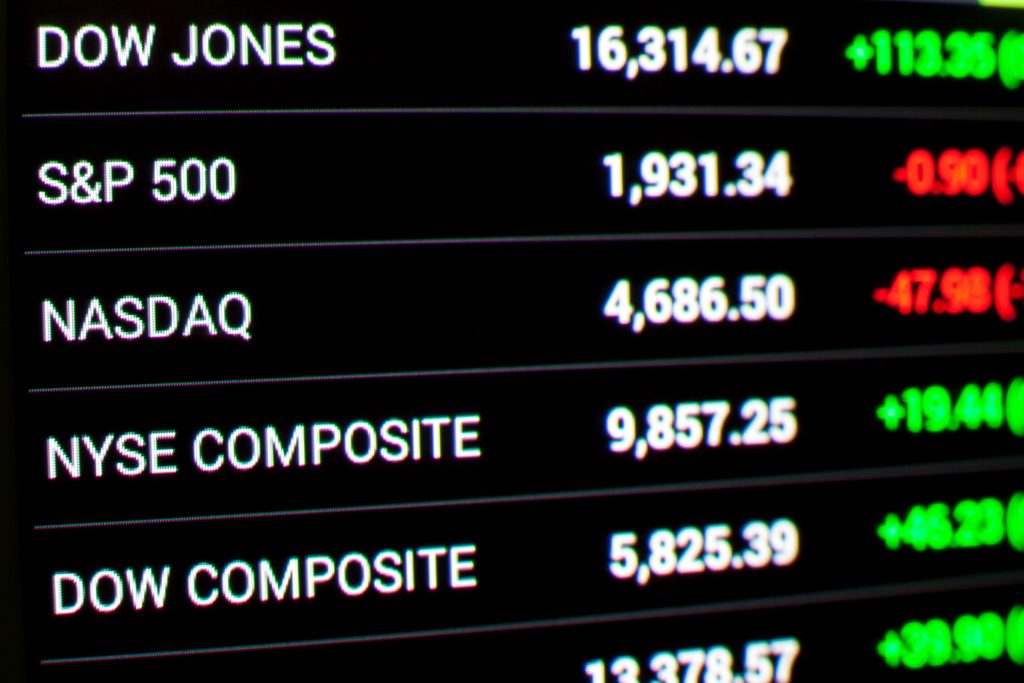
The volatility was most pronounced in the tech-heavy Nasdaq, which plummeted by over 4%, marking its most significant single-day decline since April 2025. This downturn was not merely a routine correction but a concentrated “bloodbath” within the chips sector, as investors rapidly exited positions in AI-linked equities. The broader market followed suit, with the Dow Jones Industrial Average and the S&P 500 also sinking under the weight of macroeconomic uncertainty and shifting expectations regarding monetary policy.
The Catalyst: How a Strong Jobs Report Fueled Market Panic
At first glance, a robust jobs report appears to be a sign of economic health. However, in the current financial climate, strong employment data has become a primary trigger for market anxiety. The recent report indicated a labor market that remains unexpectedly resilient, which has paradoxically fueled bets that the Federal Reserve will need to implement further rate hikes to combat persistent inflationary pressures.
The logic driving this reaction is rooted in the Federal Reserve’s dual mandate of price stability and maximum sustainable employment. When the jobs market remains too “hot,” it can lead to wage-push inflation, where rising salaries force companies to increase prices for goods, and services. To prevent an inflationary spiral, the Fed typically raises the federal funds rate, increasing the cost of borrowing across the entire economy.
For investors, the rise in rate-hike odds creates a challenging environment. Higher interest rates generally lead to:
- Increased Borrowing Costs: Companies that rely on debt to fund growth find their interest expenses rising, which eats into net profit margins.
- Lower Present Value of Future Earnings: Many tech companies are valued based on their projected earnings years into the future. When rates rise, the “discount rate” used to calculate the current value of those future profits also rises, leading to lower current stock valuations.
- Shift Toward Fixed Income: As bond yields rise in tandem with interest rates, conservative investors may move capital out of volatile equities and into safer, yield-bearing government bonds.
The Chips Sector Bloodbath and the AI Reversal
While macroeconomic fears provided the spark, the tech sector—specifically the semiconductor industry—provided the fuel. The Nasdaq’s 4.2% drop was largely a result of a massive exit from AI-centric chip stocks. For several quarters, these companies saw their valuations soar to historic highs, driven by the promise of a generative AI revolution that would fundamentally rewrite global productivity.
However, the current plunge suggests a shift in investor psychology from “growth at any cost” to a demand for immediate, tangible returns. The “AI trade,” which had become the dominant theme on Wall Street, appears to be losing steam as traders question whether the current valuations are sustainable. When the broader market sentiment turns bearish due to rate-hike fears, the most “expensive” stocks—those with the highest price-to-earnings (P/E) ratios—are typically the first to be sold off.
The rapid decline in chip stocks highlights the fragility of momentum-driven rallies. When the fundamental narrative shifts from technological optimism to macroeconomic risk, high-growth sectors often experience the most violent corrections.
This sector-specific rout has dragged down the Nasdaq Composite and heavily impacted the S&P 500, given the massive weighting of “Mega-Cap” tech firms within these indices. The scale of the sell-off indicates that the market is currently pricing in a more aggressive Federal Reserve and a potential cooling of the AI investment cycle.
Comparing the Current Plunge to Recent Market History
To understand the severity of this event, We see necessary to look at the timeline of recent volatility. The fact that the Nasdaq has not seen a day this poor since April 2025 suggests that the market had grown complacent, operating under the assumption that the AI boom could insulate tech stocks from the pressures of rising interest rates.
| Market Metric | Current Event Impact | Primary Driver |
|---|---|---|
| Nasdaq Composite | Down 4% to 4.2% | Chip sector sell-off & AI valuation reset |
| S&P 500 | Worst day of the year | Broad tech decline & rate-hike fears |
| Dow Jones | Significant Decline | General risk-off sentiment |
| Fed Expectations | Increased Hike Odds | Strong labor market/Jobs report |
Unlike the corrections seen earlier in the year, which were often fragmented across different sectors, this plunge is characterized by a high degree of correlation. The “tech sell-off, rate-hike fears drive Wall Street plunge” narrative is a textbook example of how macroeconomic policy and sector-specific hype can collide to create a liquidity event.
The Broader Economic Implications of the Sell-Off
The implications of this market rout extend beyond the portfolios of individual traders. A significant drop in tech valuations can have a cascading effect on the real economy, particularly in the realms of corporate investment and venture capital.
Impact on Corporate Capital Expenditure (CapEx)
Many companies have spent billions of dollars investing in AI infrastructure, including hardware and software licenses. If the stock prices of the primary providers of this technology collapse, it may signal a broader slowdown in AI adoption or a realization that the return on investment (ROI) is taking longer than expected to materialize. This could lead to a reduction in capital expenditure across the Fortune 500.
The “Risk-Off” Sentiment
When the Nasdaq and S&P 500 suffer their worst days of the year, it typically triggers a “risk-off” environment. In this state, investors flee volatile assets (like growth stocks and cryptocurrencies) and seek refuge in “safe-haven” assets. This shift can lead to increased volatility in currency markets and a spike in the demand for gold or short-term Treasury bills.
Psychological Impact on Retail Investors
The abruptness of the chip sector crash often leads to panic selling among retail investors. Because AI stocks were heavily marketed as the “future of the economy,” a sudden 4% drop in a single day can shatter confidence, leading to a cycle of selling that further depresses prices regardless of the underlying company fundamentals.
Common Misconceptions About the Current Market Decline
In the wake of a market crash, several oversimplifications often emerge. It is important to distinguish between the noise and the actual economic drivers.
Misconception 1: “The AI bubble has burst.”
While the sell-off is severe, a “burst bubble” usually implies that the underlying technology is a failure. In this case, the decline is driven more by valuation and interest rates than by a failure of AI technology itself. The tools are still being deployed; the market is simply arguing over how much those tools are worth today.
Misconception 2: “A strong jobs report is always good for stocks.”
As demonstrated by this plunge, in a high-inflation environment, “good news is terrible news.” A strong jobs report is a signal to the Federal Reserve that the economy is not cooling enough, which justifies higher interest rates. For the modern stock market, a slightly weaker jobs report is often more welcomed because it increases the likelihood of rate cuts or pauses.
Misconception 3: “Only tech stocks are affected.”
Although the Nasdaq took the hardest hit, the Dow and S&P 500 also sank. This represents because the tech sector is so deeply integrated into the broader economy. When the “engines” of growth (AI and chips) stumble, the entire market loses its primary catalyst for upward movement.
Key Points for Investors to Monitor
As the market attempts to find a bottom, several key indicators will determine whether this is a temporary dip or the start of a longer bear market:
- Upcoming FOMC Meetings: Any guidance from the Federal Reserve regarding the frequency or magnitude of future rate hikes will be the primary driver of market direction.
- Earnings Reports from Semiconductor Giants: Investors will be looking for proof of sustained demand for AI chips to justify current price levels.
- CPI and Inflation Data: If inflation continues to trend downward, it may offset the “hot” jobs report and ease the pressure on the Fed to raise rates.
- Treasury Yields: A continued rise in the 10-year Treasury yield typically puts further downward pressure on tech valuations.
For those looking to understand the broader context of these movements, a related explainer on Federal Reserve monetary policy may provide insight into how interest rate cycles historically impact growth equities.
Frequently Asked Questions
Why did the Nasdaq fall so sharply despite AI being a growth industry?
The decline was driven by a combination of “overvaluation” and macroeconomic pressure. While AI is growing, the stock prices had risen so quickly that they became sensitive to any negative news. When a strong jobs report increased the odds of Federal Reserve rate hikes, investors sold off these high-valuation stocks to reduce risk.
What is the relationship between a jobs report and stock market plunges?
In an inflationary environment, a strong jobs report suggests the economy is still running hot. This gives the Federal Reserve a reason to raise interest rates to cool inflation. Since higher rates increase borrowing costs and lower the present value of future earnings, the stock market—especially the tech sector—often reacts negatively to strong employment data.
Is the “chip sector bloodbath” a sign of a larger economic recession?
Not necessarily. A sector-specific sell-off is often a “valuation reset” rather than a sign of a systemic economic collapse. However, because semiconductors are essential for everything from smartphones to data centers, a prolonged slump in this sector can signal a broader slowdown in technological investment.
Why is the S&P 500 affected by a tech sell-off?
The S&P 500 is a market-capitalization-weighted index. In other words the largest companies—many of which are in the technology and AI sectors—have a disproportionate influence on the index’s overall value. When these “mega-cap” tech stocks plunge, they drag the entire index down, even if companies in other sectors are performing steadily.
What should investors look for to see if the market is recovering?
Signs of recovery typically include a stabilization of Treasury yields, a shift in Federal Reserve rhetoric toward “pausing” or “cutting” rates, and positive earnings surprises from the leading semiconductor and AI companies that prove the technology is generating real revenue.
