NASA Updates Worsening ISS Leak After Crew Safety Alert: Full Breakdown of the Station’s Safety Crisis
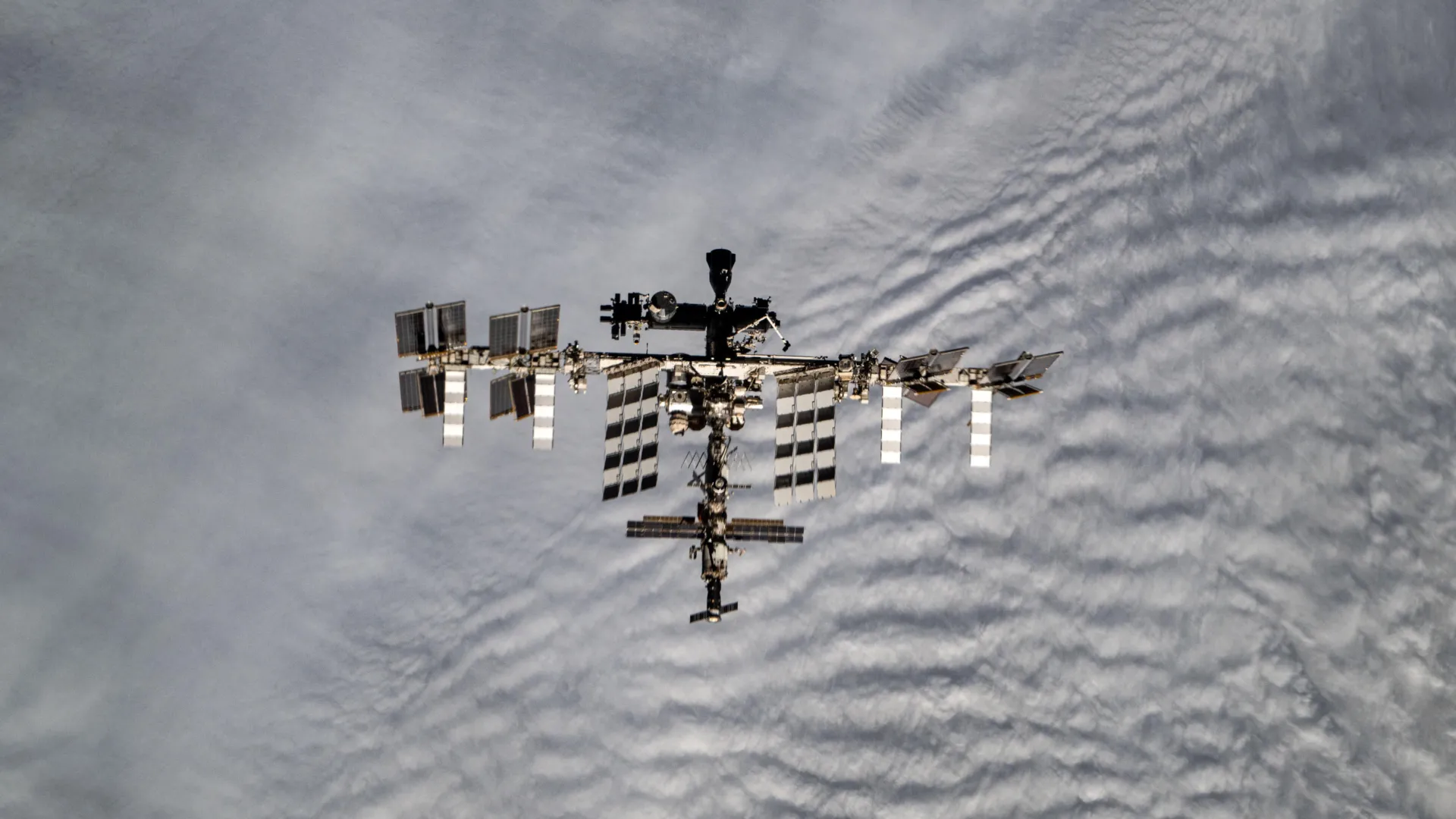
NASA has reversed an evacuation alert for astronauts aboard the International Space Station (ISS) after a reassessment of an air leak risk. Following a period where crew members were directed to board their spacecraft as a safety precaution during repair attempts, officials have confirmed that evacuation preparations have ended. The situation, which initially triggered a high-level safety alert, has stabilized according to recent agency updates.
What triggered the NASA updates worsening ISS leak after crew safety alert?
The situation began when NASA identified an air leak on the International Space Station that appeared to be deteriorating. According to reports from ScienceDaily, the agency issued safety alerts as the leak worsened, prompting a rapid shift in operational priorities to ensure the survival of the crew. In the vacuum of space, maintaining atmospheric pressure is the most critical requirement for human life, and any breach in the station’s hull or seal systems represents an immediate threat.
While the specific location of the leak was not detailed in the initial alerts, the “worsening” nature of the leak indicated that the rate of air loss was increasing or that previous attempts to stabilize the pressure had failed. This volatility is what led NASA to move from standard monitoring to an active safety alert, signaling that the situation had escalated beyond a routine maintenance issue.
| Event Phase | Action Taken | Reported Source |
|---|---|---|
| Leak Detection | Safety alert issued due to worsening conditions | ScienceDaily |
| Emergency Precaution | Crew directed to board spacecraft | CNN |
| Risk Reassessment | Evacuation alert reversed | CBC |
| Stabilization | Evacuation preparations officially ended | Global News |
Why did NASA direct the crew to board their spacecraft?
As the leak repair attempts continued, NASA took the preemptive step of directing ISS crew members to board their docked spacecraft. According to CNN, this move was a safety measure intended to provide the astronauts with a “safe haven” should the leak lead to a catastrophic loss of pressure in the main station modules.
Boarding the spacecraft serves two primary purposes during an atmospheric crisis:
- Immediate Life Support: The spacecraft have independent life support systems and their own pressurized environments, isolated from the ISS’s main hull.
- Rapid Departure Capability: If a leak becomes uncontrollable, the time required to move from a remote module to the escape vehicle can be the difference between a successful evacuation and a tragedy. By having the crew already on board, NASA eliminated the transit time required for an emergency exit.
This maneuver indicates that, at the height of the crisis, the risk was deemed high enough that the agency preferred the crew be in a flight-ready state rather than continuing scientific operations within the station.
How was the evacuation alert reversed?
The tension surrounding the leak eased when NASA performed a reassessment of the air leak risk. As reported by CBC, the agency reversed the evacuation alert, allowing astronauts to exit their spacecraft and return to the main living and working quarters of the ISS. This reversal typically happens only after telemetry data confirms that the leak rate has stabilized or that a temporary fix has successfully slowed the loss of atmosphere.
Following the reversal of the alert, Global News reported that all evacuation preparations have officially ended. This suggests that the immediate danger has passed and the station’s environment is once again considered safe for long-term habitation. The transition from “evacuation preparations” to “normal operations” involves a rigorous check of pressure sensors and a verification that the station’s oxygen generation and scrubbing systems can compensate for any remaining minor leaks.
“NASA reverses evacuation alert for astronauts aboard International Space Station,” as reported by CBC, signaling a critical shift from emergency posture to recovery.
The technical challenges of orbital air leaks
To understand why a “worsening leak” triggers such a drastic response, it is necessary to look at the physics of the International Space Station. The ISS is essentially a series of pressurized cans floating in a vacuum. The pressure difference between the interior (approximately 14.7 psi) and the exterior (0 psi) creates a constant outward force. Any small hole—whether caused by a micrometeoroid impact, thermal cycling fatigue, or a failing seal—will result in air being sucked out of the station.
Common causes of ISS pressure loss
While NASA’s specific cause for this recent alert is under review, orbital leaks generally fall into three categories:
- Micrometeoroid and Orbital Debris (MMOD): Tiny particles traveling at hypersonic speeds can puncture the aluminum skin of the station.
- Seal Degradation: The seals between modules or at the docking ports can wear down over decades of use, especially with the constant expansion and contraction caused by moving from sunlight to shadow every 45 minutes.
- Valve Failure: Internal plumbing and ventilation systems can develop leaks that allow air to escape into non-pressurized zones or directly into space.
The danger of a “worsening” leak is that it can lead to a “rapid decompression” event. If the hole expands quickly, the crew would not have time to reach the spacecraft, making the preemptive boarding order reported by CNN a vital safety protocol.
Understanding the ISS evacuation protocol
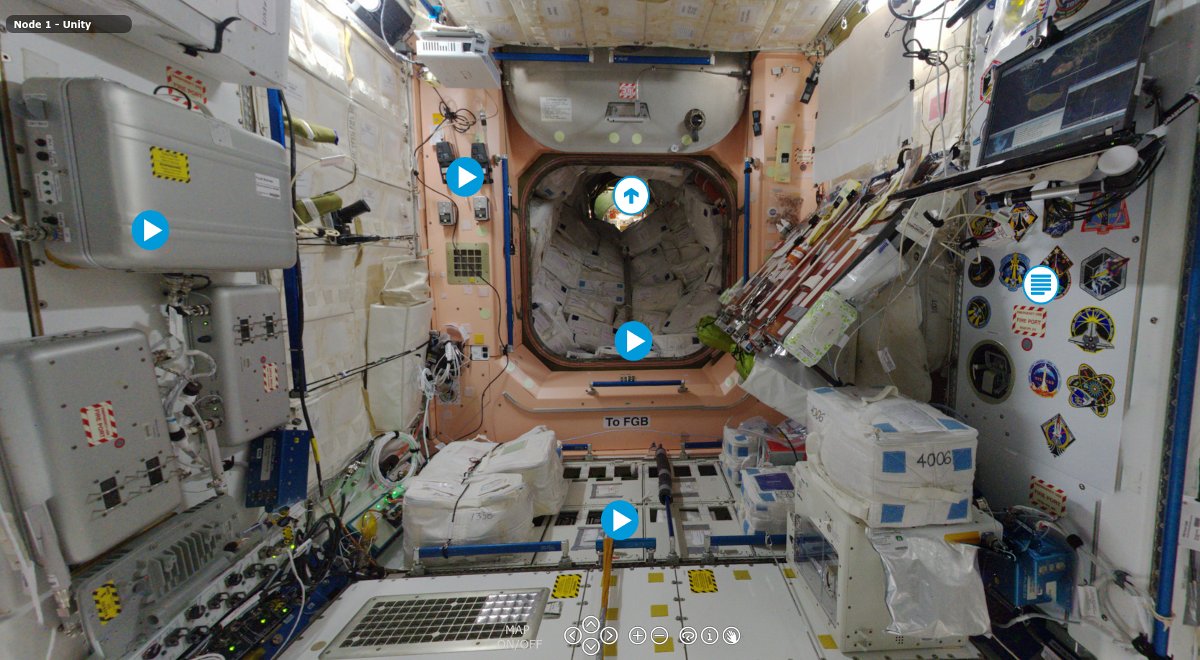
The process of preparing for an evacuation is a complex operation that involves more than just stepping into a capsule. When NASA directs a crew to board their spacecraft amid a leak, several critical steps occur simultaneously.
The “Safe Haven” Strategy
In the event of a station-wide emergency, the docked spacecraft act as lifeboats. The crew must secure all critical research, power down non-essential systems to prevent fires, and move all essential survival gear into the capsule. This process is designed to ensure that even if the ISS becomes uninhabitable, the crew has everything necessary to survive a return trip to Earth.
Risk Assessment Metrics
NASA engineers on the ground monitor the “leak rate”—the amount of air lost per day. If the leak rate exceeds the capacity of the station’s nitrogen and oxygen tanks to replenish the air, an evacuation becomes mandatory. The reversal of the alert, as noted by CBC, indicates that the leak rate was brought back within a manageable threshold or stopped entirely.
For those interested in the broader safety architecture of the station, a related explainer on orbital safety protocols may provide further insight into how NASA manages long-term risks in LEO (Low Earth Orbit).
Implications for the future of the International Space Station
This incident highlights the ongoing struggle of maintaining a structure that has been in orbit for over two decades. The ISS is an aging asset, and the frequency of “worsening leaks” and safety alerts is a reminder of the inherent risks of long-term space habitation.
The aging hull problem
As the station reaches the end of its intended lifespan, material fatigue becomes a primary concern. The constant stress of thermal cycling and the impact of space debris mean that the probability of leaks increases over time. This event underscores why NASA and its international partners are increasingly looking toward commercial space stations to replace the ISS.
Impact on scientific research
Every time a crew is ordered to board their spacecraft, weeks of scientific research can be jeopardized. Experiments that require precise temperature control or constant monitoring are often interrupted during safety alerts. While the crew is safe, the loss of “science time” is a significant cost of these atmospheric crises.
Frequently Asked Questions
Is the International Space Station currently safe for the crew?
Yes. According to reports from Global News and CBC, NASA has reversed the evacuation alert and ended evacuation preparations, indicating that the risk has been mitigated and the station is safe for the crew to resume operations.
.jpg/560px-International_Durastar_4400_(16279366960).jpg "Is the International Space Station currently safe for the crew?")
What happens if an ISS leak cannot be fixed?
If a leak exceeds the station’s ability to replenish its air and cannot be patched, NASA would initiate a full evacuation. The crew would depart in their docked spacecraft, and the station would either be abandoned or transitioned to an uncrewed state until a permanent solution could be found.
How do astronauts find a leak in space?
Astronauts use several methods to locate leaks, including ultrasonic leak detectors (which “listen” for the sound of escaping air) and applying soapy water or specialized gels to suspected seals to look for bubbles. Ground control also uses pressure sensors to determine which module is losing air the fastest.
Why was there a “safety alert” if the crew didn’t actually evacuate?
In high-risk environments like the ISS, NASA operates on a “conservative” safety posture. A safety alert is issued as a precaution to ensure that all survival measures are in place before they become an absolute necessity. The fact that the crew boarded the spacecraft shows that NASA prioritizes life over operational convenience.
