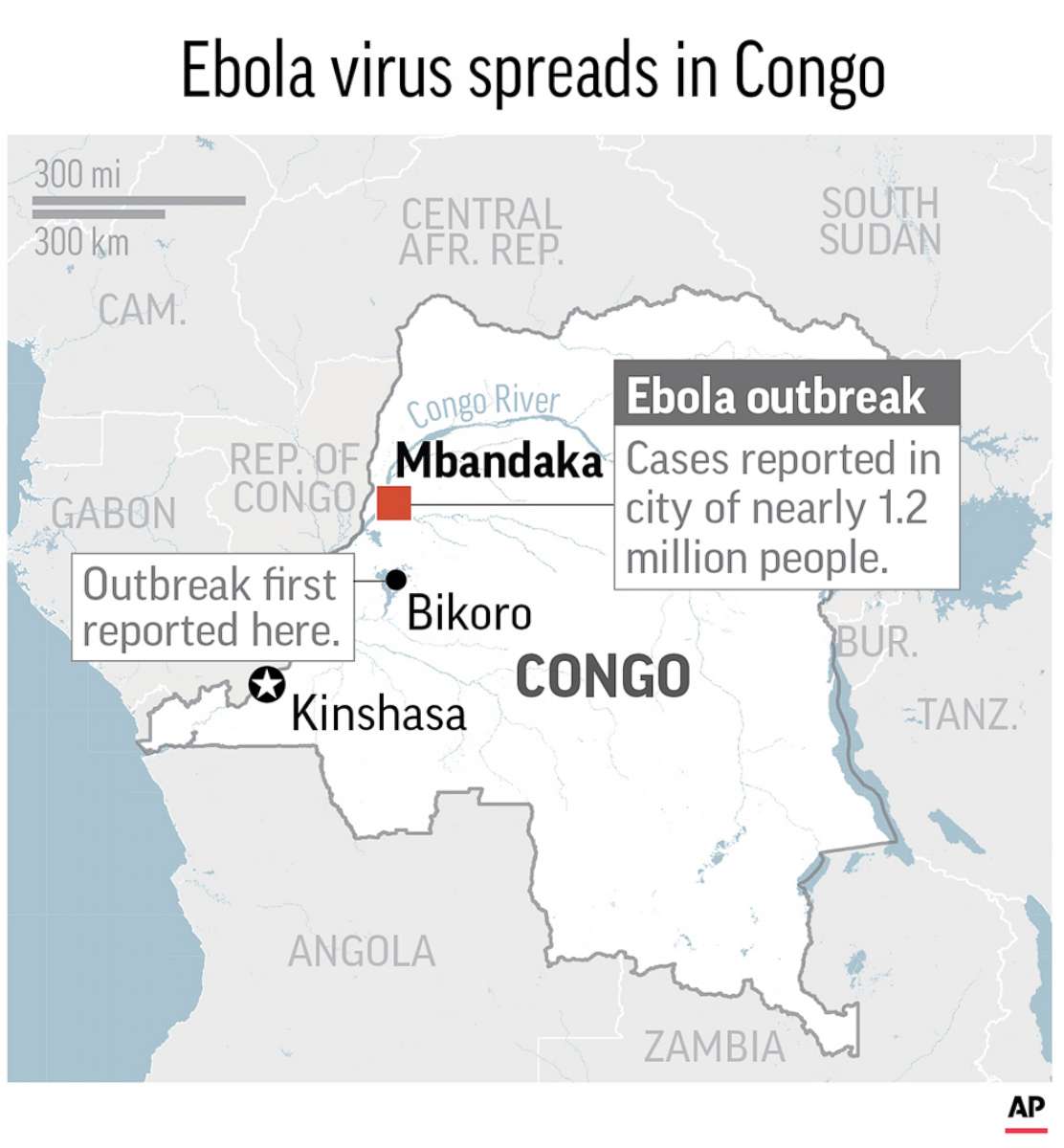
The Ebola outbreak in the Democratic Republic of the Congo (DRC) is spreading at an unprecedented rate, according to medical officials, with the virus now appearing in Kampala, Uganda. Public health organizations are warning that the speed of transmission is highly unusual, complicating containment efforts in a region already destabilized by violence.
Key Developments
- Doctors Without Borders (MSF) has described the current rate of Ebola spread as
very alarming
. - Two new confirmed cases of the virus have been identified in Kampala, Uganda.
- Ongoing armed conflict in eastern DRC is severely hindering the ability of health workers to track and treat patients.
Rapid Transmission Rates
Medical teams on the ground have expressed deep concern over the velocity of the current outbreak. Personnel from Doctors Without Borders indicated that the virus is moving faster than in previous iterations of the disease in the region.
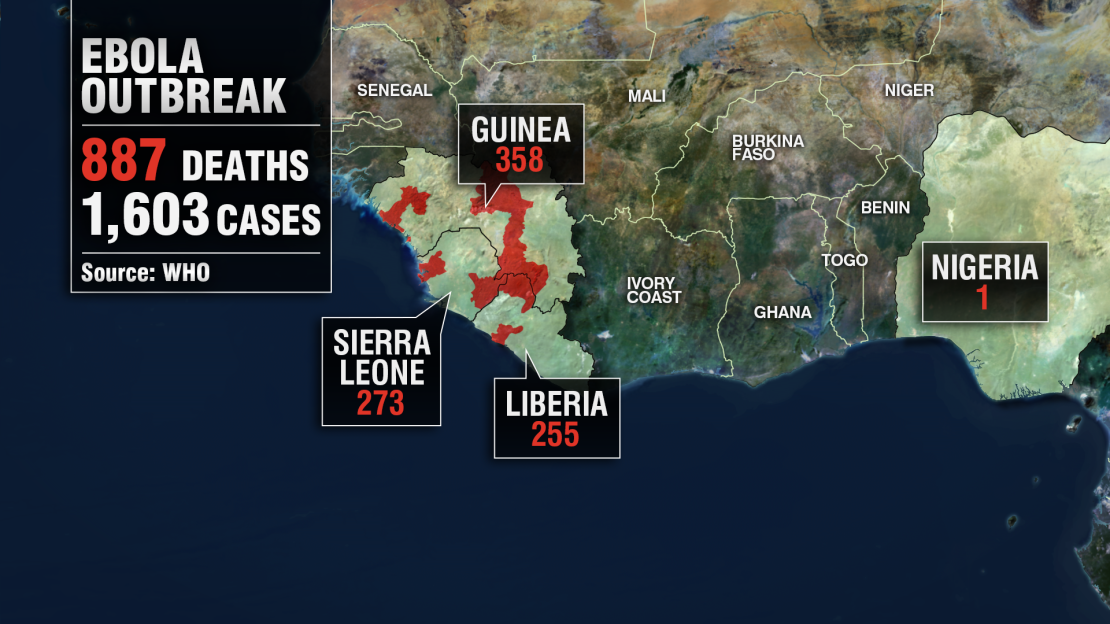
The spread has never gone so speedy. Doctors Without Borders
This acceleration increases the risk of wider regional transmission and puts immense pressure on fragile healthcare infrastructures that are already struggling to provide basic services.
The Impact of Regional Conflict
Containment efforts are being systematically undermined by instability in eastern Congo. The World Health Organization (WHO) has criticized the ongoing conflict in the region, noting that violence creates a vacuum where public health interventions cannot operate safely or effectively.
The human toll of the conflict also shifts the priorities of the affected populations. Anthony Caere, a pilot operating in the Virunga region, observed that for many residents, the threat of violence outweighs the fear of disease. He noted that when entire villages are being targeted by armed groups, Ebola is not your first concern
.
This dynamic creates a dangerous environment for disease surveillance; when populations are displaced or in hiding due to war, they may not seek medical care or report symptoms, allowing the virus to spread undetected through communities.
Regional Spread to Uganda
The volatility of the situation in the DRC has already resulted in cross-border transmission. Health authorities have confirmed two new cases of Ebola in Kampala, the capital of Uganda. These cases highlight the difficulty of isolating the outbreak within a single country’s borders, especially in areas with high mobility and porous boundaries.
Public health officials continue to monitor the situation, though the intersection of a fast-moving pathogen and active warfare remains a primary obstacle to eradicating the current cluster of infections.
