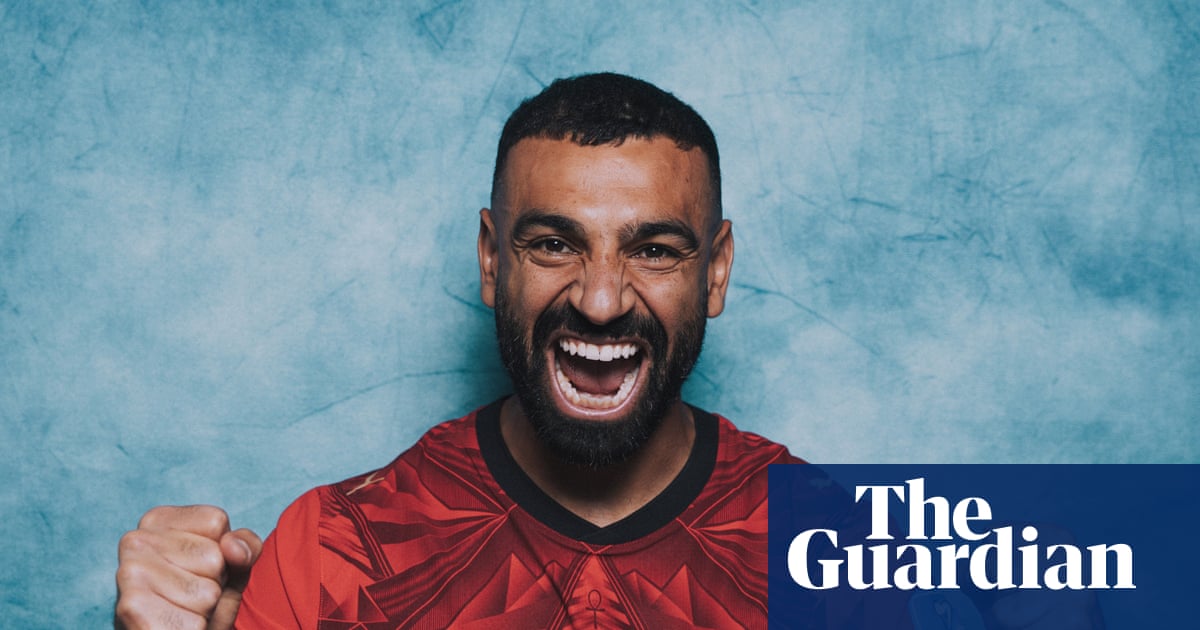
Mohamed Salah has eyes of a nation on him as Egypt look to end 92-year wait
Mohamed Salah faces immense national pressure as Egypt prepares for the 2026 FIFA World Cup, seeking to break a 92-year drought of significant tournament success. According to reports from The Guardian and Goal.com, the Liverpool forward is viewed as the essential catalyst for the national team’s ambition to advance beyond the group stages and redefine Egypt’s standing in global football.
Why is Mohamed Salah the focal point of Egypt’s 2026 World Cup campaign?
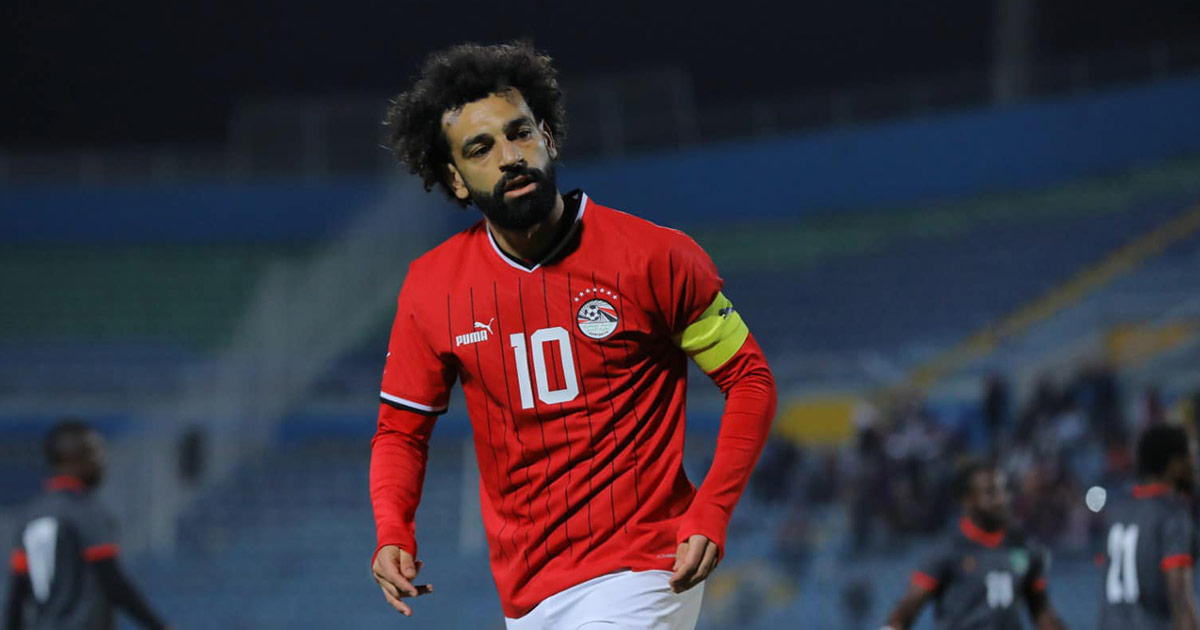
The Egyptian national team, known as the Pharaohs, views Mohamed Salah not just as a primary goalscorer but as the psychological anchor of the squad. The Guardian reports that the eyes of a nation are on Salah as Egypt attempts to end a 92-year wait for a deep run in the World Cup. This timeline traces back to Egypt’s early participation in the tournament, marking nearly a century since the country achieved a level of competitive relevance on the world stage that the current government and sporting bodies desire.
Salah’s role extends beyond the pitch. He is the most recognizable Egyptian athlete globally, and his performance is often conflated with the national mood. Goal.com notes that Salah is the “poster boy” for the team, meaning any failure to progress is likely to be attributed to his inability to deliver in the most critical moments.
Key factors driving this expectation include:
- Individual Pedigree: Salah’s consistent record in the English Premier League makes him one of the few players capable of deciding a match single-handedly.
- Lack of Alternatives: While the squad has talent, Egypt lacks another player with the same level of experience against top-tier international defenses.
- National Identity: As discussed in a piece by Daily News Egypt, the team represents a “goalpost of belonging,” where football serves as a primary vehicle for national pride.
How does the previous World Cup “nightmare” influence current expectations?
The narrative surrounding Egypt’s 2026 ambitions is heavily colored by past failures. Goal.com describes Salah’s previous World Cup experience as a “waking nightmare,” characterized by missed opportunities and a failure to translate club-level dominance into international success. This previous disappointment has created a redemption arc for the forward.

The contrast between Salah’s club form and his international World Cup output has been a point of contention. In the Premier League, he is a clinical finisher; however, in previous World Cup appearances, the Pharaohs often relied too heavily on him, allowing opposing defenses to isolate him. This tactical dependency turned the tournament into a personal and national struggle.
“Now Egypt’s poster boy needs to deliver when it matters most,” reports Goal.com, emphasizing that the 2026 tournament is the definitive window for Salah to cement his legacy as a national hero rather than just a global star.
The pressure is exacerbated by the fact that Salah is entering the twilight of his peak years. The 2026 tournament may represent the final opportunity for the current golden generation of Egyptian talent to make a mark.
What is the technical outlook for Egypt in the 2026 FIFA World Cup?
According to a preview by Chase Your Sport, Egypt’s path to success depends on a blend of squad stability and tactical evolution. The focus is no longer solely on Salah’s individual brilliance but on building a cohesive unit that can support him.
The predicted lineup and squad strategy focus on several key areas:
| Focus Area | Strategic Goal | Key Requirement |
|---|---|---|
| Offensive Transition | Reducing reliance on Salah | Developing secondary scoring threats in the midfield. |
| Defensive Structure | Preventing early goals | Maintaining a disciplined low block against elite nations. |
| Squad Depth | Managing fatigue | Integrating younger talent from the Egyptian Premier League. |
Chase Your Sport suggests that Egypt’s fixtures will determine their momentum. If the Pharaohs can secure an early win in the group stages, the psychological burden on Salah may decrease, allowing him to play with more freedom. Conversely, a slow start could reignite the “nightmare” narrative, placing the entire weight of the tournament on his shoulders.
Related analysis on international squad management suggests that teams relying on a single superstar often struggle when that player is marked out of the game.
What is the social and cultural significance of the Pharaohs’ success?
Football in Egypt is more than a sport; it is a social barometer. Daily News Egypt explores the concept of “Goalposts of Belonging,” suggesting that the national team’s performance reflects the country’s internal sense of identity and global standing. When the Pharaohs succeed, it provides a rare moment of unified national celebration.
The 92-year wait mentioned by The Guardian is not just a sporting statistic. It represents a long period of perceived stagnation on the world’s biggest stage. For many Egyptians, seeing the national team progress beyond the group stages would be a symbolic victory, proving that the nation can compete with the traditional powerhouses of Europe and South America.
This cultural weight creates a unique environment for the players:
- Hyper-Visibility: Every touch of the ball by Salah is analyzed by millions of fans.
- Emotional Volatility: The transition from national adoration to intense criticism can happen in a single match.
- Symbolic Burden: The team is expected to carry the hopes of a population that views football as a primary source of international prestige.
Comparing the narrative: The Guardian vs. Goal.com
While both outlets agree on the importance of the 2026 World Cup, they frame the pressure on Mohamed Salah differently. The Guardian focuses on the historical and nationalistic angle, emphasizing the 92-year wait and the eyes of the nation. Their approach is one of gravity and legacy.
In contrast, Goal.com adopts a more psychological and performance-based tone. By using terms like “waking nightmare,” they highlight the personal trauma of past failures and the urgent need for individual redemption. Where The Guardian sees a national quest, Goal.com sees a personal battle for Salah to prove his worth on the biggest stage.
This difference in framing illustrates the two-fold pressure on the player: he must satisfy the historical longing of his country while simultaneously overcoming his own past tournament struggles.
Common misconceptions about Egypt’s World Cup hopes
One frequent oversimplification is that Egypt’s success depends entirely on whether Mohamed Salah scores. While he is the primary threat, tactical analysis suggests that Egypt’s failure in previous tournaments was often due to a lack of midfield creativity and a rigid defensive approach that left the forwards isolated.
Another misconception is that the 92-year wait is a sign of a lack of talent in Egypt. On the contrary, Egypt has remained a dominant force in African football, frequently competing in the Africa Cup of Nations. The struggle has been the transition from continental dominance to World Cup viability, where the pace and tactical complexity are significantly higher.
Experts suggest that the “wait” is not for talent, but for a tactical system that can shield its stars from being neutralized by world-class opponents.
What to monitor in the lead-up to 2026
The trajectory of the Pharaohs will be determined by their performance in friendly matches and qualifying rounds. Observers should look for three specific indicators of readiness:
- Goal Distribution: Are players other than Salah contributing significantly to the scoreline?
- Tactical Flexibility: Is the coaching staff employing different formations to prevent opponents from simply marking Salah out of the game?
- Mental Resilience: How does the team respond to conceding first? Past tournaments showed a tendency to collapse under pressure once the lead was lost.
The Bluefield Daily Telegraph has noted that fan reaction in Egypt is already reaching a fever pitch, suggesting that the atmosphere surrounding the team will be electric but potentially suffocating for the players.
Related explainer on FIFA World Cup qualification processes provides context on how Egypt’s path to the tournament is structured.
Frequently Asked Questions
Why is there a 92-year wait for Egypt in the World Cup?
The 92-year figure refers to the gap since Egypt’s early appearances in the tournament, specifically tracing back to 1934. While Egypt has qualified more recently, they have not achieved a significant breakthrough or a deep run in the tournament since that era, leading to a long-standing desire for a modern success story.
Was Mohamed Salah’s previous World Cup performance poor?
According to Goal.com, his previous experience was a “nightmare.” While he remained a threat, the team’s over-reliance on him and the tactical failures of the squad meant he was unable to lead Egypt to a significant victory, leaving his World Cup legacy unfinished.
What is the “Goalposts of Belonging” concept?
As discussed by Daily News Egypt, this refers to the way football serves as a focal point for national identity and social belonging. For Egyptians, the national team’s success on the global stage is a way of asserting their place and pride in the international community.
Who are the key players besides Mohamed Salah for Egypt in 2026?
While Salah is the star, preview reports from Chase Your Sport highlight the importance of the midfield and defensive core. The focus is on integrating younger players from the domestic league to provide the energy and support needed to prevent Salah from being isolated by defenders.
What are the main challenges Egypt faces in the 2026 World Cup?
The primary challenges include overcoming the psychological pressure of national expectations, diversifying their attack to reduce the burden on Salah, and adapting their defensive tactics to handle the world’s elite offensive teams.
