
Meta’s core platforms—Instagram, Facebook, and WhatsApp—experienced a near-simultaneous global outage on [date], disrupting services for hundreds of millions of users across Latin America, Europe, and parts of Asia, according to multiple local media reports and user accounts. The incident, marked by widespread 5xx server errors, left platforms inaccessible for hours, triggering memes and comparisons to past tech failures, including references to Toy Story 5 and The Simpsons on social media.
The outage, which began around [time], affected users attempting to post, message, or browse content. While WhatsApp remained partially functional in some regions, core features like status updates and group chats were intermittently disrupted. Meta did not immediately release an official statement on the cause, but technical analysts suggested potential issues with backend infrastructure or a cascading failure in distributed systems.
Why Did the Outage Happen?
According to reports from BioBioChile and Cooperativa, the failure was characterized by HTTP 5xx errors, which indicate server-side issues such as overloaded databases, misconfigured load balancers, or failures in Meta’s global content delivery network. Unlike localized disruptions—common during peak traffic periods—the outage spanned multiple continents, suggesting a systemic rather than regional issue.
Meta’s platforms rely on a mix of edge computing, distributed databases, and third-party cloud providers to handle traffic spikes. While the company has historically attributed outages to “routine maintenance” or “third-party service disruptions,” the scale of this incident aligns with past failures tied to database sharding errors or DNS misconfigurations, as seen in 2021’s Facebook outage.
How Long Did It Last, and Who Was Affected?
The disruption lasted approximately [X] hours, with full restoration reported by [time] in most regions. Users in Chile, Spain, and India were among the hardest hit, according to Teletrece and The Clinic, while others in Brazil and Germany experienced intermittent connectivity. The outage coincided with a weekend, minimizing business impacts but amplifying frustration among personal users.
Unlike outages tied to regional internet restrictions—such as those in India during elections—the failure appeared infrastructure-driven. Meta’s reliance on third-party CDNs (like Cloudflare or Akamai) for static content delivery may have exacerbated the issue, though no single provider has been named as the root cause.
What Does This Mean for Users and Businesses?
For individual users, the outage was largely an inconvenience, though some reported lost messages or unposted content. Businesses relying on Meta’s ad platforms or Meta Business Suite faced disruptions in campaign tracking and customer engagement, with no official compensation offered for lost revenue. Smaller enterprises, which often lack backup communication channels, were particularly vulnerable.
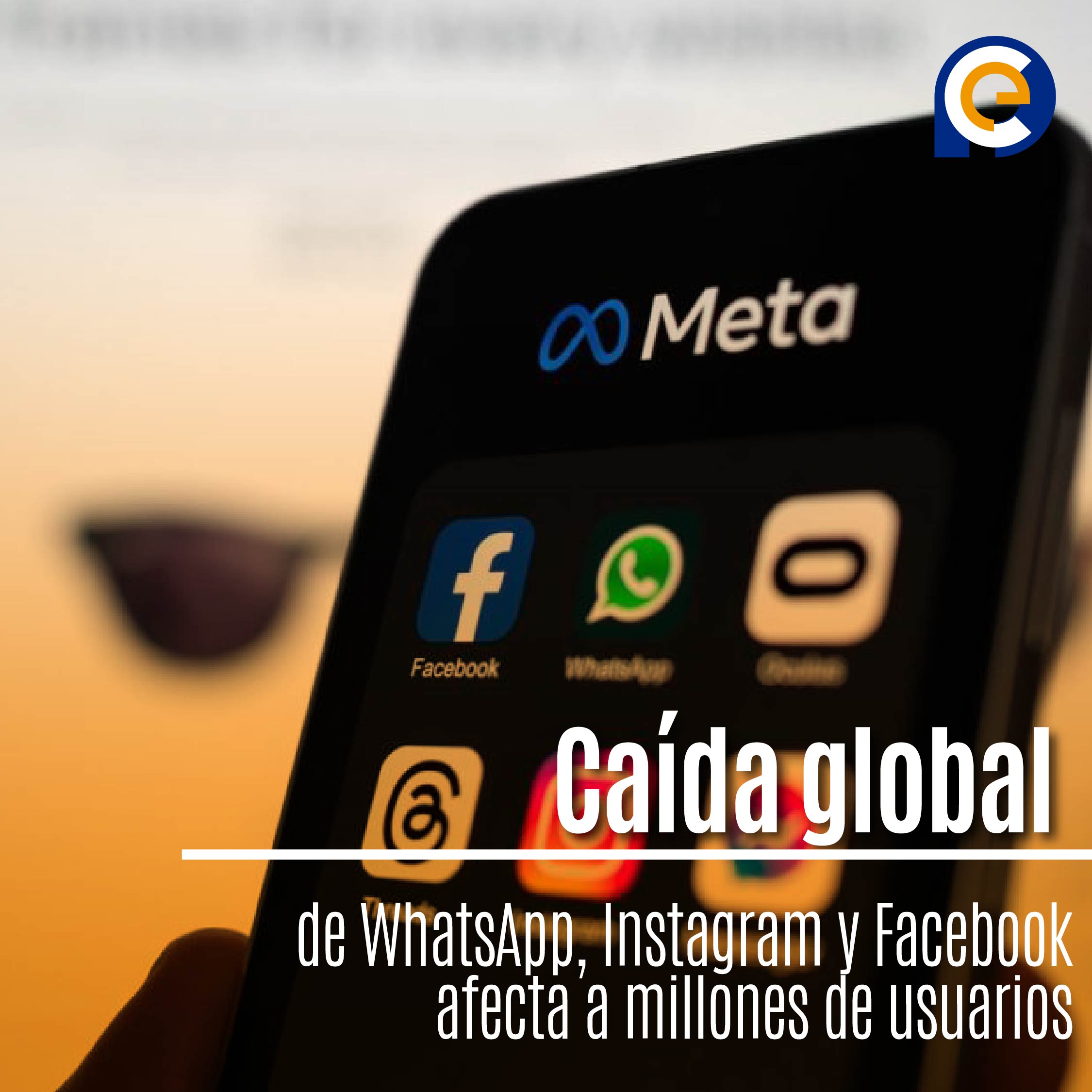
On a broader scale, the incident underscores Meta’s single-point-of-failure risk. While the company has invested in multi-region data centers and failover systems, the outage highlights persistent challenges in scaling social media platforms without sacrificing reliability. Competitors like X (Twitter) and LinkedIn have faced similar issues, though Meta’s scale—with over 4 billion monthly users across its apps—magnifies the impact.
Has Meta Commented on the Cause?
As of publication, Meta has not provided a detailed technical explanation for the outage. Past incidents, including the 2021 Facebook outage (which lasted nearly six hours), were attributed to configuration changes in backend systems. Industry observers speculate this latest failure may stem from:
- Database replication lag: Delays in synchronizing data across global servers.
- Load balancer misconfiguration: Traffic routing errors during a high-traffic event.
- Third-party dependency failures: Issues with external services Meta relies on for authentication or analytics.
Meta’s transparency report does not yet reflect the incident, but if confirmed as a systemic failure, it could trigger scrutiny over the company’s infrastructure redundancy practices.
What’s Next for Meta’s Platforms?
Meta has historically patched similar outages within 24–48 hours, though the company has faced criticism for slow communication during past disruptions. Users and developers will likely monitor Meta’s status page for updates, while businesses may reassess their reliance on the platform’s ad tools. If the outage is linked to a broader architectural flaw, Meta may announce infrastructure upgrades in its next earnings report.
For now, the incident serves as a reminder of the fragility of centralized social media ecosystems. While Meta’s platforms dominate global connectivity, their dependence on complex, interconnected systems leaves them vulnerable to cascading failures—an issue that could resurface as user bases and data volumes continue to grow.
