
Meta Lowers Entry Price for AI Smart Glasses to $299 Amid Rising Wearables Competition
Meta has introduced a new line of smart glasses starting at $299 to lower the barrier to entry for AI wearables. According to reports from CNBC and Bloomberg, this pricing strategy aims to scale adoption as Meta expands its partnership with EssilorLuxottica to offer more accessible styles and AI-integrated hardware to a broader consumer base.
Why is Meta lowering the cost of its smart glasses?
Meta is reducing the price point of its wearable hardware to accelerate the adoption of artificial intelligence in daily life. According to Bloomberg, the company is debuting glasses under its own brand at a lower $299 price point to make the technology more accessible. This move aligns with Mark Zuckerberg’s ongoing push to establish wearables as a primary interface for AI, moving beyond the smartphone screen.
The strategy focuses on “accessibility,” a term highlighted in reports from Yahoo! Finance Canada regarding the expanded collaboration between Meta and EssilorLuxottica. By lowering the cost, Meta intends to capture a larger share of the consumer market before competitors can establish a dominant foothold in the AI-eyewear category. The company is shifting from high-cost, niche hardware to products that fit into a standard consumer electronics budget.
Key drivers for this pricing shift include:
- Market Penetration: Lowering the cost to $299 removes the “luxury” barrier, positioning the glasses as a gadget rather than a high-end fashion investment.
- Data Collection: More users wearing AI glasses provides Meta with more real-world data to refine its multimodal AI capabilities.
- Ecosystem Lock-in: Establishing a user base for wearable AI creates a pathway for future, more advanced augmented reality (AR) hardware.
What are the details of the new Meta Adventurer AI glasses?
The new product lineup includes the Meta Adventurer AI glasses, which feature clear lenses designed for everyday use. According to the Meta Store, these glasses integrate AI capabilities into a form factor that resembles traditional eyewear. The “Adventurer” branding suggests a focus on mobility and real-world interaction, utilizing the device’s camera and microphones to interact with the environment via Meta AI.
The hardware is a result of the deepened partnership with EssilorLuxottica, the world’s largest eyewear company and owner of Ray-Ban. As reported by Yahoo! Finance Canada, the two companies are expanding the wearables category with a new collection that emphasizes both style and functionality. This partnership allows Meta to leverage EssilorLuxottica’s manufacturing and distribution networks while providing the AI “brains” of the operation.
| Feature | Meta Adventurer AI Glasses Detail |
|---|---|
| Starting Price | $299 |
| Lens Type | Clear Lenses (standard) |
| Primary Partner | EssilorLuxottica |
| Core Technology | Integrated Meta AI |
How does the Meta and EssilorLuxottica partnership work?
The collaboration between Meta and EssilorLuxottica is a strategic blend of fashion and technology. According to Yahoo! Finance Canada, the partnership aims to expand the accessibility of the wearables category. EssilorLuxottica provides the frames, lens technology, and retail presence, while Meta provides the software, AI integration, and hardware components like cameras and speakers.
This division of labor solves a primary hurdle in the wearables market: the “social friction” of wearing tech on the face. By using established eyewear brands and styles, Meta avoids the bulky, futuristic aesthetic that hindered previous smart glasses attempts. The result is a product that looks like a standard pair of glasses but functions as a hands-free AI assistant.
“EssilorLuxottica and Meta expand the accessibility of wearables category with new collection,” as noted by Yahoo! Finance Canada, highlighting the intent to move these devices from enthusiast gadgets to mainstream accessories.
What is the broader context of Zuckerberg’s wearables push?
Mark Zuckerberg has consistently signaled that the future of computing lies in wearables. According to CNBC, Zuckerberg continues to push wearables as a core pillar of Meta’s long-term strategy. This push is not limited to smart glasses but includes a broader vision of augmented reality (AR) and virtual reality (VR) that integrates AI.
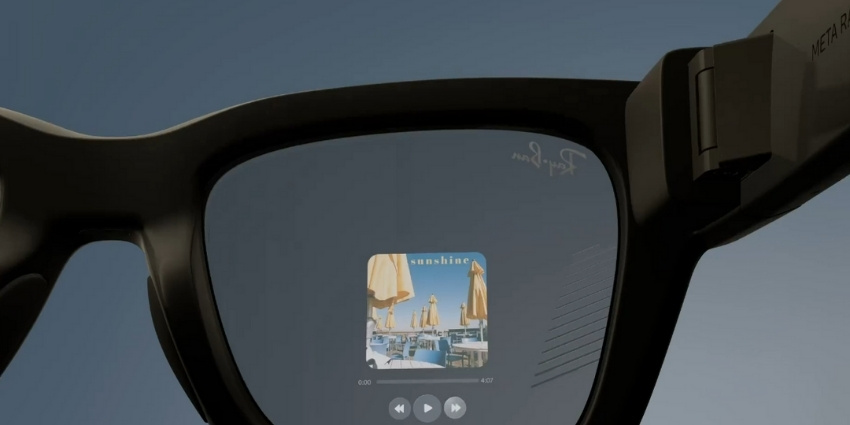
The $299 price point for the new glasses represents a strategic pivot. While Meta has invested billions into high-end AR prototypes (such as the “Orion” project), those devices are too expensive and complex for mass production. By offering lower-cost AI glasses now, Meta is training users to interact with AI through voice and visual prompts, creating a behavioral bridge to the full AR glasses of the future.
This strategy contrasts with other tech giants. While some competitors have focused on high-end headsets with immersive displays, Meta’s current approach with the $299 glasses is “AI-first, display-second.” The glasses do not necessarily require a screen to be useful; they rely on the AI’s ability to see what the user sees and hear what the user hears, providing audio feedback in real-time.
For more on how this fits into the company’s hardware roadmap, see a related explainer on Meta’s AR strategy.
How does this move impact the wearables competition?
The announcement that Meta offers lower cost glasses as wearables competition heats up—as noted by France 24—places significant pressure on other hardware manufacturers. The $299 price point undercuts many of the “prosumer” wearables and positions Meta as the value leader in AI-integrated eyewear.
The competition in this space is currently split into two camps: the “immersive” camp (heavy headsets) and the “ambient” camp (light glasses). Meta is aggressively pursuing the ambient camp. By integrating AI into an affordable, stylish frame, Meta is attempting to commoditize AI hardware. If a user becomes accustomed to asking their glasses for information or translations at a $299 price point, they are less likely to switch to a more expensive or cumbersome competitor.
Industry analysts suggest this move targets several demographics:
- Gen Z and Millennials: Who prioritize both fashion and seamless tech integration.
- Early AI Adopters: Who want a hands-free way to interact with Large Language Models (LLMs).
- The “Screen-Fatigued”: Users looking to reduce smartphone screen time while maintaining connectivity.
Common misconceptions about Meta’s new smart glasses
There are several frequent misunderstandings regarding the new $299 glasses and the broader Meta wearables line. Clarity on these points is essential for understanding the product’s actual utility.
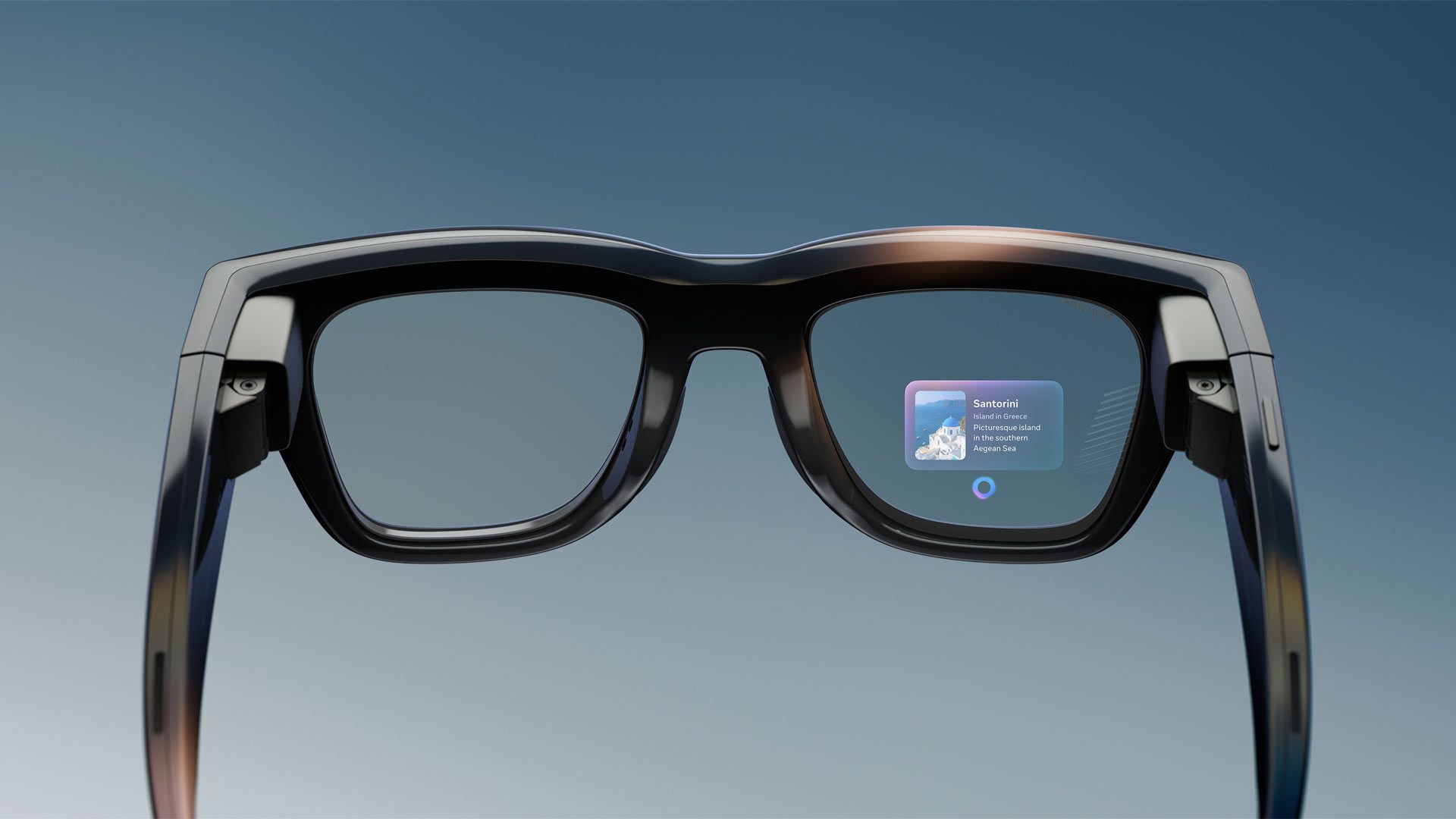
Are these full Augmented Reality (AR) glasses?
No. Unlike full AR glasses that project holograms or digital images onto the lenses, the $299 Meta glasses are primarily AI-powered wearables. They focus on audio output and visual input (via cameras) rather than visual output. They do not have a “heads-up display” (HUD) that overlays information on the world.
Do they replace the need for a smartphone?
According to the product specifications and Meta’s current ecosystem, these glasses are companions to the smartphone, not replacements. They require a connection to a mobile device for data processing and app integration, though the AI interactions are designed to be hands-free.
Are they only available in one style?
No. The partnership with EssilorLuxottica ensures a variety of styles. While the “Adventurer” model is a specific offering with clear lenses, the broader collection aims to provide multiple frame options to ensure the glasses appeal to different facial shapes and fashion preferences.
Comparing the AI Glasses Strategy to Traditional VR
Meta’s approach to wearables has evolved from the fully immersive Quest headsets to the ambient AI glasses. This represents a shift in how the company views the “Metaverse.”
| Feature | Meta Quest (VR/MR) | Meta AI Glasses (Wearables) |
|---|---|---|
| Primary Use | Gaming, Immersive Work, Training | Daily Assistance, Capturing Moments, AI Queries |
| Form Factor | Heavy Headset | Lightweight Frames |
| Price Range | Higher (Variable by model) | Lower (Starting at $299) |
| User Experience | Isolated/Immersive | Integrated/Ambient |
The lower cost of the glasses allows Meta to reach millions of users who would never wear a VR headset in public. By normalizing “camera-on-face” technology through a fashion-forward product, Meta is preparing the market for the eventual arrival of full AR glasses, which will likely be more expensive and technically complex.
What to monitor in the wearables market
The success of the $299 price point will likely determine the roadmap for other tech companies. If Meta sees a surge in adoption, it will validate the “ambient AI” model over the “immersive” model for the general public.
Observers should watch for several key indicators:
- Adoption Rates: Whether the $299 price point actually triggers a mass-market shift or if the product remains a niche accessory.
- AI Feature Updates: How quickly Meta integrates new multimodal AI capabilities (like real-time translation or visual object recognition) into the glasses.
- Competitor Response: Whether other eyewear or tech companies launch similarly priced AI glasses to prevent Meta from owning the category.
- Privacy Regulations: How governments react to the proliferation of affordable, discreet cameras in public spaces, which could lead to new hardware restrictions.
As Meta continues to integrate its AI models into physical hardware, the boundary between the digital assistant and the physical world continues to blur. The move to lower costs is a clear signal that Meta believes the “AI-first” wearable is the next major computing platform.
Frequently Asked Questions
How much do the new Meta AI glasses cost?
According to reports from Bloomberg and CNBC, the new smart glasses start at $299, making them significantly more accessible than previous high-end wearable experiments.

Who is the manufacturing partner for Meta’s smart glasses?
Meta has partnered with EssilorLuxottica, the parent company of Ray-Ban, to design and manufacture the frames and lenses for their wearables collection, as reported by Yahoo! Finance Canada.
What are the Meta Adventurer AI glasses?
The Meta Adventurer glasses are a specific model within the new collection featuring clear lenses and integrated Meta AI, designed for everyday wear and hands-free AI interaction.
Do these glasses have a screen for augmented reality?
No. These specific lower-cost glasses focus on AI integration via audio and cameras; they do not feature a visual display or holographic overlay on the lenses.
Why is Meta focusing on wearables instead of just VR headsets?
According to CNBC, Mark Zuckerberg is pushing wearables because they provide a more seamless, “ambient” way to interact with AI in the real world, whereas VR headsets are designed for immersive, isolated experiences.
For further reading on the intersection of AI and hardware, consider a related explainer on multimodal AI.
