
NL Health Services Declares Outbreak of Invasive Meningococcal Disease in Central Zone – Newfoundland and Labrador Health Services
NL Health Services has declared an outbreak of invasive meningococcal disease in the Central Zone of Newfoundland and Labrador. Public health officials are currently monitoring the situation, identifying close contacts of confirmed cases, and recommending targeted vaccinations to prevent further spread of the bacteria within the community.
What is the current status of the outbreak in the Central Zone?
NL Health Services officially declared an outbreak of invasive meningococcal disease (IMD) after confirming cases within the Central Zone. According to the health authority, the declaration triggers specific public health protocols designed to contain the bacteria and protect vulnerable populations. These measures include active surveillance, contact tracing, and the administration of prophylactic antibiotics or vaccines to those deemed at high risk.
The Central Zone encompasses a specific geographic region of the province, and health officials are focusing their efforts on individuals who have had close physical contact with confirmed cases. While the bacteria can be transmitted through respiratory droplets or saliva, the health authority emphasizes that the risk to the general public remains low unless there is direct, close contact with an infected person.
Key actions currently being taken by NL Health Services include:
- Case Identification: Testing individuals showing symptoms of meningitis or septicemia.
- Contact Tracing: Identifying “close contacts,” defined as people who have shared living spaces, kissed, or shared eating utensils with a confirmed case.
- Preventative Treatment: Providing antibiotics to close contacts to eliminate the bacteria from their nasopharynx.
- Vaccination Drives: Reviewing immunization records and offering booster shots where necessary.
Understanding Invasive Meningococcal Disease
Invasive meningococcal disease occurs when Neisseria meningitidis bacteria enter the bloodstream or the lining of the brain and spinal cord. According to medical guidelines utilized by public health agencies, this differs from the colonization of the bacteria, where the bacteria live in the nose or throat without causing illness.
When the disease becomes “invasive,” it typically manifests in two primary forms: meningitis and septicemia. Meningitis is the inflammation of the protective membranes covering the brain and spinal cord. Septicemia, also known as meningococcemia, is a bloodstream infection that can lead to organ failure and shock.
Invasive meningococcal disease is a medical emergency. Rapid onset of symptoms requires immediate clinical intervention to prevent permanent neurological damage or death.
Comparing Meningitis and Septicemia
While both are caused by the same bacteria, the presentation and immediate risks vary. The following table outlines the primary distinctions as reported in clinical health contexts.
| Feature | Meningitis | Septicemia (Blood Infection) |
|---|---|---|
| Primary Target | Brain and spinal cord linings | Bloodstream and organs |
| Key Symptom | Stiff neck and severe headache | Non-blanching rash (petechiae) |
| Neurological Impact | High risk of cognitive impairment | Risk of limb loss or organ failure |
| Onset Speed | Rapid (hours to days) | Extremely rapid (often hours) |
Who is at the highest risk during this outbreak?
NL Health Services identifies certain demographics and environments as higher risk for the transmission of meningococcal disease. The bacteria spread most easily in settings where people are in close, prolonged contact.
High-Risk Environments
Public health officials frequently point to crowded living conditions as a primary driver for outbreaks. This includes:
- University dormitories and student housing.
- Military barracks.
- Childcare centers and schools.
- Large family households.
Vulnerable Populations
Certain individuals are more susceptible to invasive infection due to biological or environmental factors. These include:
- Infants: Their immune systems are not yet fully developed.
- Adolescents and Young Adults: This group often experiences higher rates of transmission due to social behaviors and living arrangements.
- Immunocompromised Individuals: People with deficiencies in their complement system (proteins that help the immune system fight bacteria) are at a significantly higher risk of severe disease.
- People with Asplenia: Those without a functioning spleen have a diminished ability to fight encapsulated bacteria like N. meningitidis.
Recognizing the symptoms of invasive meningococcal disease
Early detection is the most critical factor in surviving an IMD infection. NL Health Services advises the public to monitor for a specific set of symptoms that often evolve rapidly. Because these symptoms can mimic the flu in the early stages, health officials urge residents to seek emergency care if symptoms progress quickly.
Early Warning Signs
Initial symptoms are often non-specific and may include:
- Sudden high fever and chills.
- Severe headache.
- Nausea and vomiting.
- General malaise or feeling “unwell.”
Advanced and Specific Symptoms
As the infection progresses, more distinct signs appear. These are considered medical emergencies:
- Nuchal Rigidity: A stiff neck that makes it difficult or impossible to touch the chin to the chest.
- Photophobia: Extreme sensitivity to light.
- Altered Mental Status: Confusion, disorientation, or difficulty waking up.
- The Meningococcal Rash: A characteristic rash that begins as small red or purple pinpricks (petechiae) and evolves into larger purple blotches (purpura). A key test is the “glass test”—if a glass pressed against the rash does not cause the color to fade (non-blanching), it is a critical warning sign of septicemia.
For more information on recognizing infectious diseases, readers may find a related explainer on emergency symptom triage helpful.
The role of vaccination and prevention
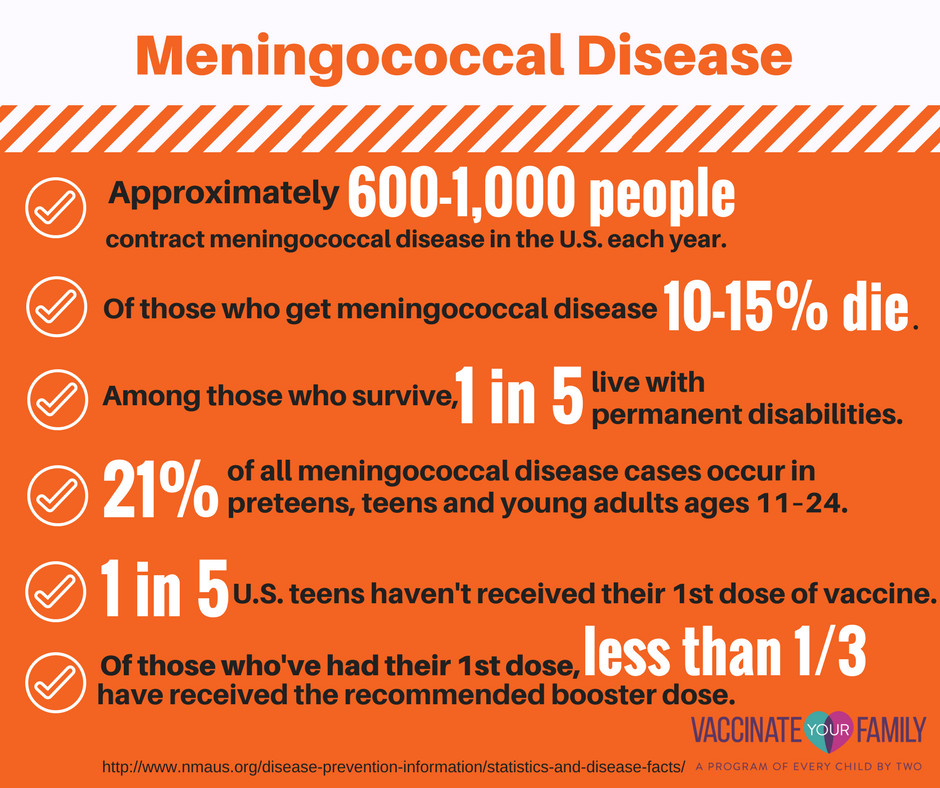
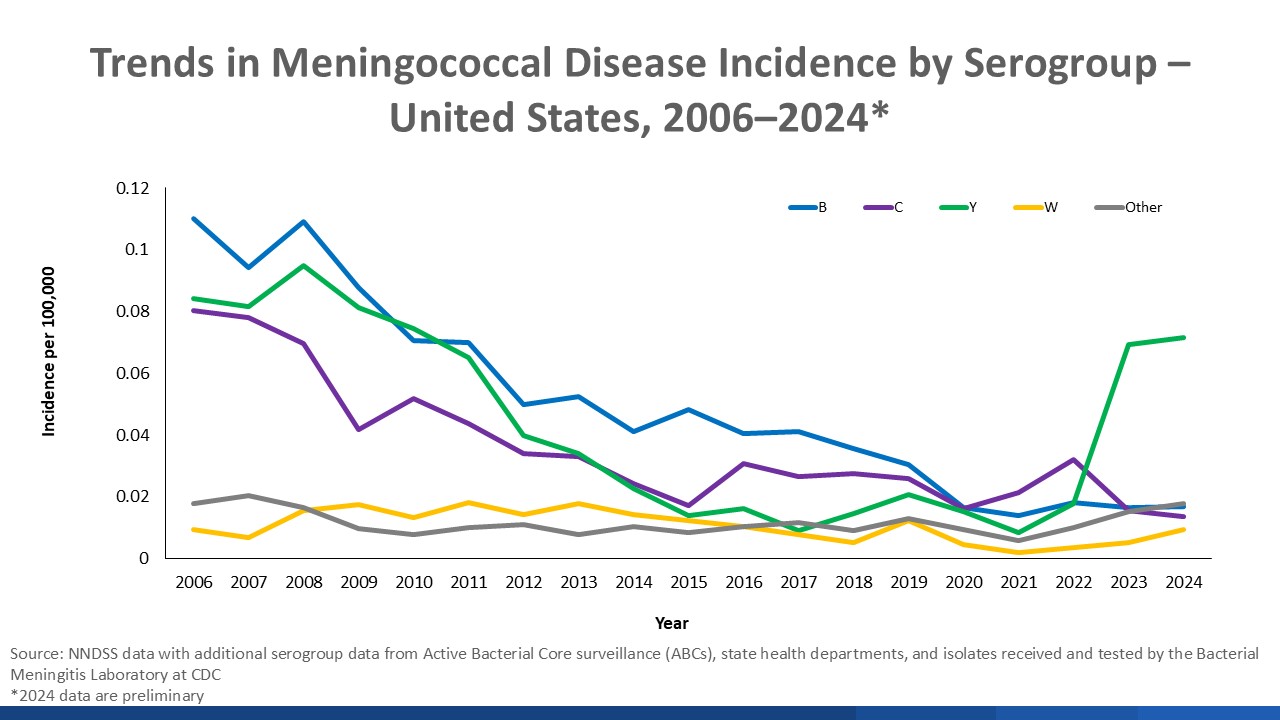
Vaccination is the most effective tool for preventing invasive meningococcal disease. NL Health Services utilizes several types of vaccines depending on the strain of the bacteria identified in the Central Zone outbreak. There are multiple serogroups of N. meningitidis (including A, B, C, W, and Y), and vaccines are tailored to target these specific strains.
Current Vaccination Strategies
In response to the outbreak, health officials are focusing on the following immunization priorities:
- Routine Immunization: Ensuring that children and adolescents have received their scheduled meningococcal vaccines as per the provincial health calendar.
- Targeted Outbreak Vaccination: Offering specific vaccines to close contacts of confirmed cases, even if those individuals were previously vaccinated against different strains.
- Booster Shots: Identifying individuals whose immunity may have waned over time and providing necessary boosters.
Non-Pharmaceutical Preventative Measures
While vaccines provide the primary defense, NL Health Services recommends basic hygiene practices to reduce the spread of respiratory droplets:
- Frequent handwashing with soap and water.
- Avoiding the sharing of drinks, cigarettes, or eating utensils.
- Covering the mouth and nose when coughing or sneezing.
- Staying home when feeling ill to prevent potential transmission in schools or workplaces.
Public health response and containment protocols
The declaration of an outbreak by NL Health Services is not merely a notification but a trigger for a coordinated clinical response. The goal is to break the chain of transmission before the bacteria can reach a wider segment of the population.
The Process of Contact Tracing
Once a case is confirmed, public health nurses conduct extensive interviews with the patient to map their movements and interactions over the previous several days. They categorize contacts into “close” and “casual.”
- Close Contacts: Individuals who have shared saliva or had prolonged close contact. These individuals are typically prioritized for chemoprophylaxis (preventative antibiotics).
- Casual Contacts: Individuals who were in the same room or building but did not have direct close contact. These individuals are generally monitored but may not require immediate medication.
Chemoprophylaxis Explained
According to health protocols, antibiotics such as rifampin, ciprofloxacin, or ceftriaxone may be administered to close contacts. These medications do not treat the disease itself but work to eradicate the carrier state—meaning they kill the bacteria living in the throat of a healthy person before that person can develop the disease or pass it to someone else.
Addressing common misconceptions about meningococcal disease
During outbreaks, misinformation often spreads, leading to unnecessary panic or a false sense of security. Public health data allows for the correction of several common myths.
Myth: “I’m vaccinated, so I’m 100% safe.”
Fact: While vaccines are highly effective, no vaccine is 100% effective. Furthermore, vaccines are strain-specific. A person vaccinated against serogroups A, C, W, and Y may still be susceptible to serogroup B. This is why NL Health Services may recommend additional shots during a specific outbreak.
Myth: “Meningitis is only a risk for teenagers.”
Fact: While adolescents are a high-risk group due to social behaviors, IMD can affect people of any age. Infants and the elderly, as well as those with compromised immune systems, are at significant risk for severe outcomes.
Myth: “The disease spreads like a common cold.”
Fact: Unlike the common cold or COVID-19, meningococcal disease is not highly contagious. It requires close, direct contact. Most people who carry the bacteria in their throats never get sick and never pass it on to others.
For a deeper look at how health authorities manage regional crises, see our analysis of public health emergency frameworks.
Impact on the Central Zone community
The declaration of an outbreak often leads to increased anxiety within the affected region. However, the promptness of the NL Health Services announcement is intended to mitigate risk. By identifying the outbreak early, the health authority can deploy resources to the Central Zone before the number of cases escalates.
Local clinics and hospitals in the Central Zone are currently on high alert. Healthcare providers have been instructed to maintain a low threshold for testing patients who present with fever and headache, ensuring that the window for antibiotic treatment—which is most effective when started within hours of symptom onset—is not missed.
The economic and social impact of such outbreaks is typically limited to the immediate circles of the infected, provided that the public health response is followed. Schools and businesses in the Central Zone generally continue to operate, though they may see a temporary increase in absenteeism as close contacts undergo preventative treatment.
Frequently Asked Questions
What should I do if I live in the Central Zone but have no symptoms?
According to NL Health Services, there is no need for the general public to seek medical attention or vaccination unless they have been identified as a close contact of a confirmed case. The best course of action is to remain vigilant for symptoms and follow official guidance from health authorities.
How long is the incubation period for meningococcal disease?
The incubation period—the time between exposure to the bacteria and the onset of symptoms—typically ranges from 3 to 7 days, though it can be as short as 2 days or as long as 10 days.
Can I get meningococcal disease more than once?
While rare, it is possible. Natural infection or vaccination does not always provide lifelong immunity to all strains of the bacteria. This is why public health officials monitor the specific serogroups present during an outbreak.
Where can I get a vaccine if I believe I am at high risk?
Individuals who believe they are at high risk due to medical conditions or living arrangements should contact their primary healthcare provider or the local public health clinic in the Central Zone to discuss their immunization status.
Is the outbreak linked to a specific school or workplace?
NL Health Services typically manages specific location details to protect patient privacy. However, if a specific institution is heavily impacted, the health authority will coordinate directly with that organization to notify all potentially exposed individuals.
