Hillary Dawa Sherpa’s Extraordinary Survival: Six Days Alone on Mount Everest
On June 4, 2026, a 52-year-old Sherpa guide named Hillary Dawa was discovered alive after spending six days stranded on Mount Everest, an event described as a “miraculous survival” by local authorities. The incident has sparked renewed scrutiny of mountaineering safety protocols and raised questions about the responsibilities of expedition teams in high-altitude environments.
The Ordeal on Everest
Hillary Dawa Sherpa, a seasoned guide with years of experience navigating the treacherous terrain of Mount Everest, was last seen on May 29 at Camp 3, located at an altitude of 7,060 meters (23,163 feet). He had been assisting a climbing group when he became separated from his team amid the chaotic conditions of the mountain. By May 31, his absence had raised alarms among expedition leaders, who noted that the ladders across the Khumbu Icefall—critical for navigating the glacier—had already been dismantled for the season.
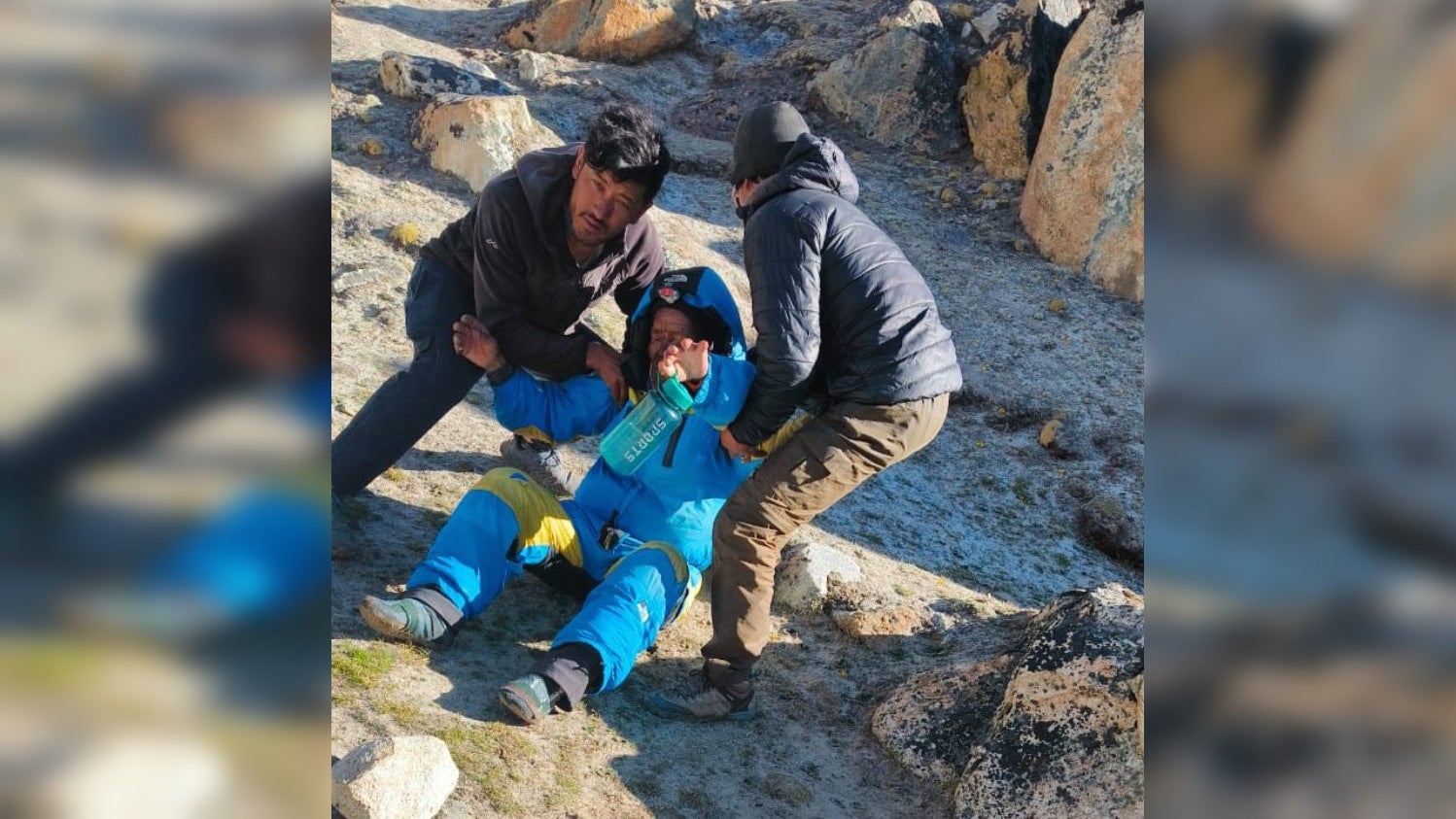
For six days, Dawa remained in a state of isolation, with no access to food, bottled oxygen, or communication. According to reports from the Nepal Mountaineering Association, he survived by consuming chocolate and “chewing ice” to stave off dehydration. His family, believing him dead, had initiated funeral rites when a cleaning crew discovered him near the base of the Khumbu Icefall on June 3. The crew described finding Dawa “crawling through the icefall, exhausted and frostbitten but alive.”
Timeline of the Incident
- May 29: Dawa last seen at Camp 3 with his climbing team.
- May 31: Expedition leaders confirm Dawa is missing after his team descends.
- June 3: Cleaning crew locates Dawa near the Khumbu Icefall.
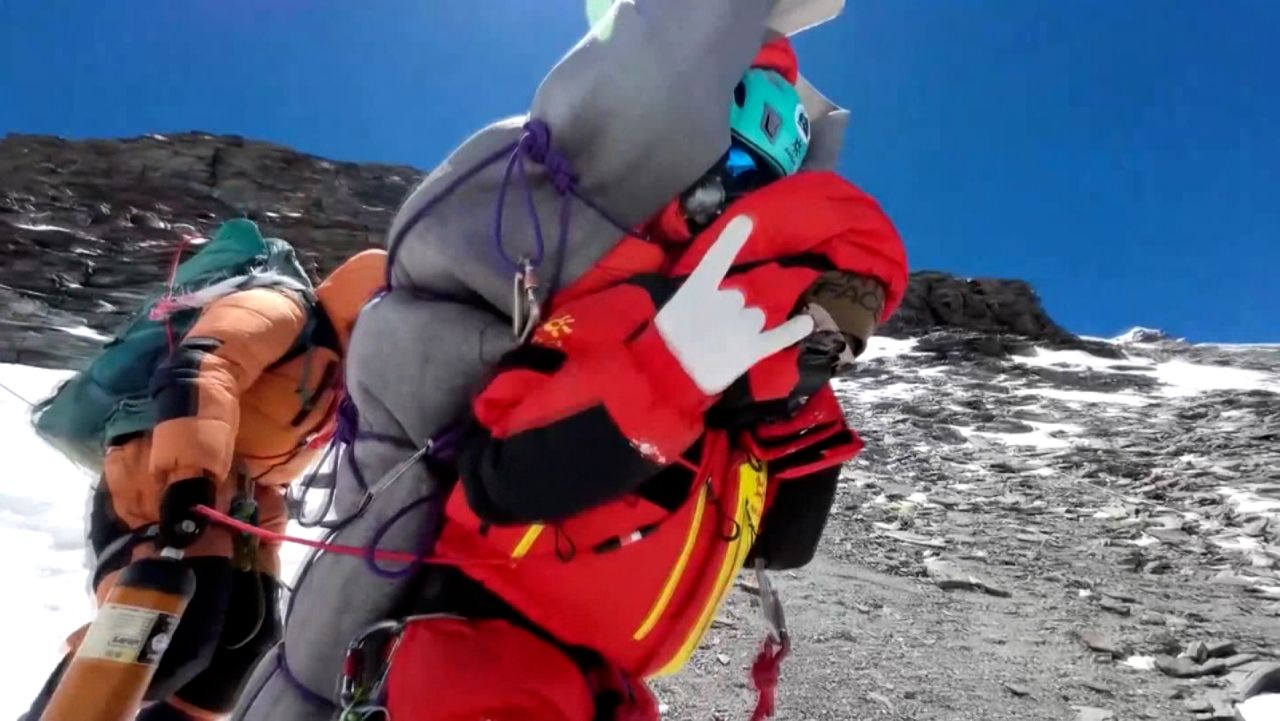
- June 4: Dawa airlifted to HAMS Hospital in Kathmandu for treatment.
The Rescue and Aftermath
The rescue operation was led by the Sagarmatha Pollution Control Committee (SPCC), a local organization responsible for managing environmental and safety concerns on Everest. Lama Kazi Sherpa, a SPCC representative, confirmed that Dawa was found “above Base Camp near the icefall” and transported to a medical facility. Paramedics reported that Dawa was in critical but stable condition upon arrival, suffering from severe frostbite and hypothermia.
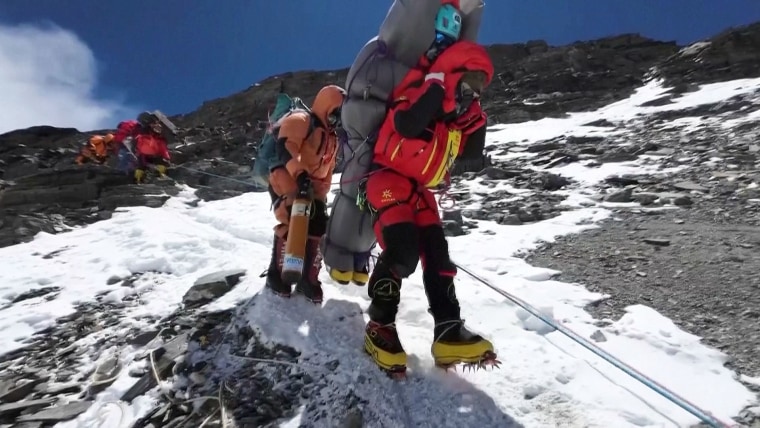
Dawa’s daughter, Mendo Lhamu, described the moment of discovery as “a mix of disbelief and relief.” She told the Associated Press, “When we first heard about the rescue, we could not be sure if that person was indeed our father. So to be certain, we asked for photos to be sent and then only we were sure and very happy.”
Medical and Survival Insights
Experts in high-altitude medicine have highlighted the extreme conditions Dawa endured. Dr. Tenzing Paljor, a Nepalese physician specializing in mountain health, noted that survival at such altitudes requires “both physical resilience and mental fortitude.” He explained that Dawa’s use of chocolate—a quick source of calories—and ice to maintain hydration likely played a critical role in his survival. “The body’s ability to adapt to extreme cold and low oxygen levels is remarkable, but this is an exceptional case,” Dr. Paljor added.
Despite his survival, Dawa’s recovery remains uncertain. Medical reports indicate he may face long-term complications from frostbite, including potential loss of extremities. His condition has also raised concerns about the risks faced by Sherpas, who often work in hazardous conditions without the same safety protections as climbers.
Legal and Ethical Questions
The incident has prompted the Dawa family to demand an investigation into the circumstances of his separation from the climbing group. They allege that the expedition team failed to ensure his safety, despite his role as a guide. “We are seeking clarity on why he was left behind and what measures were taken to locate him,” said a family representative, who requested anonymity due to ongoing legal discussions.
Mountaineering authorities have not yet released a formal statement on the matter, but a spokesperson for the Nepal Tourism Board acknowledged the case as “a tragic reminder of the risks involved in high-altitude climbing.” The board has pledged to review safety protocols for future expeditions, particularly regarding communication systems and emergency response procedures.
Comparative Context
Dawa’s survival contrasts with other Everest incidents in recent years. In 2023, a group of climbers faced similar challenges when a storm trapped them on the mountain, resulting in multiple fatalities. Unlike those cases, Dawa’s rescue was facilitated by a local cleaning crew, highlighting the critical role of ground-level workers in emergency situations. This has led to calls for better coordination between expedition teams and support staff to prevent similar incidents.
A Testimony to Human Resilience
The story of Hillary Dawa Sherpa has become a symbol of human endurance in the face of adversity. His survival, despite the odds, has
