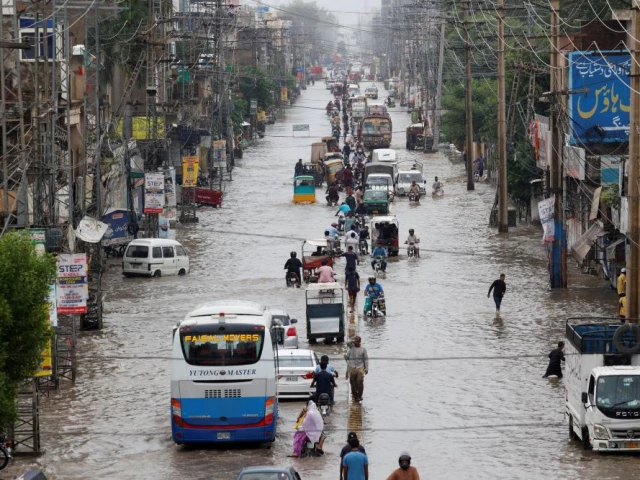
Punjab steps up monsoon preparedness as authorities issue flood and safety alerts
Authorities in Punjab have intensified monsoon preparations, finalizing emergency plans in Lahore as the National Disaster Management Authority (NDMA) and its National Emergency Operations Centre (NEOC) issue safety alerts. These warnings cover Punjab, Khyber Pakhtunkhwa, Gilgit-Baltistan, and Kashmir, citing risks of flooding, hailstorms, and landslides.
Current Status of Monsoon Preparedness in Punjab
The provincial administration has moved into a high-alert phase to mitigate the risks associated with the upcoming monsoon season. According to reports from The Express Tribune, Punjab is stepping up monsoon preparedness as authorities issue flood and safety alerts to protect citizens and infrastructure. A critical component of this mobilization is the finalization of emergency plans in Lahore, a city historically vulnerable to urban flooding during periods of intense precipitation.
The focus in Lahore involves coordinating municipal services to ensure that drainage systems are functional and that emergency response teams are positioned for rapid deployment. By finalizing these plans now, authorities aim to reduce the lag time between the onset of heavy rainfall and the implementation of safety measures.
Key elements of the current preparedness strategy include:
- Infrastructure Readiness: Clearing drains and waterways to prevent the stagnation of rainwater in urban centers.
- Strategic Planning: Finalizing localized emergency response frameworks in major hubs like Lahore.
- Public Communication: Disseminating safety alerts to ensure residents in high-risk areas are aware of potential threats.
Regional Weather Advisories and Risk Zones
The scope of the current weather threat extends far beyond the plains of Punjab. The National Disaster Management Authority (NDMA) has issued comprehensive warnings for several regions. According to Radio Pakistan, the NDMA’s National Emergency Operations Centre (NEOC) has issued a formal weather advisory covering Punjab, Khyber Pakhtunkhwa (KP), Gilgit-Baltistan (GB), and Kashmir.
While Punjab focuses heavily on flood preparedness, the risks in the northern territories are more varied. Reports from The Nation (Pakistan) highlight that the NDMA is specifically warning of heavy rain, hailstorms, and the high risk of landslides in these northern regions. The combination of steep terrain and intense rainfall often leads to soil instability, making landslides a primary concern for residents and travelers in GB and KP.
| Region | Primary Weather Threats | Issuing Authority |
|---|---|---|
| Punjab | Heavy Rain, Urban Flooding | NEOC / Provincial Authorities |
| Khyber Pakhtunkhwa | Heavy Rain, Landslides | NDMA / NEOC |
| Gilgit-Baltistan | Hailstorms, Landslides, Heavy Rain | NDMA / NEOC |
| Kashmir | Heavy Rain, Landslides | NDMA / NEOC |
Impact on the Twin Cities: Rain and Inundation
The “Twin Cities” of Rawalpindi and Islamabad have already experienced the initial effects of this weather pattern, presenting a contrast in how the rainfall is perceived and its actual physical impact. On one hand, reports from lovin.co indicate that heavy rainfall has brought much-needed relief to the Twin Cities, likely referring to the drop in temperature and the break from previous heatwaves.
However, this atmospheric relief has come with significant logistical challenges. According to Dawn, heavy rain has already inundated low-lying areas in Rawalpindi and Islamabad. This pattern of “relief versus risk” is common in the region, where the cooling effect of the monsoon is offset by the immediate threat of urban flooding.
The inundation of low-lying areas in the Twin Cities serves as a real-time reminder of why the broader preparedness efforts in Punjab and the northern regions are critical.
The flooding in Rawalpindi and Islamabad typically affects areas with inadequate drainage or those situated in natural depressions, leading to traffic disruptions and property damage. This early inundation underscores the urgency of the safety alerts issued by the NEOC.
Understanding the Risks: Hailstorms and Landslides
While flooding is the primary concern for the plains, the NDMA has signaled different dangers for the highlands. The warning of hailstorms and landslides mentioned by The Nation (Pakistan) indicates a volatile atmospheric condition in the north. Hailstorms can cause sudden, severe damage to crops and vehicles, while landslides can cut off entire villages from essential services by blocking main arterial roads.
The risk of landslides is particularly acute in Gilgit-Baltistan and Khyber Pakhtunkhwa due to the geological composition of the mountains. When heavy monsoon rains saturate the soil, the lack of stability on steep slopes often leads to debris flows. This makes the NDMA’s early warning system a vital tool for saving lives, as it allows for the preemptive evacuation of high-risk zones.
Why these warnings matter now
The timing of these alerts is critical for several reasons:
- Agricultural Protection: Hailstorms can destroy standing crops, impacting the livelihoods of farmers in the northern belts.
- Transport Stability: Landslides in the north often sever the only available roads, trapping tourists and locals.
- Urban Resilience: In cities like Lahore, Rawalpindi, and Islamabad, early drainage clearing can be the difference between a manageable rain event and a city-wide crisis.
The Role of the NDMA and NEOC in Disaster Management
The coordination between the National Disaster Management Authority (NDMA) and the National Emergency Operations Centre (NEOC) represents the central nervous system of Pakistan’s disaster response. As noted in the reports from Radio Pakistan and The Nation, the NEOC is the entity responsible for issuing the specific weather advisories that trigger local action.
The NEOC functions by synthesizing meteorological data and communicating it to provincial authorities. When the NEOC issues an advisory for Punjab, KP, GB, and Kashmir, it signals the provincial governments to activate their respective emergency plans. In Punjab, this has manifested as the “stepping up” of preparedness and the finalization of plans in Lahore.
The effectiveness of this system depends on the “last mile” of communication—ensuring that a warning issued at the national level reaches a resident in a low-lying area of Rawalpindi or a village in Gilgit-Baltistan in time to take cover or evacuate.
For those looking for more information on how these agencies operate, a related explainer on disaster management frameworks may provide further context on the hierarchy of response.
Common Misconceptions About Monsoon Alerts
There is often a misunderstanding that a “weather advisory” is a guarantee of a disaster. In reality, these alerts are precautionary measures designed to minimize loss. For example, while lovin.co reported the rain as “relief,” the simultaneous reports of inundation from Dawn show that the same event can be both a positive atmospheric change and a logistical hazard.
Another common misconception is that only “flood-prone” rivers are at risk. As the current alerts show, urban flooding in cities like Islamabad and Rawalpindi can occur even without a river overflowing, simply due to the volume of rain exceeding the capacity of urban drainage systems.
Comparing the framing of the current weather events
The way different outlets report these events reflects the dual nature of the monsoon:
- The “Relief” Perspective: Focuses on the environmental and temperature benefits of the rain (e.g., lovin.co).
- The “Risk” Perspective: Focuses on the infrastructure failures and natural hazards like landslides and inundation (e.g., Dawn, The Nation).
- The “Administrative” Perspective: Focuses on the systemic response and the finalization of emergency plans (e.g., The Express Tribune).
Safety Guidelines for Residents in Affected Areas
Given the alerts issued by the NEOC and NDMA, residents in Punjab, KP, GB, and Kashmir should adhere to standard safety protocols to mitigate risk during heavy rainfall and hailstorms.
For Urban Residents (Punjab, Twin Cities)
- Avoid parking vehicles under old trees or dilapidated structures during hailstorms.
- Stay clear of low-lying areas and underpasses that are prone to rapid inundation.
- Ensure that home drainage outlets are clear of debris to prevent internal flooding.
For Residents in Northern Regions (KP, GB, Kashmir)
- Monitor official NDMA updates regarding road closures due to potential landslides.
- Avoid traveling on mountain roads during periods of intense rainfall.
- Identify the nearest safe assembly point or shelter in case of a landslide warning.
By following these guidelines and staying attuned to the safety alerts, citizens can better navigate the risks associated with the current monsoon cycle.
Frequently Asked Questions
Which areas are currently under a weather advisory?
According to the NDMA’s National Emergency Operations Centre (NEOC), the weather advisory covers Punjab, Khyber Pakhtunkhwa (KP), Gilgit-Baltistan (GB), and Kashmir.
What are the primary risks identified by the NDMA for northern regions?
The NDMA has warned of three primary risks in the northern areas: heavy rainfall, hailstorms, and the risk of landslides.

How is Punjab preparing for the monsoon?
Punjab is intensifying its preparedness by issuing flood and safety alerts and finalizing specific emergency plans in major cities, including Lahore, to manage the impact of heavy rains.
What has been the impact of recent rains in Rawalpindi and Islamabad?
While some reports describe the rainfall as bringing relief to the Twin Cities, other reports indicate that heavy rain has already caused the inundation of low-lying areas in both Rawalpindi and Islamabad.
Who is responsible for issuing the national weather advisories?
The advisories are issued by the National Emergency Operations Centre (NEOC), which operates under the National Disaster Management Authority (NDMA).
