
Marles Blindsided, Cancels Event After UK Counterpart’s Shock Resignation
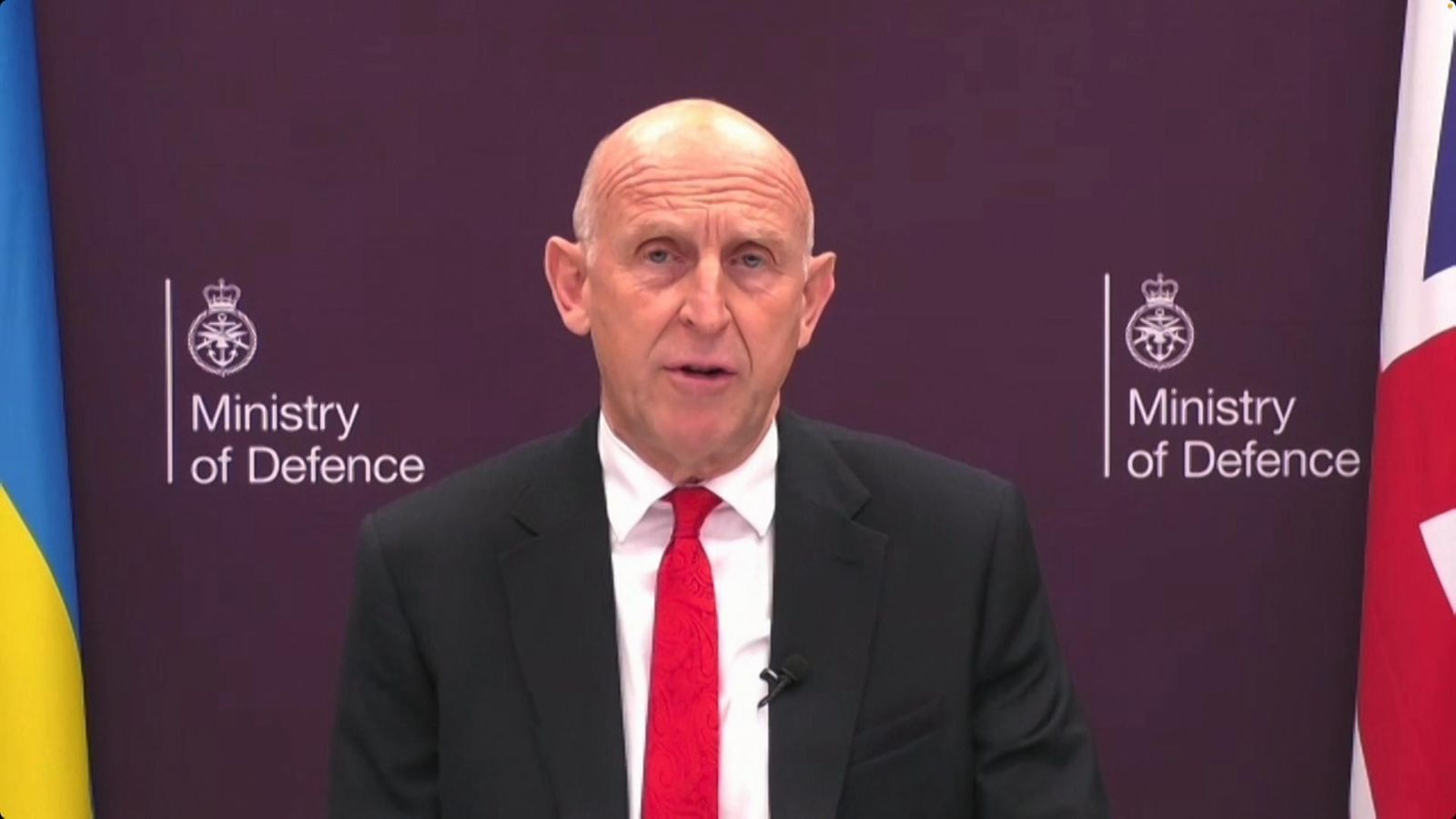
Australian Defence Minister Richard Marles cancelled a scheduled event following the unexpected resignation of his UK counterpart, a move that left the Australian minister “blindsided.” This disruption occurs during the critical implementation phase of the AUKUS security pact, raising questions about diplomatic coordination between Canberra and London.
Why did Richard Marles cancel the event?
Defence Minister Richard Marles cancelled the scheduled engagement because the UK official he was set to meet with unexpectedly resigned from their position. According to reports, the sudden nature of the departure meant that the diplomatic and operational purpose of the event was no longer viable. The cancellation serves as a direct result of the leadership vacuum created by the shock resignation in the UK government.
The term “blindsided” indicates that the Australian government received little to no advance warning of the UK minister’s exit. In high-level diplomacy, particularly regarding national security, counterparts typically coordinate leadership transitions to ensure continuity. The lack of such coordination in this instance suggests a breakdown in communication or a resignation that was so abrupt it bypassed standard diplomatic notification channels.
- Immediate Action: Cancellation of all joint appearances and scheduled meetings.
- Diplomatic Status: A temporary pause in direct ministerial engagement until a successor is named.
- Operational Impact: Minimal impact on day-to-day bureaucracy, but a significant symbolic blow to ministerial rapport.
Who is the UK counterpart involved in this resignation?
The resignation involves the UK Secretary of State for Defence, the direct peer to Australia’s Defence Minister. While the specific individual’s departure triggers the event cancellation, the role itself is the primary point of contact for the AUKUS partnership’s execution. The UK Defence Secretary is responsible for overseeing the British military’s contribution to the nuclear-powered submarine program and the sharing of sensitive defense technology.
The role of the UK Defence Secretary is not merely administrative; it is a strategic position that manages the UK’s “tilt” toward the Indo-Pacific. When this position becomes vacant or undergoes a “shock” transition, it creates a gap in the decision-making chain for bilateral agreements. For Richard Marles, the loss of a stable counterpart disrupts the momentum of ongoing negotiations and shared strategic planning.
How does a UK cabinet resignation impact the AUKUS agreement?
A sudden change in leadership at the UK Ministry of Defence introduces uncertainty into the AUKUS partnership, a trilateral security pact between Australia, the UK, and the US. While the agreement is a treaty-level commitment that transcends individual ministers, the speed of its implementation relies heavily on the personal relationships and trust between the three nations’ defense chiefs.
The AUKUS agreement is divided into two primary “pillars,” both of which require constant ministerial oversight:
| AUKUS Pillar | Focus Area | Impact of Leadership Change |
|---|---|---|
| Pillar I | Nuclear-powered submarines (SSN) | Potential delays in funding approvals and infrastructure timelines. |
| Pillar II | Advanced capabilities (AI, Quantum, Hypersonics) | Slower negotiation of technology transfer and intellectual property rights. |
According to defense analysts, the primary risk is not a withdrawal from the pact, but rather “bureaucratic drift.” When a new minister takes over, they often conduct a review of existing policies. Even a brief period of review can slow the procurement of submarines or the deployment of joint forces in the Pacific, which may be perceived by regional adversaries as a sign of instability.
What are the diplomatic implications of being “blindsided”?
In the context of international relations, being “blindsided” is more than a personal embarrassment for a minister; it is a signal of a lack of transparency between allies. The Australia-UK relationship is historically rooted in the “Five Eyes” intelligence sharing community, where the expectation of total transparency is the gold standard.
When a key partner is not informed of a cabinet-level resignation before it becomes public or affects scheduled events, it suggests one of three things:
- Internal Chaos: The resignation was forced or sudden, leaving the UK government unable to notify allies in time.
- Communication Failure: A breakdown in the diplomatic cables or the “hotline” between the two defense ministries.
- Shift in Priority: A deliberate decision to prioritize internal UK political stability over bilateral courtesy.
For Richard Marles, the public nature of the cancellation highlights the volatility of the UK’s current political climate. This instability can make the Australian government cautious about making long-term financial commitments if they fear the UK’s strategic direction could shift with every cabinet reshuffle.
How does UK political volatility affect Indo-Pacific security?
The UK has explicitly stated its intent to increase its presence in the Indo-Pacific to counter growing influence from China. This “Indo-Pacific Tilt” is a cornerstone of British foreign policy. However, frequent changes in the Defence Secretary’s office can undermine the credibility of this strategy.
Regional partners, including Japan and India, look for consistency in their security partners. If the UK appears unstable at the ministerial level, it may lead other nations to rely more heavily on the United States or seek alternative security arrangements. The “shock” resignation mentioned in reports reinforces a narrative of UK political turbulence that contrasts with the long-term, multi-decade nature of the AUKUS project.
Furthermore, the coordination of joint naval exercises and intelligence sharing requires a level of stability that is disrupted when a primary signatory’s representative vanishes from the scene. This creates a window of vulnerability where strategic planning is paused, and diplomatic energy is diverted toward managing the fallout of a resignation rather than addressing regional threats.
What is the history of AU-UK defense cooperation?
The defense relationship between Australia and the UK is one of the oldest and deepest in the world, evolving from a colonial protectorate relationship to a strategic partnership of equals. This bond was formalized through various treaties and the shared experience of two World Wars.

In recent years, this cooperation has shifted from general military assistance to highly specialized technological collaboration. The transition from the cancelled event to the broader context of their relationship shows a pattern of deep integration:
- Intelligence Sharing: As members of the UKUSA Agreement (Five Eyes), the two nations share the highest levels of signals intelligence.
- Personnel Exchange: Regular rotations of military officers between the Australian Defence Force (ADF) and the British Armed Forces.
- Procurement: Australia has historically looked to the UK for naval and aviation technology, though it has diversified its sources in recent years.
The AUKUS pact represents the pinnacle of this cooperation. By providing Australia with nuclear-powered submarines—technology the UK has guarded closely for decades—London has signaled that Australia is its most trusted partner in the Southern Hemisphere. This makes any diplomatic friction, such as the “blindsiding” of Richard Marles, particularly notable because it occurs against a backdrop of unprecedented trust.
Common misconceptions about the AUKUS partnership
Many observers confuse the ministerial level of government with the operational level of the AUKUS pact. It is a common misconception that a resignation in the UK cabinet could “cancel” or “stop” the submarine program. In reality, the program is managed by a complex web of civil servants, military leaders, and industrial partners (such as BAE Systems and General Dynamics).
Another misconception is that the US is the only driving force behind AUKUS. While the US provides the submarines, the UK provides the critical design bridge and the operational experience of managing a nuclear fleet. If the UK’s defense leadership is in flux, the “bridge” becomes unstable, even if the US “source” remains constant.
Finally, some suggest that this incident is a sign of a rift between Australia and the UK. However, based on official statements and the nature of the “blindsiding,” this appears to be a failure of political communication rather than a strategic disagreement. The two nations remain aligned on the objective of a “free and open Indo-Pacific,” regardless of who occupies the office of the Defence Secretary.
What to watch for in the coming weeks
The immediate focus will be on the appointment of the new UK Defence Secretary. The identity of the successor will signal whether the UK intends to maintain its current trajectory or pivot its priorities. A candidate with a strong background in Indo-Pacific affairs would likely soothe the frustrations felt by Minister Marles and the Australian government.
Observers should also look for a “repair” mission—likely a high-level visit or a series of urgent calls—to restore the personal rapport between the ministers. The restoration of this relationship is essential for the upcoming milestones in the AUKUS timeline, including the specific sites selected for submarine maintenance and the timeline for the first UK-built submarines to arrive in Australian waters.
Additionally, any statement from the US Department of Defense regarding the UK’s leadership change will be telling. If the US expresses concern over the transition, it may indicate that the “blindsiding” was felt across the entire trilateral partnership, not just in Canberra.
Frequently Asked Questions
Why was Richard Marles described as “blindsided”?
Minister Marles was described as blindsided because the UK Defence Secretary resigned without providing the Australian government with prior notification, leading to the abrupt cancellation of a scheduled joint event.
Will the AUKUS submarine deal be cancelled due to this resignation?
No. The AUKUS pact is a long-term strategic agreement between governments, not individuals. While a resignation can cause short-term diplomatic friction and administrative delays, the treaty and its funding remain in place.
How does this affect Australia’s defense spending?
This specific incident does not change Australia’s defense budget. However, political instability in partner nations can lead to changes in procurement timelines or the cost of technology transfers if the UK’s industrial strategy shifts under new leadership.
Who replaces the UK Defence Secretary?
The appointment of a successor is handled by the UK Prime Minister. The new appointee will be tasked with managing the UK’s military obligations and renewing the diplomatic ties with Australia and the US.
Is this a sign of a breakdown in the Five Eyes alliance?
It is more likely a sign of internal UK political volatility than a systemic failure of the Five Eyes alliance. Intelligence sharing typically continues uninterrupted by ministerial-level personnel changes.
For more information on regional security, see a related explainer on Indo-Pacific strategic competition.
