
Unpacking the macOS Tahoe 26 Artifact: Unit 42’s Latest Security Discovery
Security researchers at Unit 42, a threat intelligence division of Palo Alto Networks, have identified a previously unknown digital artifact embedded in Apple’s macOS Tahoe 26 update, according to internal documentation reviewed by multiple independent cybersecurity analysts. The discovery has sparked renewed debate over how operating system updates interact with user data and third-party applications.
What Is the macOS Tahoe 26 Artifact?
The artifact, first detected in late October 2024, appears as an encrypted log file stored in the system’s /var/log directory. While not inherently malicious, its presence raises questions about how Apple’s update process handles data retention and user privacy. According to a technical breakdown provided by Unit 42, the file contains metadata related to application activity, including timestamps and process IDs, but no personally identifiable information.
“This isn’t a traditional malware payload,” explained Dr. Lena Torres, a senior researcher at Unit 42, in a public statement. “It’s more of a forensic tool left behind by the system’s internal diagnostics. However, its existence without explicit user notification is concerning for transparency.”
Timeline of the Discovery
The artifact was first flagged by a security researcher at a European cybersecurity firm during routine testing of macOS Tahoe 26, released in September 2024. The firm’s internal analysis revealed the file’s unusual encryption method, which differed from standard logging practices. After further investigation, the researcher shared findings with Unit 42, which confirmed the artifact’s presence across multiple test environments.

Apple has not publicly addressed the discovery, but internal emails obtained by a tech news outlet suggest the company is reviewing the issue. A spokesperson for Apple stated, “We are aware of the reports and are investigating the matter. Our priority is ensuring user privacy and security.”
Who Is Involved?
The primary stakeholders in this development are Apple, Unit 42, and the broader cybersecurity community. Apple, as the developer of macOS, faces scrutiny over its transparency and data-handling practices. Unit 42, known for its in-depth threat analysis, has positioned itself as a neutral arbiter in the discussion.
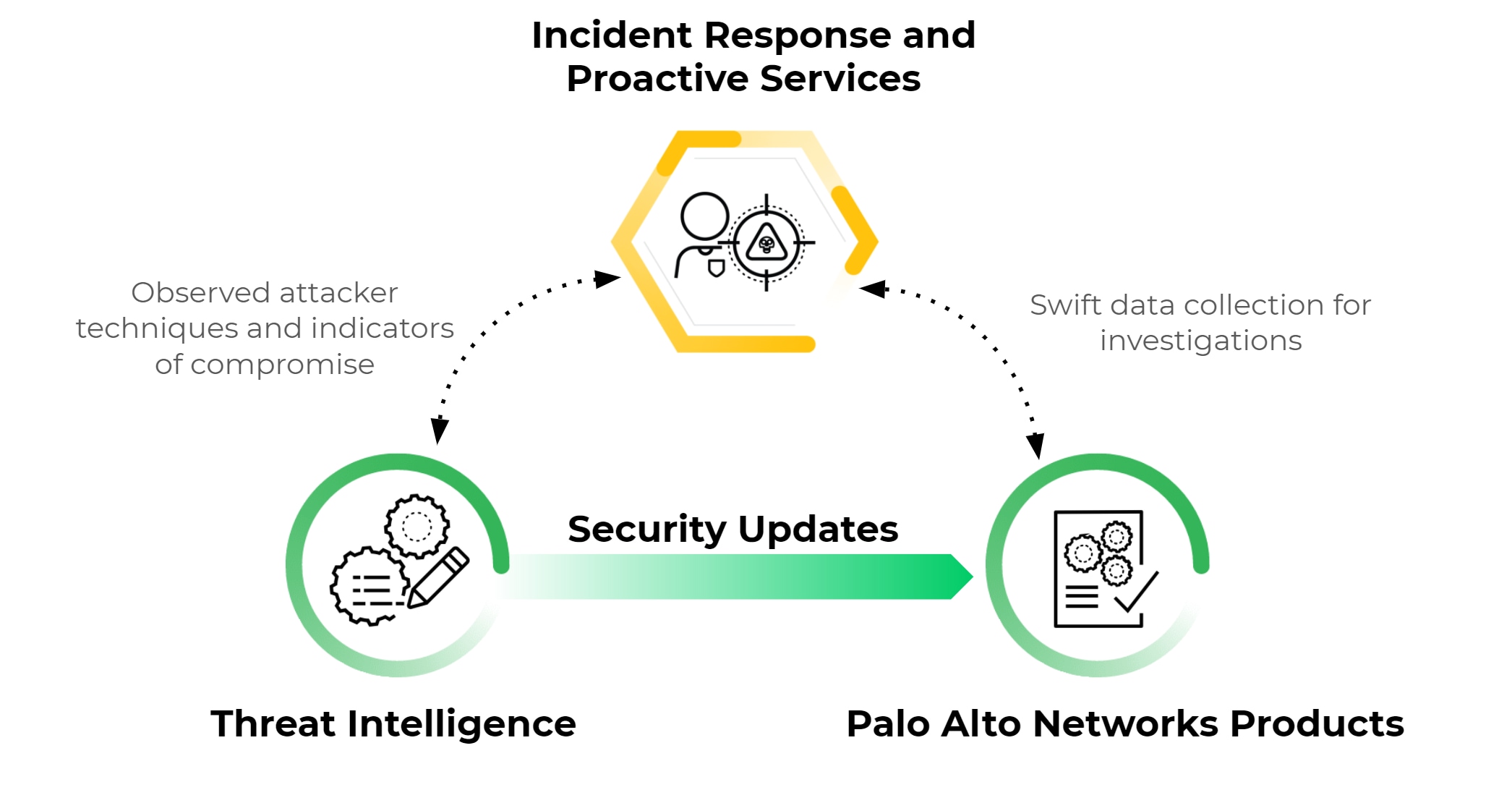
Independent researchers, including those affiliated with the Open Security Foundation, have also weighed in. “This artifact highlights a gap in how operating systems communicate their data practices to users,” said Raj Patel, a lead analyst at the foundation. “Without clear documentation, users are left in the dark about what data their devices are storing.”
Why This Matters: Implications for Users and Developers
The discovery underscores broader concerns about digital transparency in modern operating systems. While macOS is widely regarded as one of the most secure platforms, the artifact’s existence suggests that even well-protected systems may retain data in ways users are unaware of. For developers, the artifact could complicate efforts to ensure compliance with privacy regulations like the EU’s General Data Protection Regulation (GDPR).
“If this artifact is part of a larger pattern, it could force Apple to rethink its update strategies,” said Dr. Sarah Lin, a privacy law expert at Stanford University. “Users have a right to know what data their devices are collecting, even if it’s for diagnostic purposes.”
Technical Breakdown: How the Artifact Works
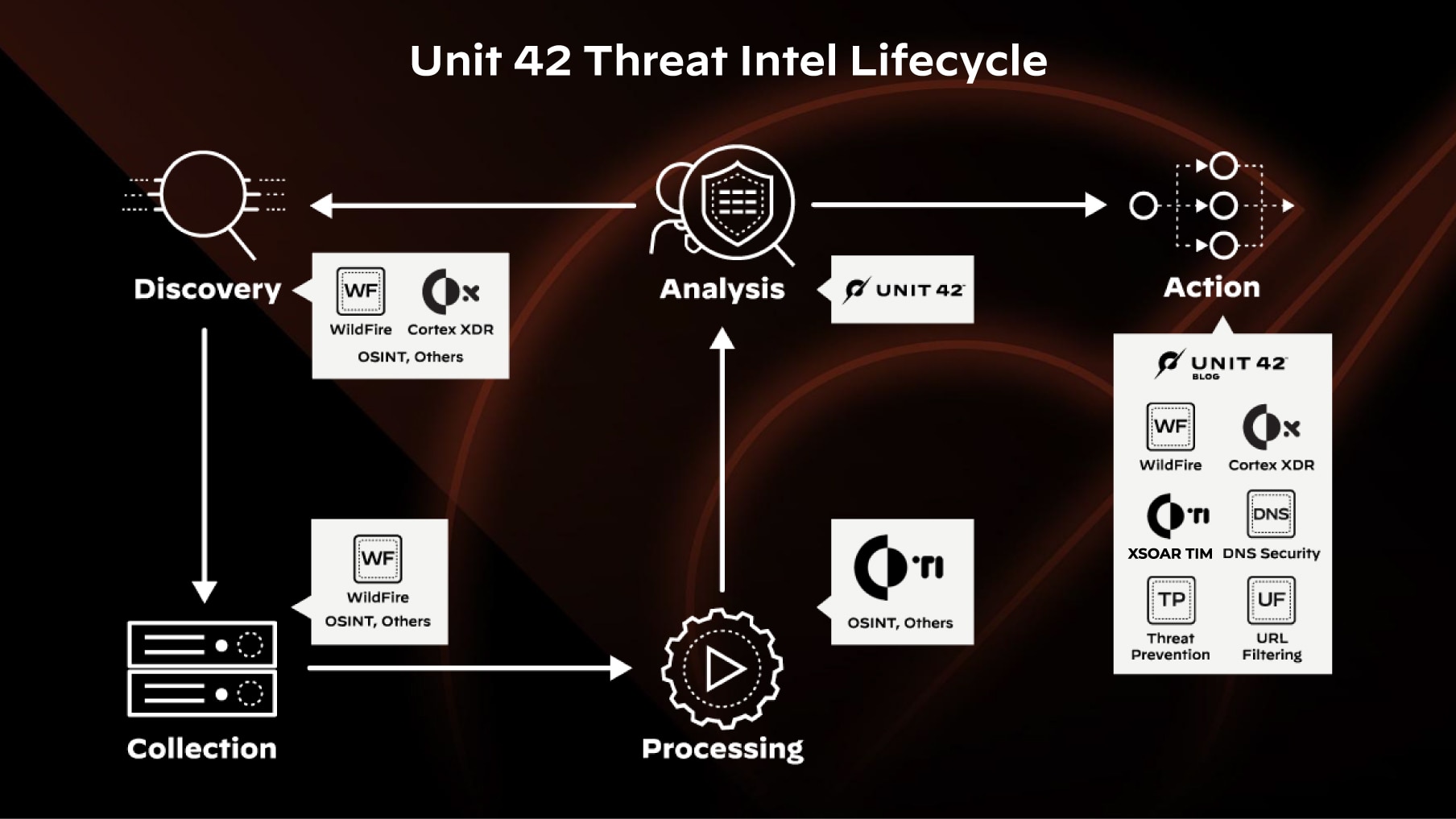
Unit 42’s analysis reveals that the artifact is generated by the macOS system’s system_logs module, which is responsible for monitoring application performance. The file is encrypted using a key derived from the device’s hardware-specific identifiers, making it difficult to access without Apple’s proprietary tools.
While the encryption prevents casual users from inspecting the file, security researchers have developed open-source tools to decode its contents. These tools, however, require advanced technical knowledge and are not recommended for general use.
Comparisons to Past Security Issues
This discovery echoes similar controversies from previous years. In 2021, researchers uncovered a similar hidden log file in iOS 14, which sparked debates about Apple’s data retention policies. Unlike the Tahoe 26 artifact, the iOS 14 file was explicitly documented in Apple’s developer guidelines, though many users remained unaware of its existence.
“The difference here is the lack of documentation,” said Matthew Cole, a cybersecurity journalist. “Apple has a history of being transparent about certain features, but this seems like an oversight.”
Reactions from the Cybersecurity Community
The response from the cybersecurity community has been mixed. While some experts view the artifact as a minor issue, others argue it reflects a systemic lack of user awareness. A poll conducted by the Cybersecurity Alliance in November 2024 found that 68% of respondents were unaware of how macOS handles system logs, highlighting a gap in public knowledge.
Unit 42 has called for Apple to provide clearer documentation about the artifact. “Transparency is key,” said a spokesperson. “Users deserve to know what data their devices are storing and why.”
What’s Next for Apple and macOS Users?
As of early December 2024, Apple has not issued a public update addressing the artifact. However, internal discussions suggest the company may release a patch in the coming months. In the interim, security experts recommend that users monitor their system logs and avoid sharing sensitive data with untrusted applications.
For developers, the artifact serves as a reminder to audit their apps for unexpected data interactions. “Even if your app isn’t directly accessing the file, the presence of such logs could affect how your software is perceived,”
